
Beyond the game drive
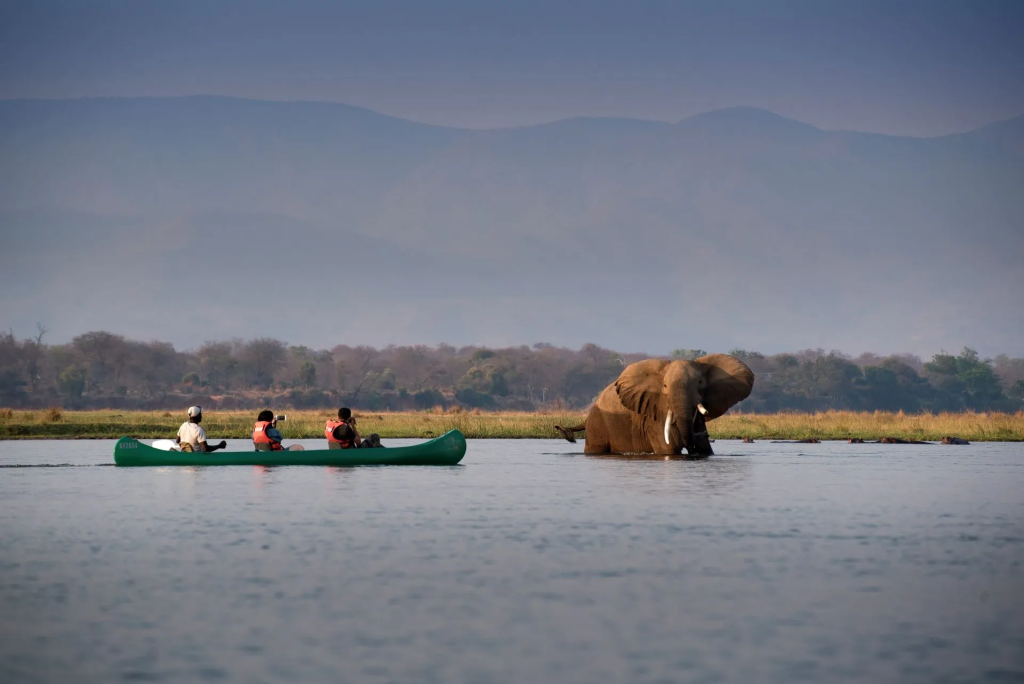
The Best Safari Excursions in Africa (and Where to Find Them) Safari, Reimagined For many, the idea of safari begins and ends with a game drive: lions in the grass, leopards in trees, and your ranger expertly tracking paw prints from behind the wheel. And while that remains iconic for good reason, the truth is, there’s so much more to experience in Africa beyond the vehicle. Today’s luxury travellers are seeking more than sightings. They’re craving depth, perspective, and moments that connect them to Africa’s landscapes, people, and rhythm in a way that feels personal and unfiltered. Think: the hush of a mokoro ride at dawn, a quiet walk beside a Maasai elder, or drifting silently past hippos from the seat of a canoe. In this guide, we share the most unforgettable safari excursions in Africa—and exactly where to go for the best of each. Whether you’re planning your first trip or your fifth, these experiences go beyond the expected and into something far more magical. Walking Safaris – Get Closer to the Wild There’s something quietly thrilling about stepping out of the vehicle and into the bush. No engine, no barrier- just your senses, your guide, and the slow rhythm of the wilderness. Walking safaris are about presence:noticing the spoor in the sand, the alarm calls of birds, the scent of crushed wild sage beneath your boots.It’s Africa, felt in your bones. Here are three of the best places to experience walking safaris, each offering a different flavour of wild: 1. Madikwe, South Africa: Malaria-free and majestic In South Africa’s Madikwe Game Reserve, guided bush walks offer a gentle yet immersive way to experience a Big 5 wilderness. It’s one of the country’s lesser-known gems – malaria-free, beautifully scenic, and ideal for families or first-timers wanting a soft introduction to walking safaris. Walks are led by experienced guides who focus on the smaller, fascinating details – tracks, insects, medicinal plants, and birdlife – while keeping an eye out for larger game. And after your walk? Return to a chilled drink, a private plunge pool, and a fire crackling at your luxury lodge. 2. Okavango Delta, Botswana: The classic Mokoro & Walk combo In the Okavango Delta, walking safaris are often paired with another deeply peaceful experience: themokoro. These traditional dugout canoes glide silently through reed-lined channels, before dropping you off for a guided bush walk on one of the Delta’s islands. This is walking safari in its purest form – wild, remote, and wonderfully off-grid. With a top professional guide at your side, you might follow elephant paths, observe lechwe in the marshes, or pause under a baobab tree and simply listen to the pulse of the wild. 3. Masai Conservancies, Kenya: Walk the land with its keepers For a walking safari rich in story, culture, and meaning, there’s nothing quite like a guided walk with the Masai in Kenya’s private conservancies. In places like the Porini Camps, you can explore the savannah alongside local Masai guides who know every plant, sound, and track like a second language. These walks are less about adrenaline, more about connection – to the land, to tradition, and to your place within it. It’s a grounding, graceful way to begin or end a safari day – and one that many travellers remember most. Cultural Encounters – Meet Africa’s Storytellers A safari isn’t just about wildlife – it’s about place, people, and perspective. For travellers who want to understand the stories behind the landscapes, cultural experiences offer a meaningful layer to any African adventure. These aren’t staged performances or quick photo ops – they’re respectful, community-based encounters that bring you into the heart of local life. Here are two of the most enriching places to connect with Africa’s people in ways that are authentic, engaging, and deeply human: 1. Hwange, Zimbabwe: Community Tourism with heart At the edge of Zimbabwe’s largest national park, Hwange, lies a network of vibrant communities that have coexisted with wildlife for generations. Several safari lodges here (particularly those involved with initiatives like Children in the Wilderness or Imvelo’s community programmes) offer genuine opportunities to engage with local villages, schools, and conservation projects. Guests might visit a rural homestead, learn about local traditions, or meet young learners at a nearby school supported by tourism. It’s a window into daily life – and a reminder of how sustainable travel can uplift and empower. 2. Masai Communities, Kenya: Stories shared in the shade The image of the Masai warrior is iconic, but what’s often missing is the depth behind the symbolism. In Kenya, especially when travelling with trusted partners like Gamewatchers Safaris and Porini Camps, cultural visits are not a side activity – they’re an integral part of your stay. Spend time with Masai elders, hear stories passed through generations, learn about beadwork, traditional medicine, or rites of passage. Many conservancies are co-managed with Masai communities, so every conversation, every walk, supports land stewardship and economic resilience. WHY IT MATTERS These cultural encounters aren’t about ticking a box – they’re about listening, learning, and acknowledging that the people of Africa are every bit as integral to the safari as the wildlife. For many travellers, it’s these conversations that linger long after the last game drive. Game Drives – The Classics, Perfected Game drives are the beating heart of most safaris – and for good reason. There’s something undeniably thrilling about cresting a ridge in the early morning light and locking eyes with a lion, or pulling up beside a herd of elephants quietly feeding under an acacia tree. But not all game drives are created equal. At Hassle-free Africa, we guide travellers to destinations where game drives are more than a checklist -they’re immersive, personal, and often spectacularly scenic. These three parks elevate the traditional safari drive into something unforgettable: 1. Mana Pools, Zimbabwe: Wild, free, and off-the-grid In Mana Pools, game drives are anything but conventional. Here, experienced guides are allowed to drive off-road and approach game on foot, offering