


Botswana
BOTSWANA
“land of the Tswana”, named for the Tswana people who make up the majority of the population.
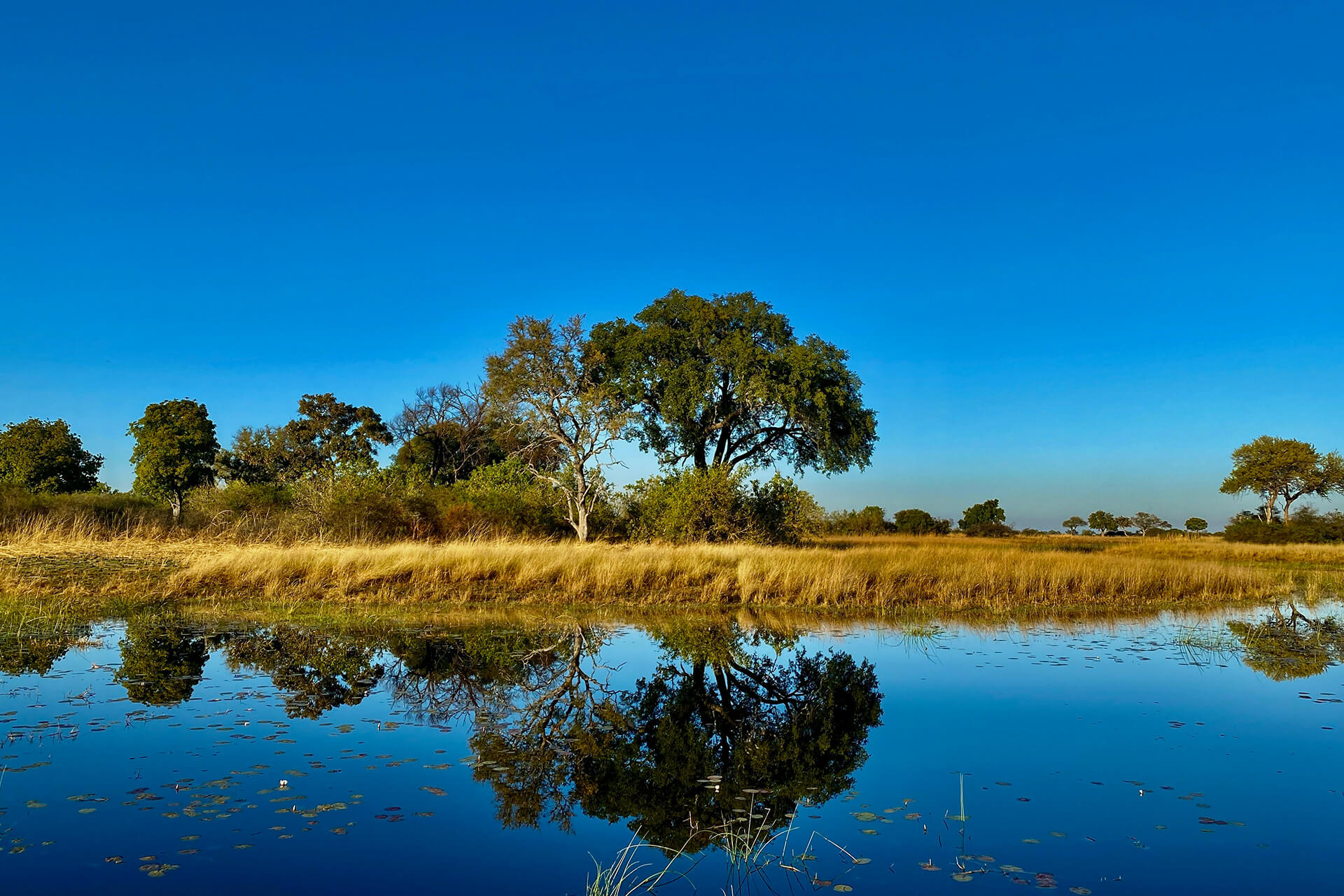
Botswana is a land of water and wilderness: the Okavango Delta fans out into the Kalahari sands, creating a unique inland wetland, while further north the Chobe River draws huge herds of elephants and buffalo. Low‑impact, small‑camp safaris and vast protected areas make for some of Africa’s most exclusive wildlife experiences.

NATIONAL FLAG
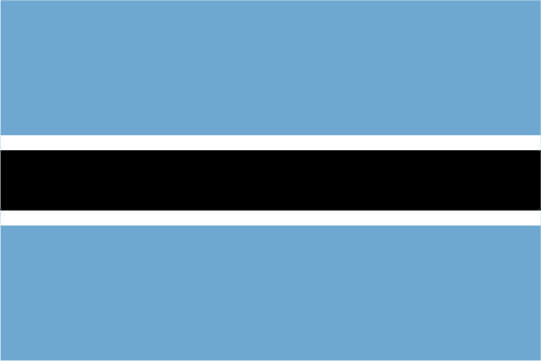
A light blue field with a bold horizontal black stripe bordered by white – often said to represent water and racial harmony.
NATIONAL FLOWER
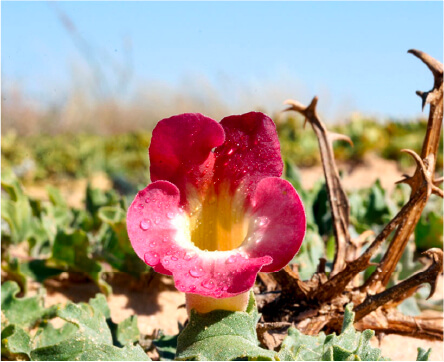
Sengaparile (Devil’s Claw) – a hardy desert plant recognised as Botswana’s national flower, known for its medicinal and cultural uses.
NATIONAL ANIMAL
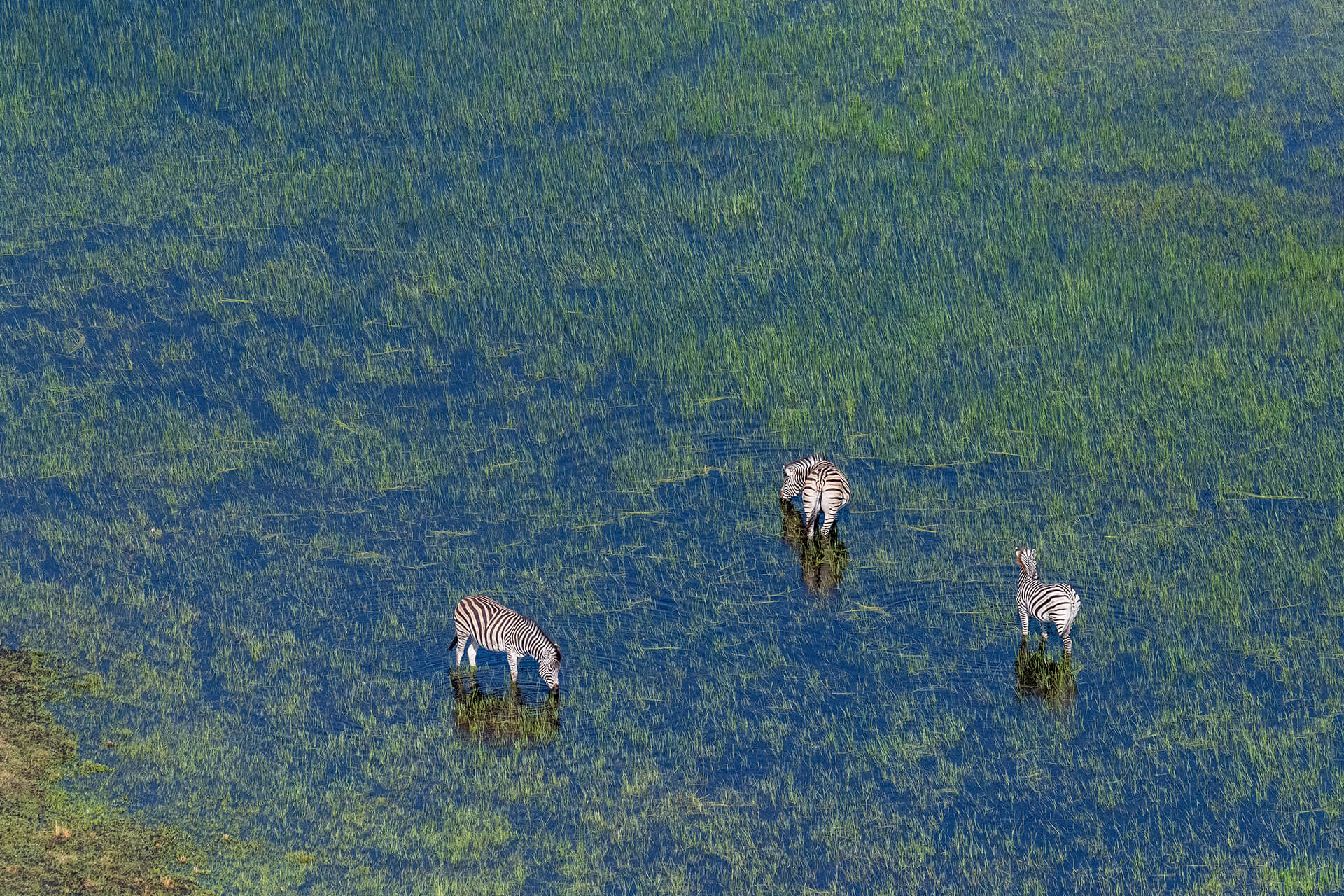
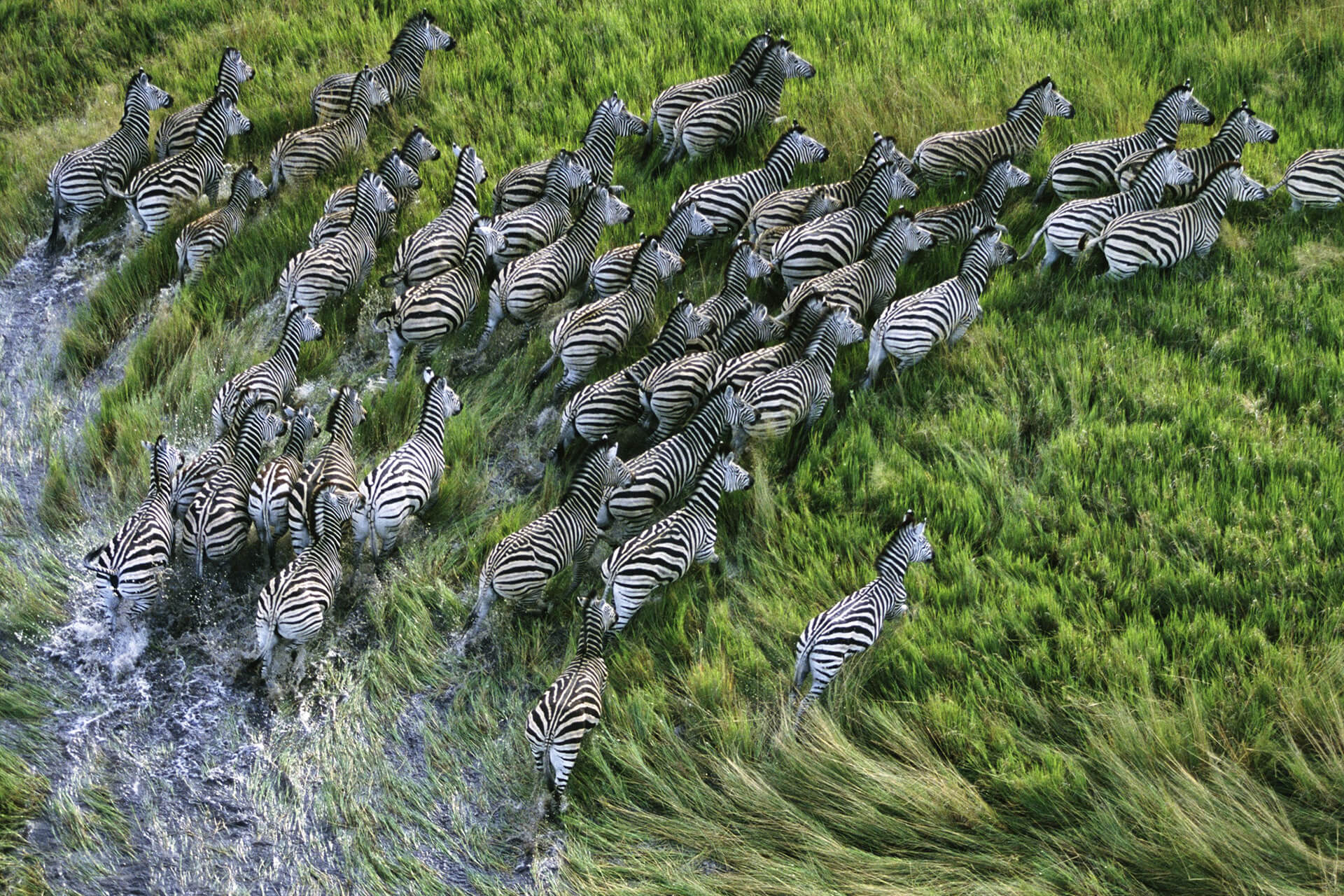
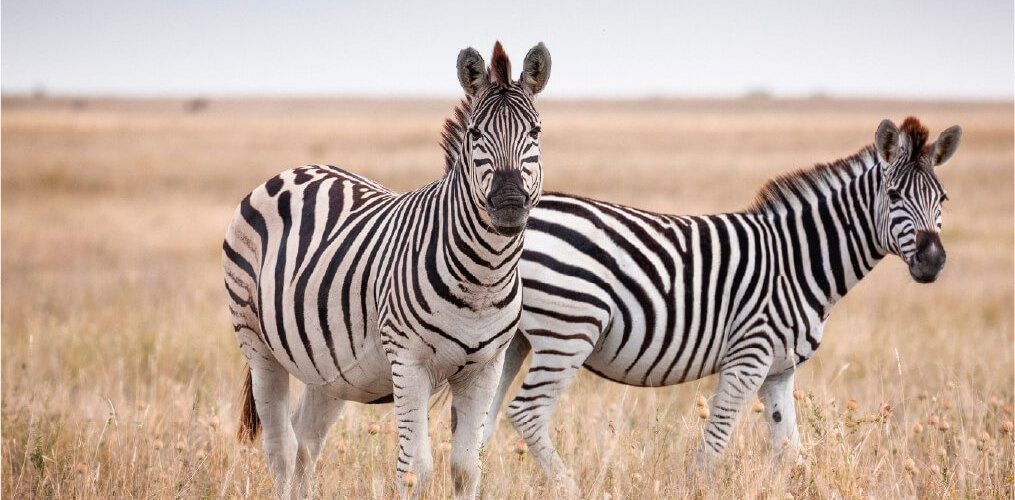
Zebra – symbolising harmony and the blending of different peoples, as well as echoing the black‑and‑white stripes of the national flag.
CAPITAL GABORONE
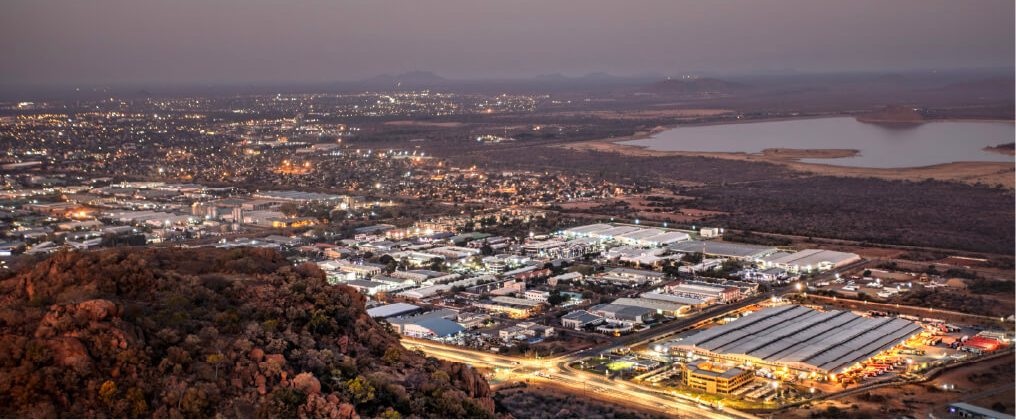
A modern, expanding city in the southeast, close to the South African border, and the country’s administrative and commercial centre.
NATIONAL FLAG
A light blue field with a bold horizontal black stripe bordered by white – often said to represent water and racial harmony.
NATIONAL FLOWER
Sengaparile (Devil’s Claw) – a hardy desert plant recognised as Botswana’s national flower, known for its medicinal and cultural uses.
NATIONAL ANIMAL
Zebra – symbolising harmony and the blending of different peoples, as well as echoing the black‑and‑white stripes of the national flag.
CAPITAL GABORONE
A modern, expanding city in the southeast, close to the South African border, and the country’s administrative and commercial centre.
Best Places
OKAVANGO DELTA
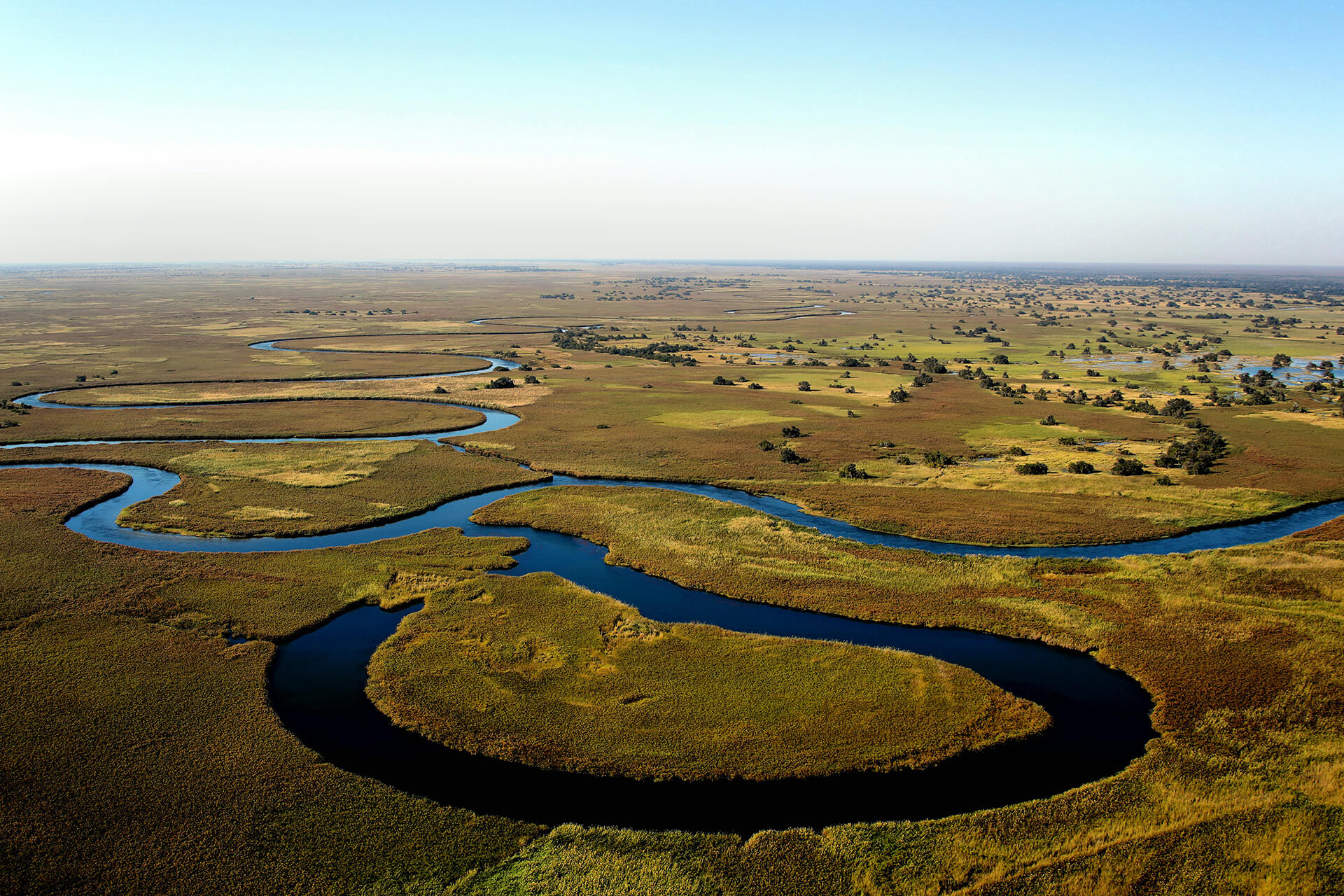
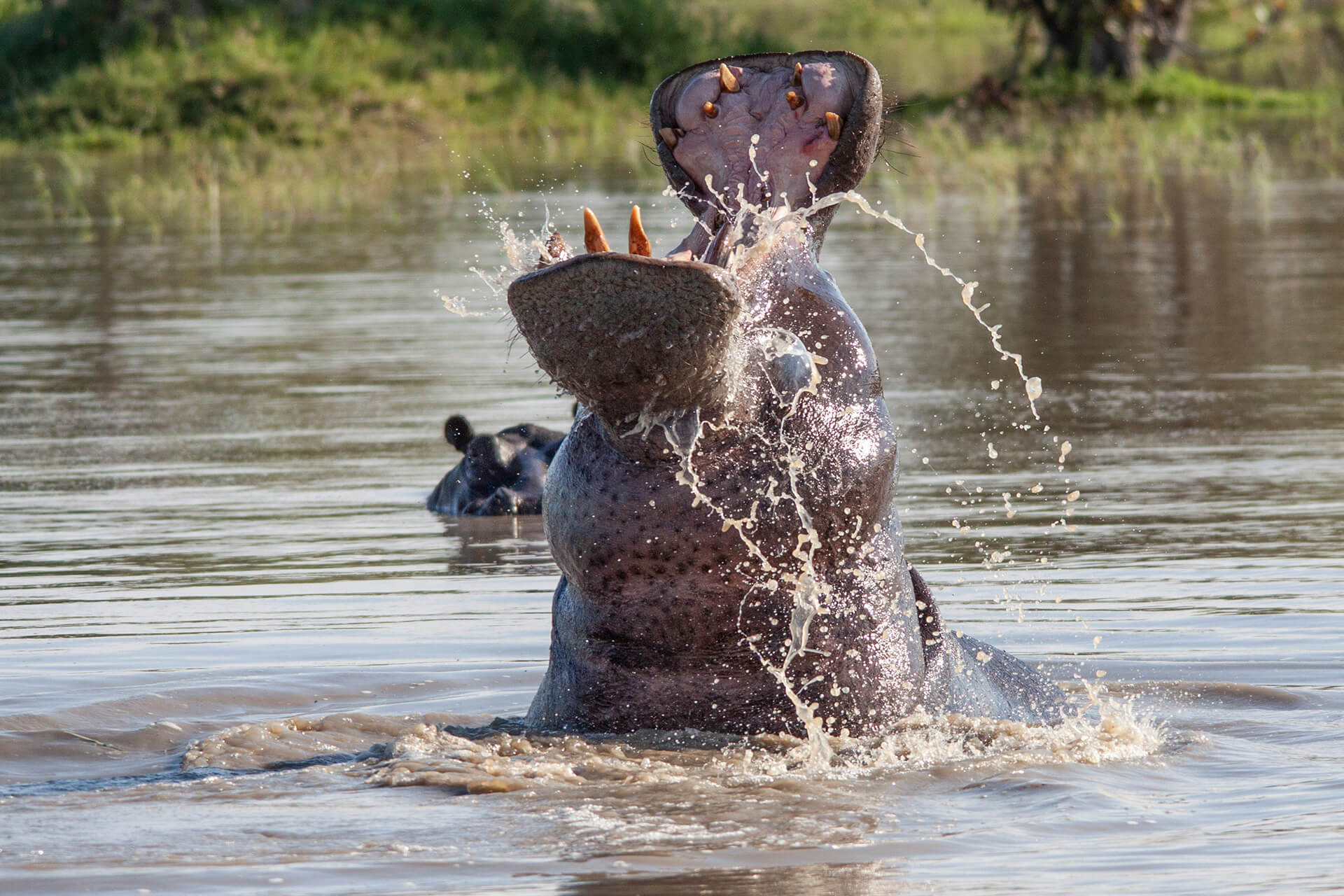
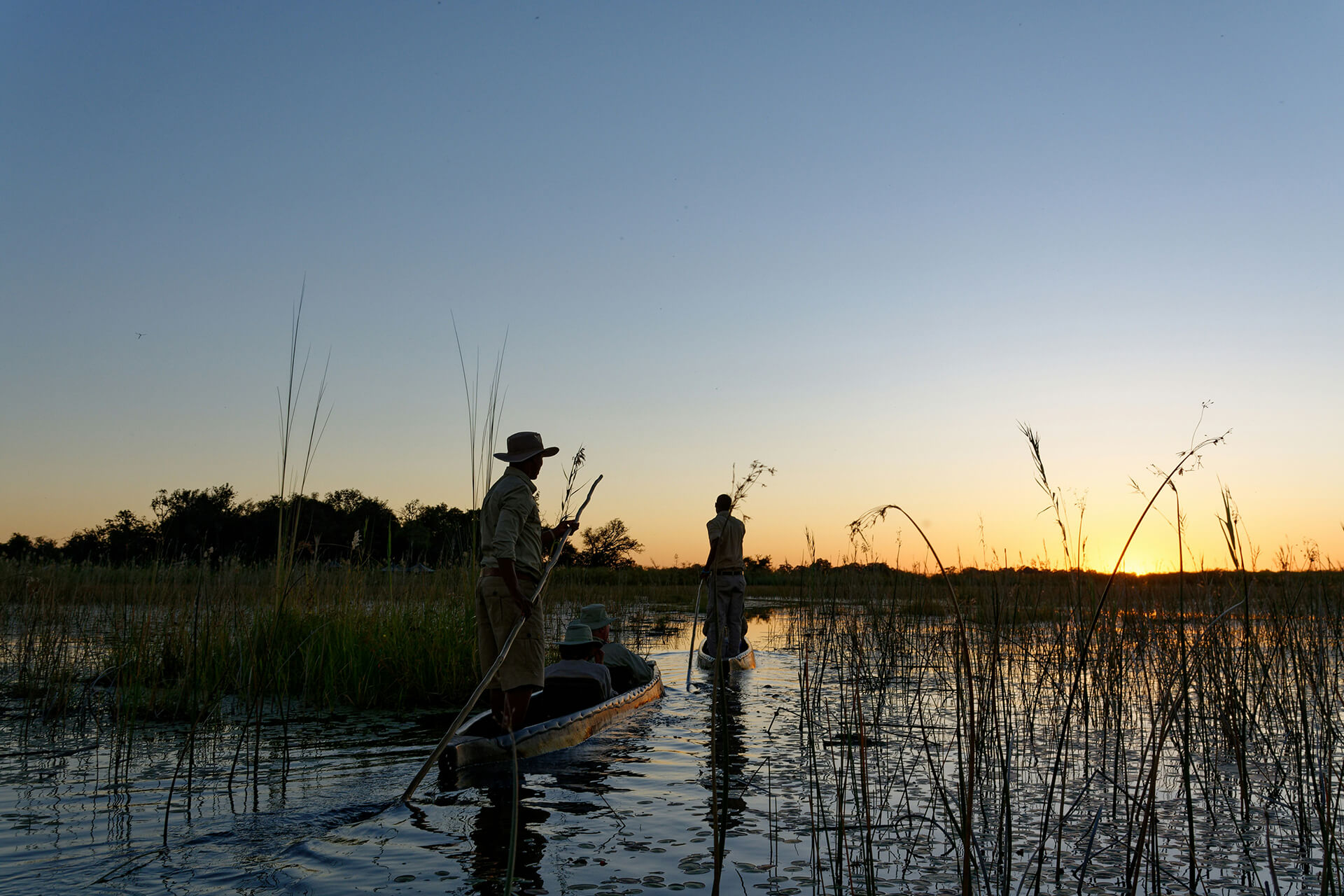
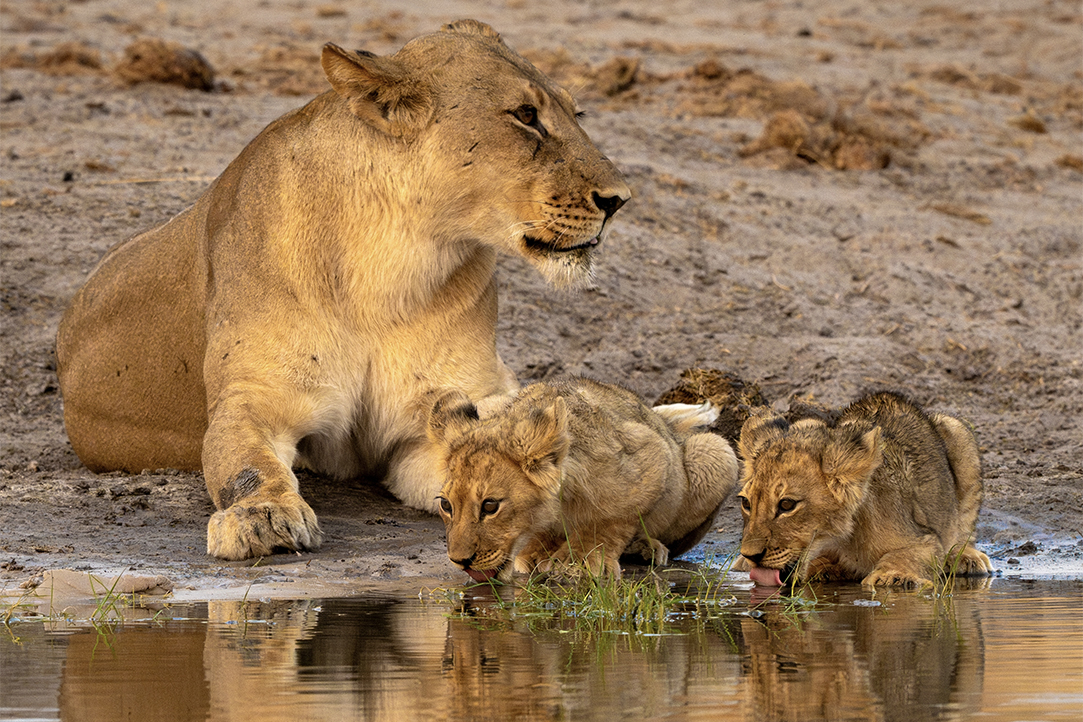
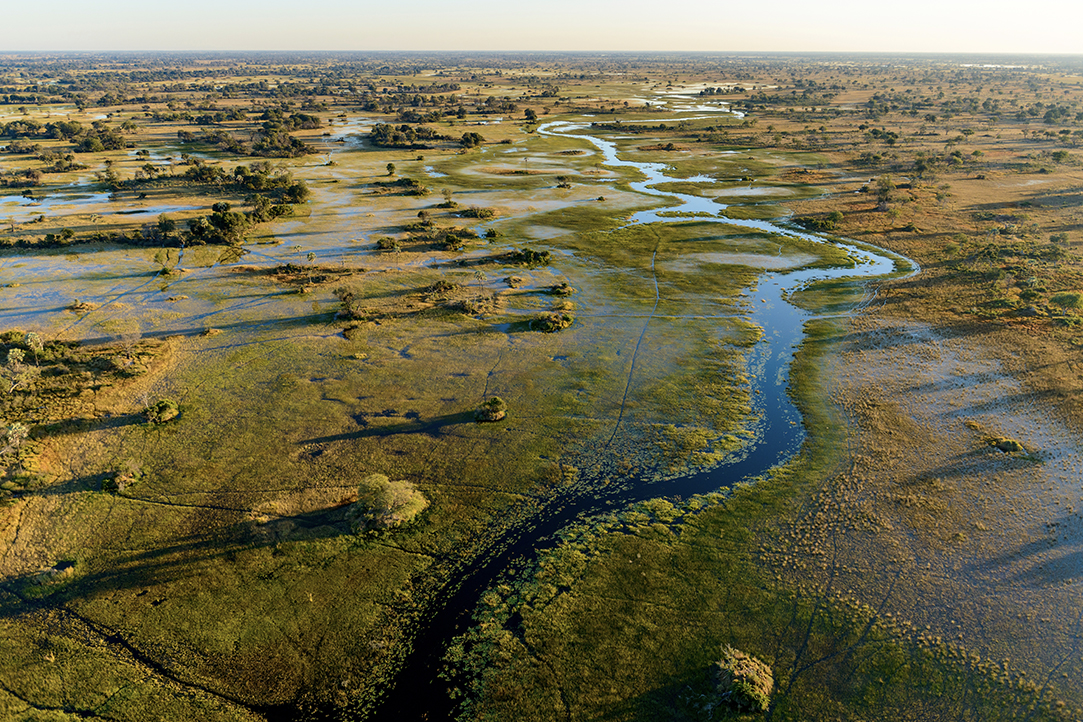
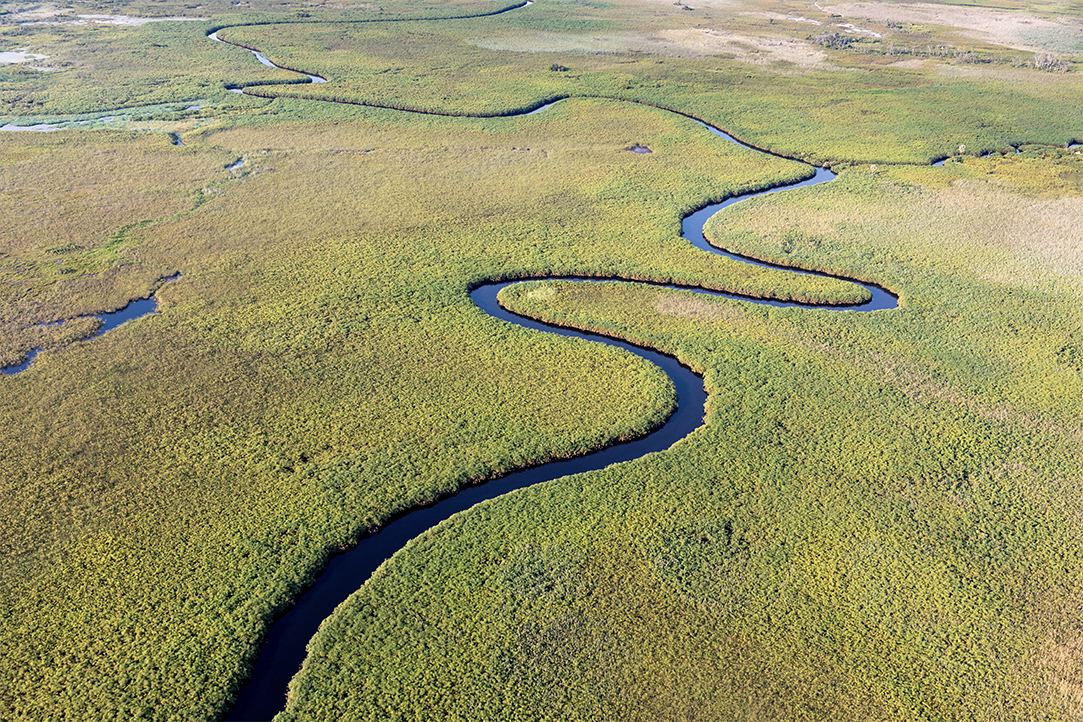
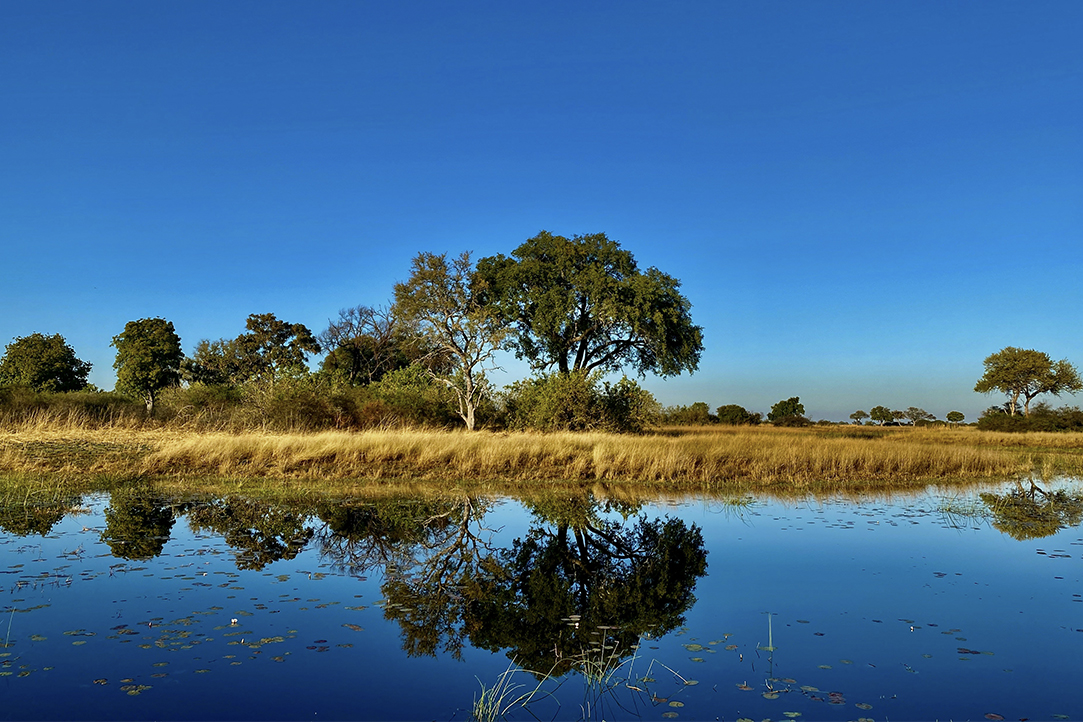
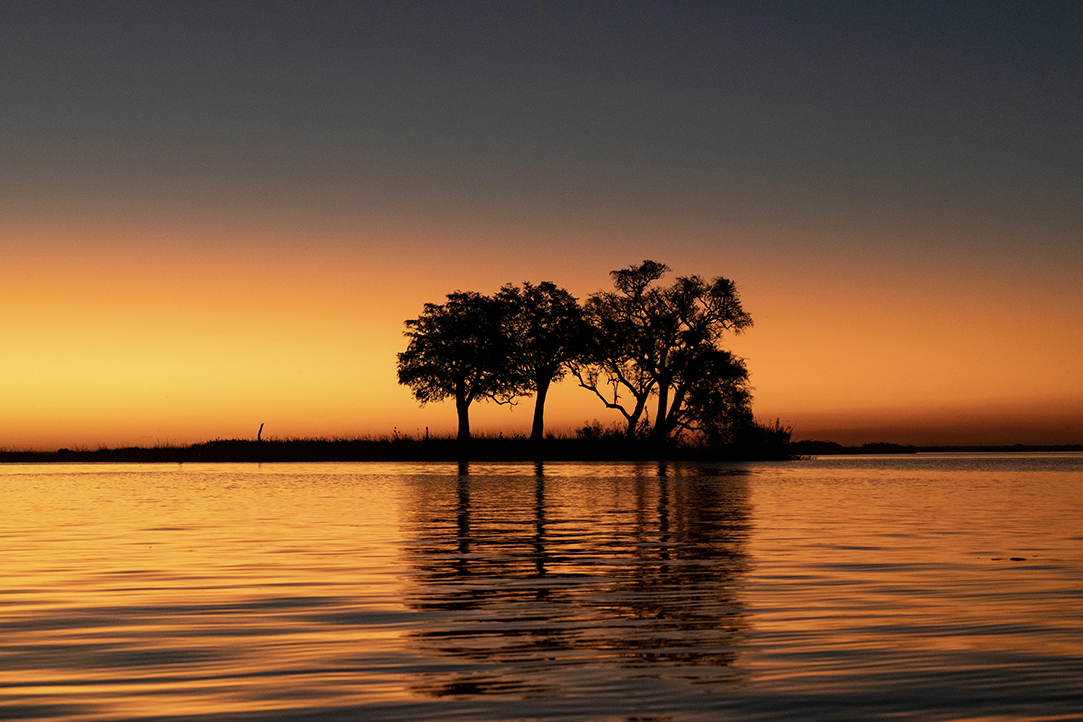
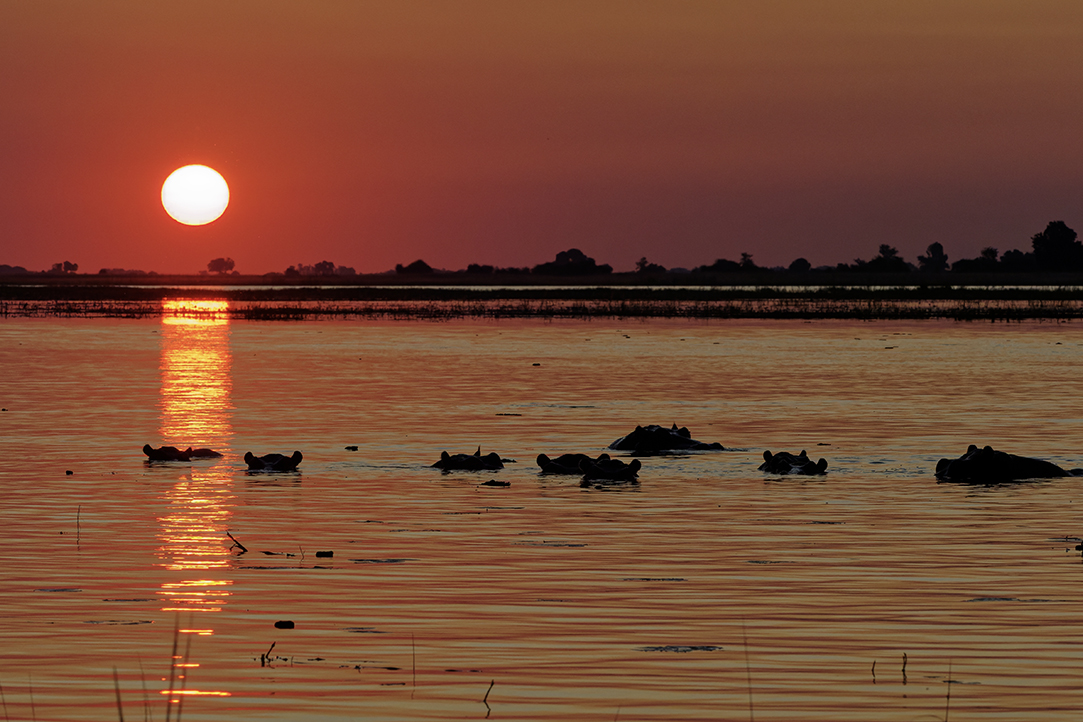
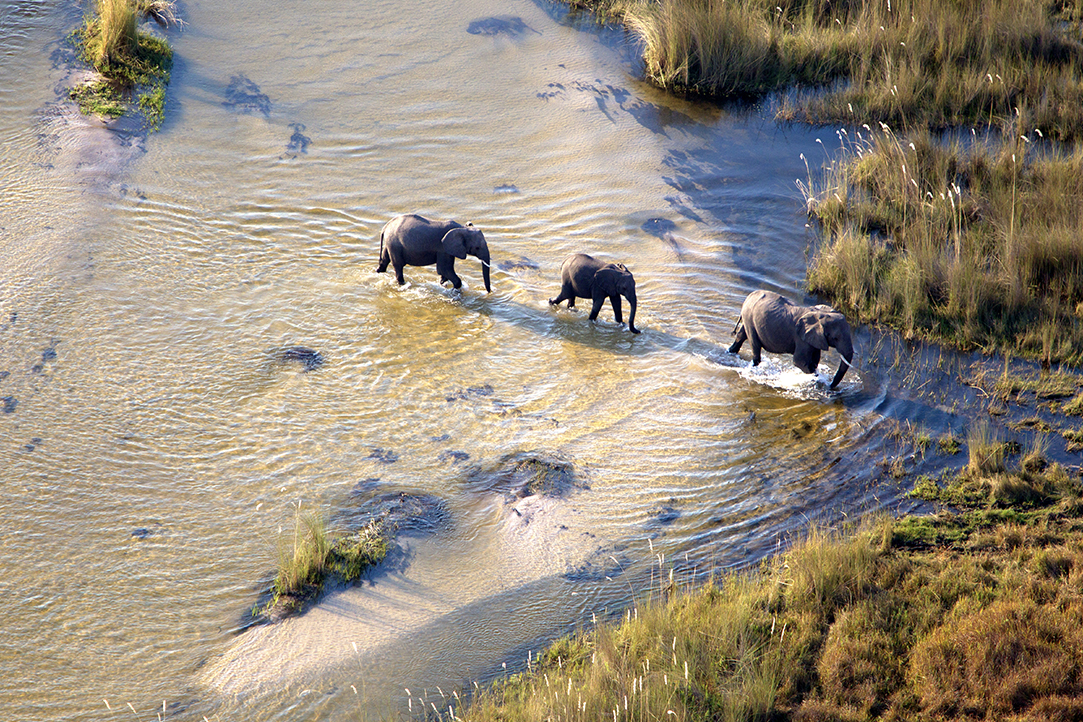
A UNESCO World Heritage Site and one of the world’s largest inland deltas, the Okavango is where the desert comes alive. Each year, floodwaters from Angola transform this arid landscape into a maze of lagoons and islands – a thriving oasis for elephants, lions, hippos, and over 400 bird species. Drift silently through the reeds on a traditional mokoro canoe and watch as life unfolds at water level – calm, wild, and utterly captivating.
CHOBE NATIONAL PARK
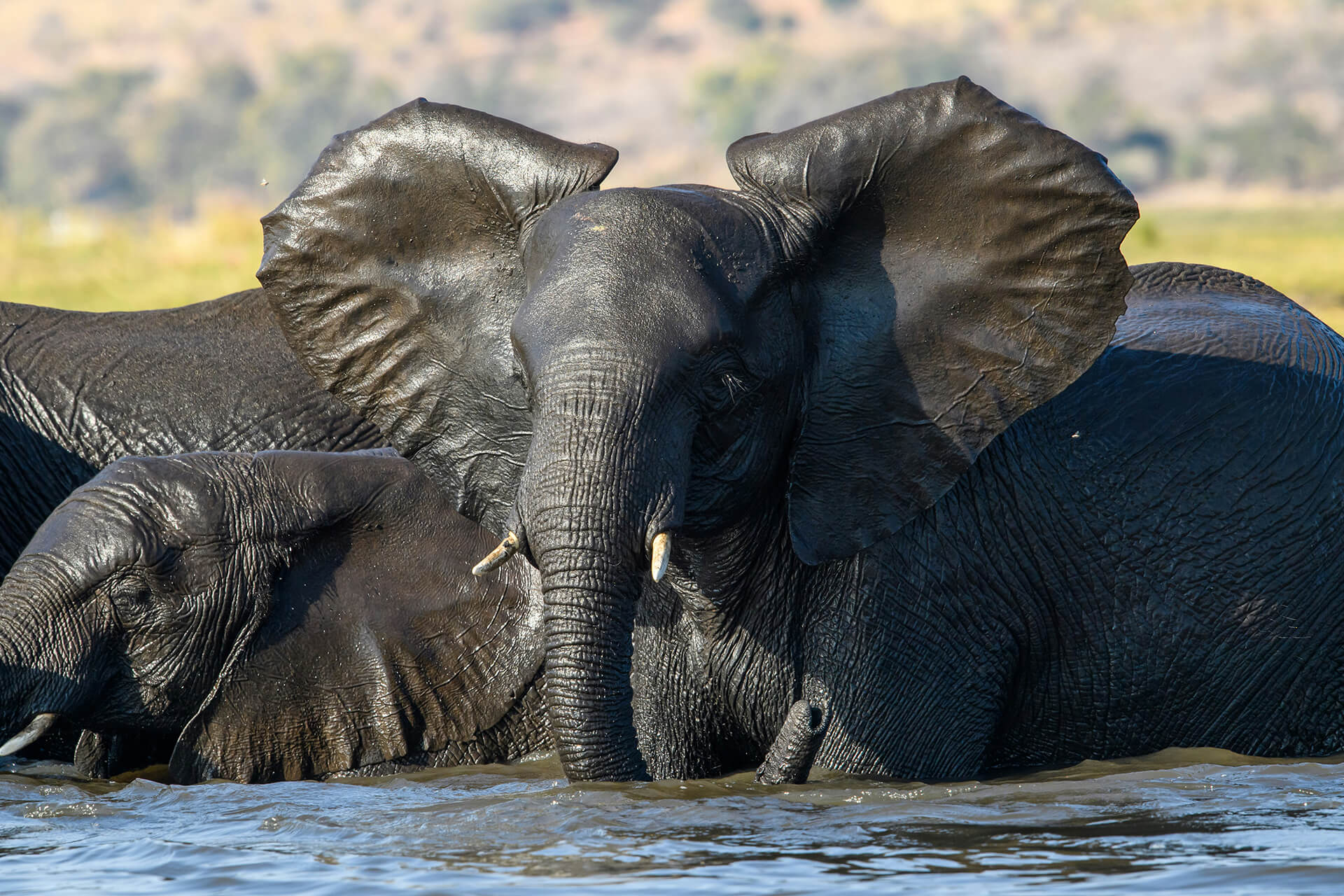
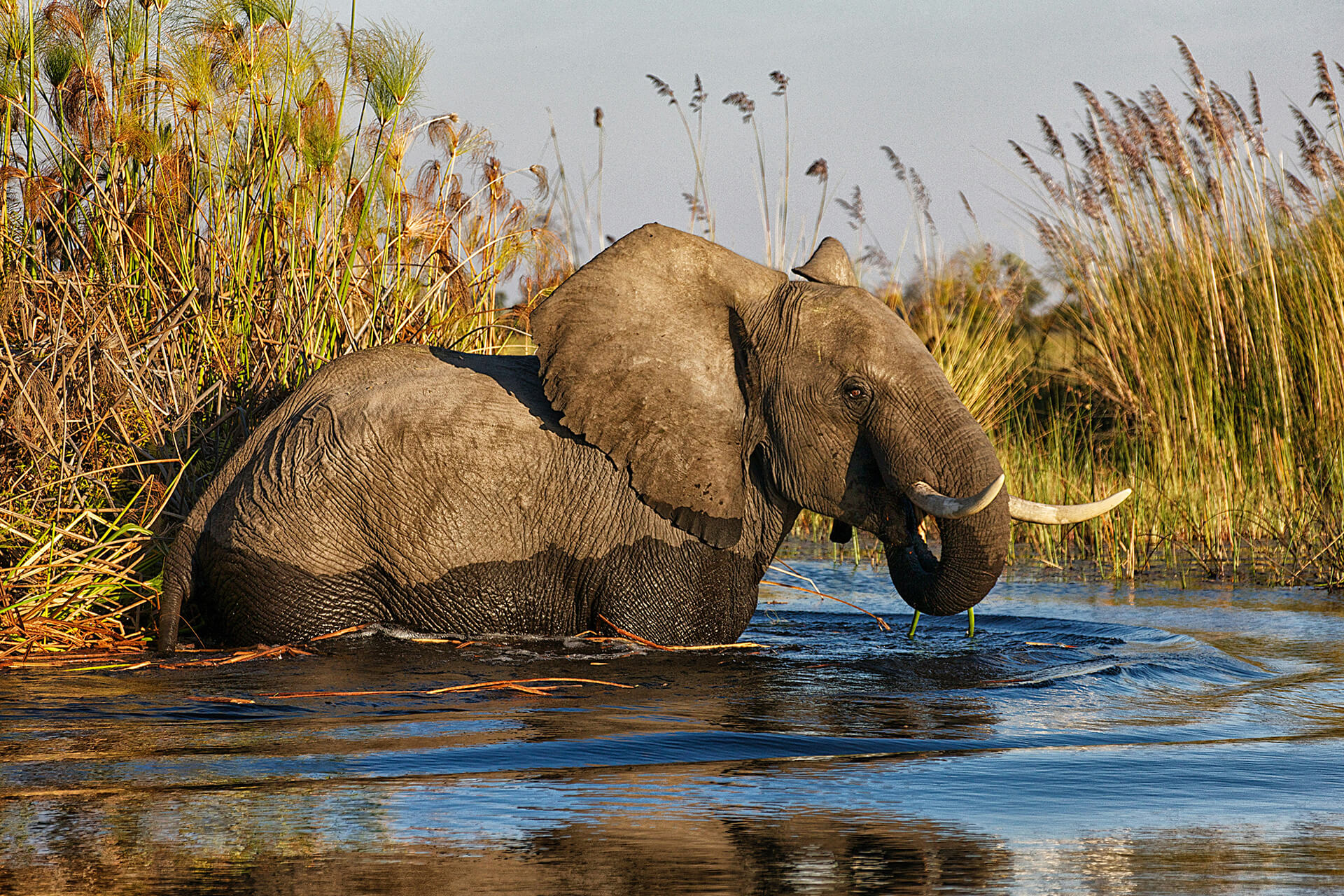
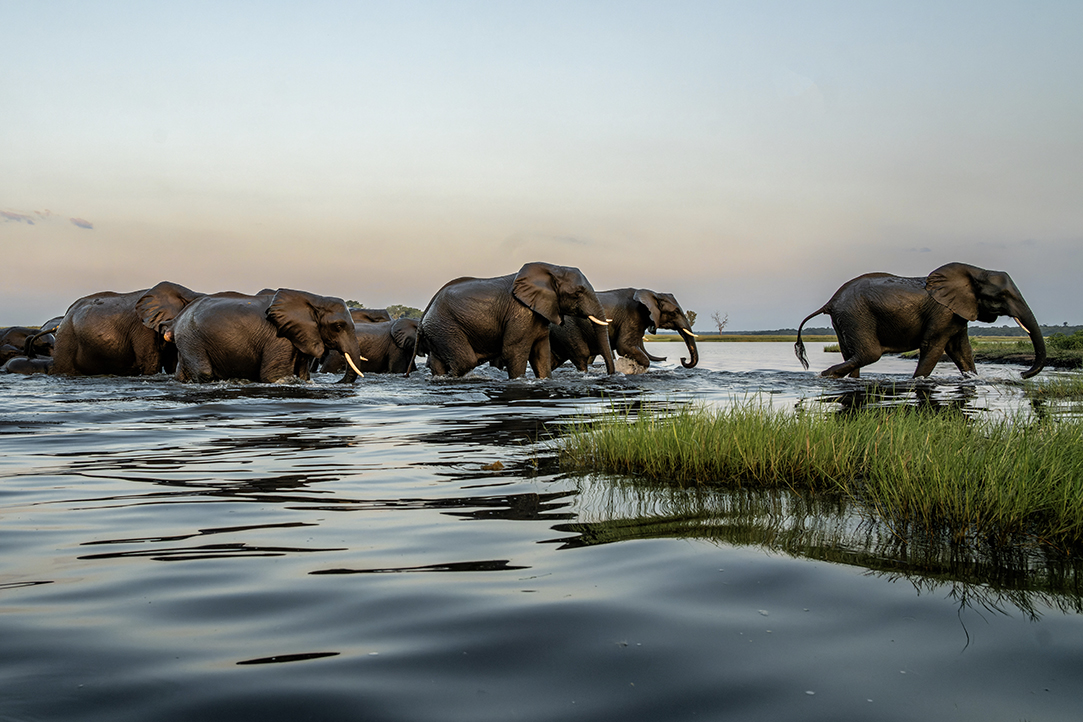
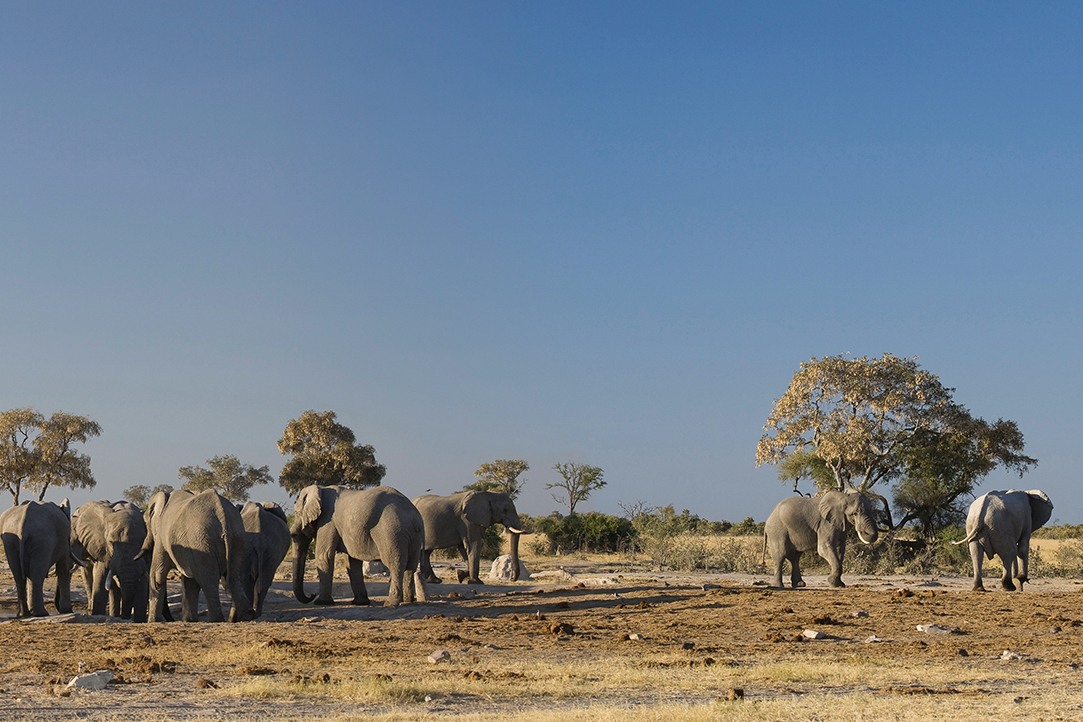
Known as “the land of giants”, Chobe is famous for its immense elephant herds and some of the densest wildlife populations in Africa. The Chobe River forms the park’s lifeline, drawing hundreds of animals to its banks during the dry season. From boat safaris at sunset to early morning game drives, this is classic Africa – raw, untamed, and unforgettable.
THE KALAHARI
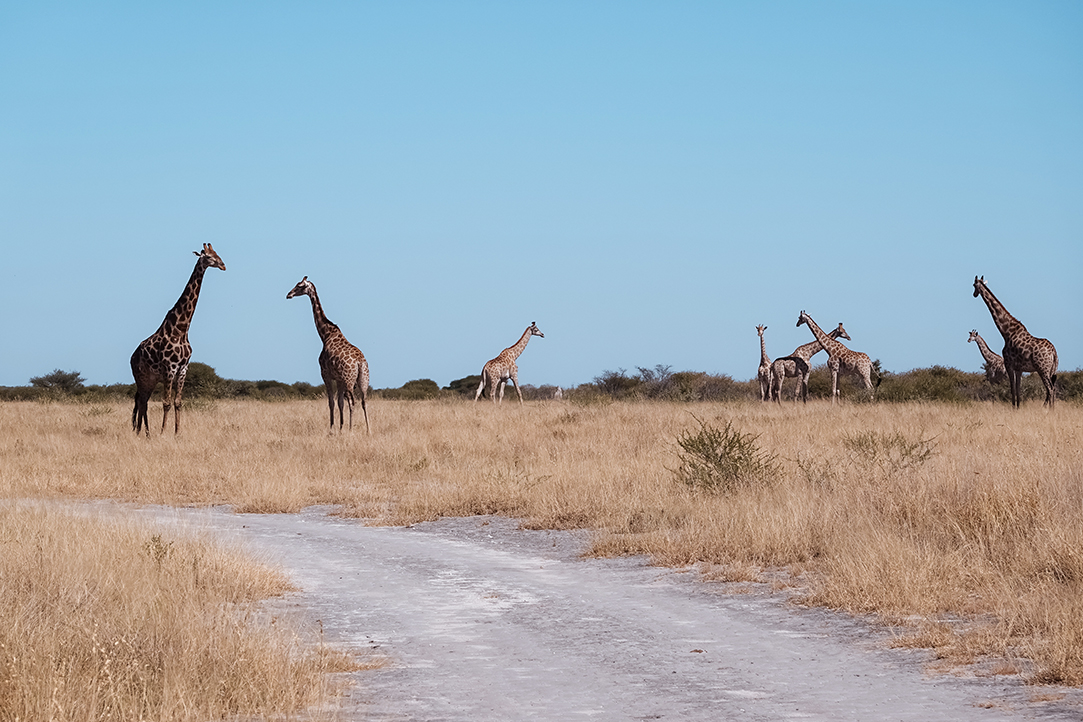
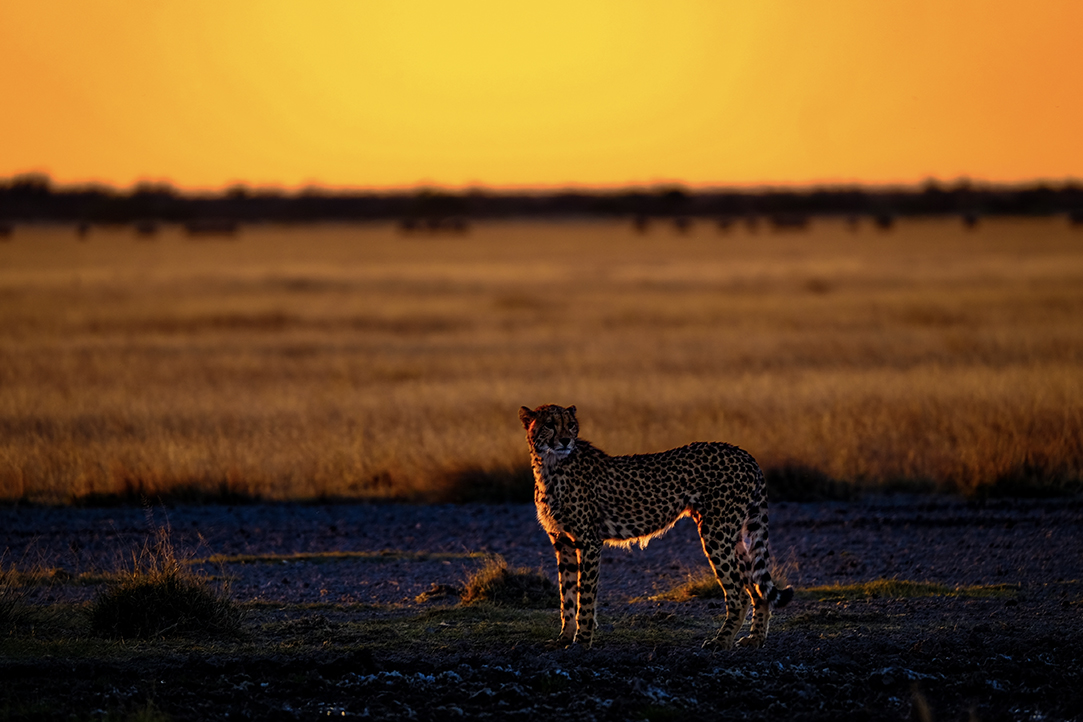
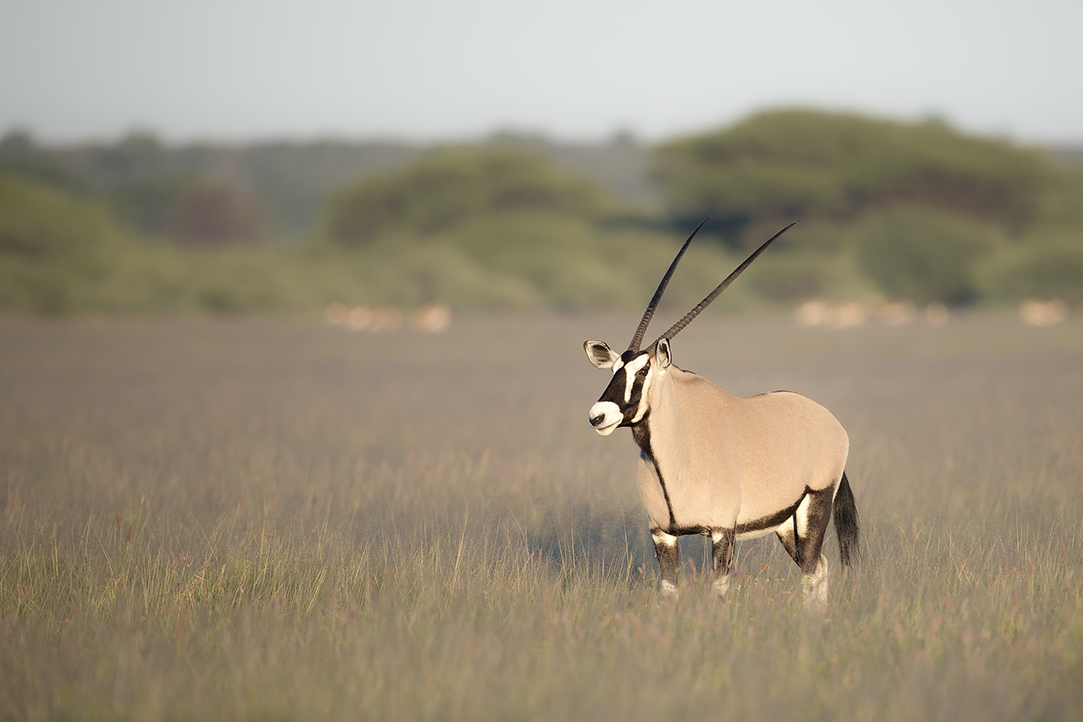
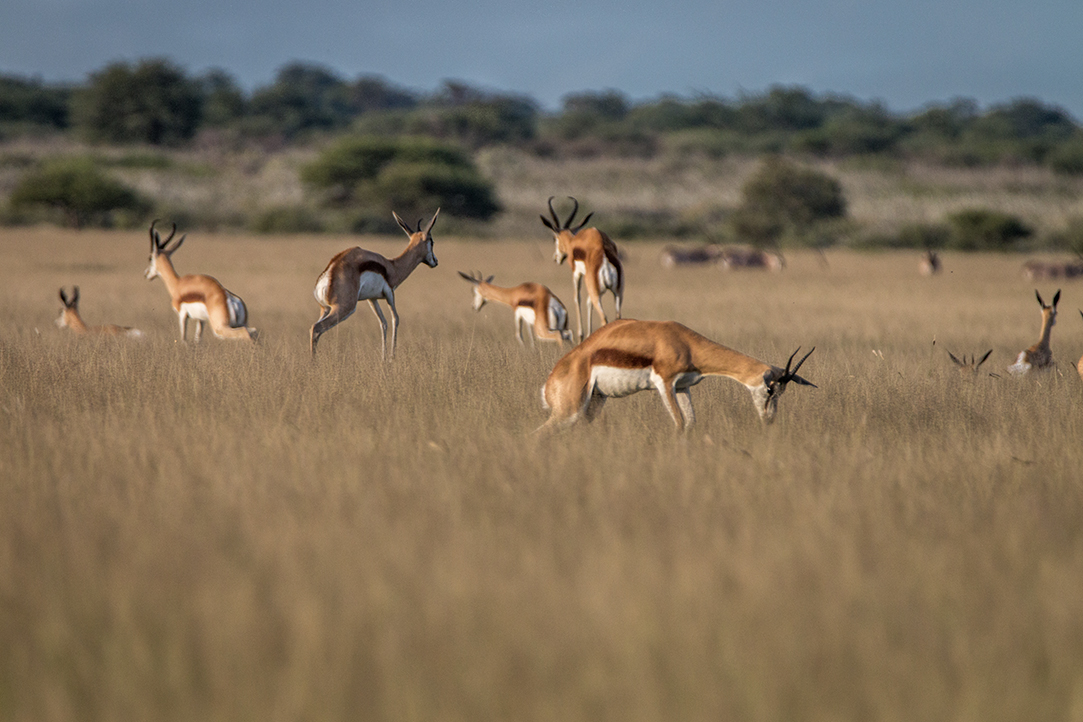
Vast and otherworldly, the Kalahari Desert covers much of Botswana’s heart. In the Central Kalahari Game Reserve, fossil riverbeds and sweeping grasslands tell stories of survival. This is the home of the San people – Africa’s First People – whose lives have long mirrored the rhythm of the land. Come the rains, wildflowers burst through the dust and springbok shimmer on the horizon, proving that even the desert blooms.
MAKGADIKGADI PANS
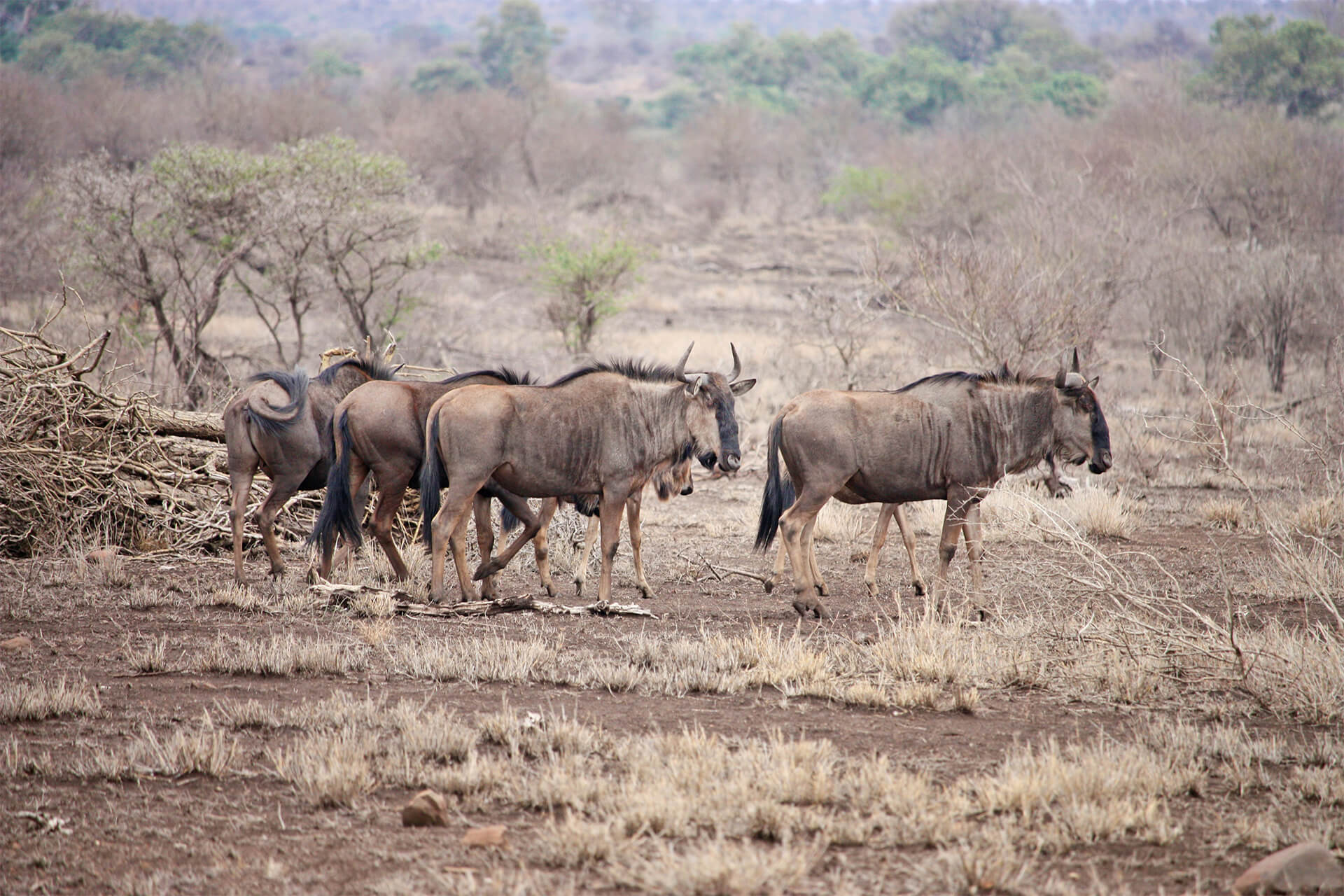
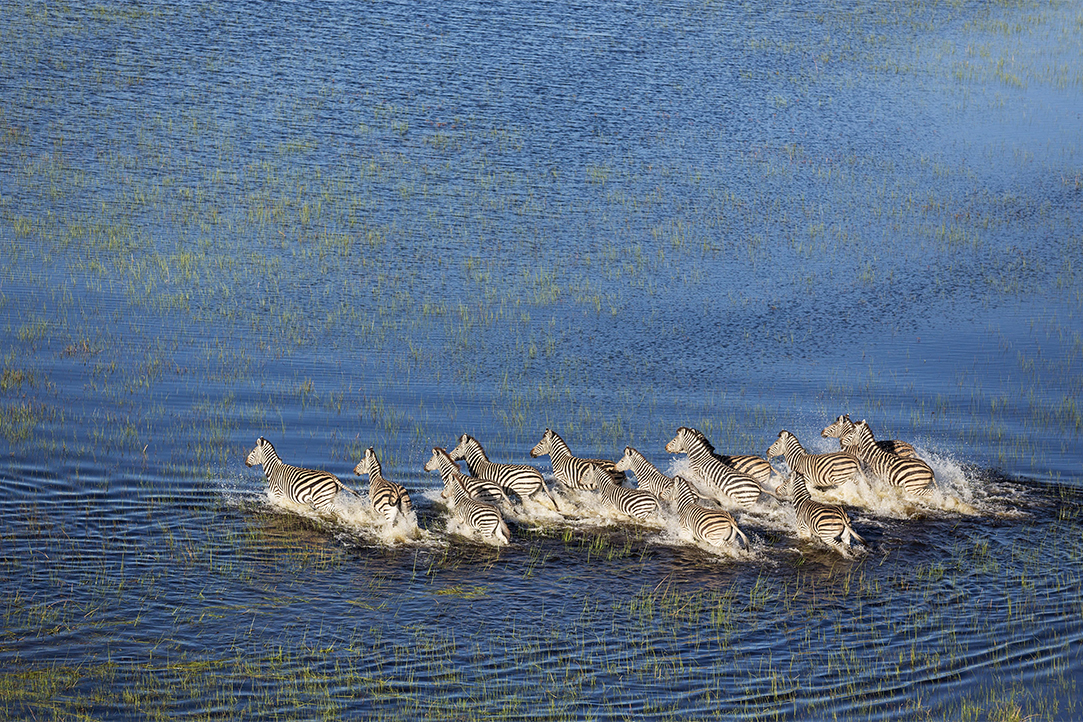
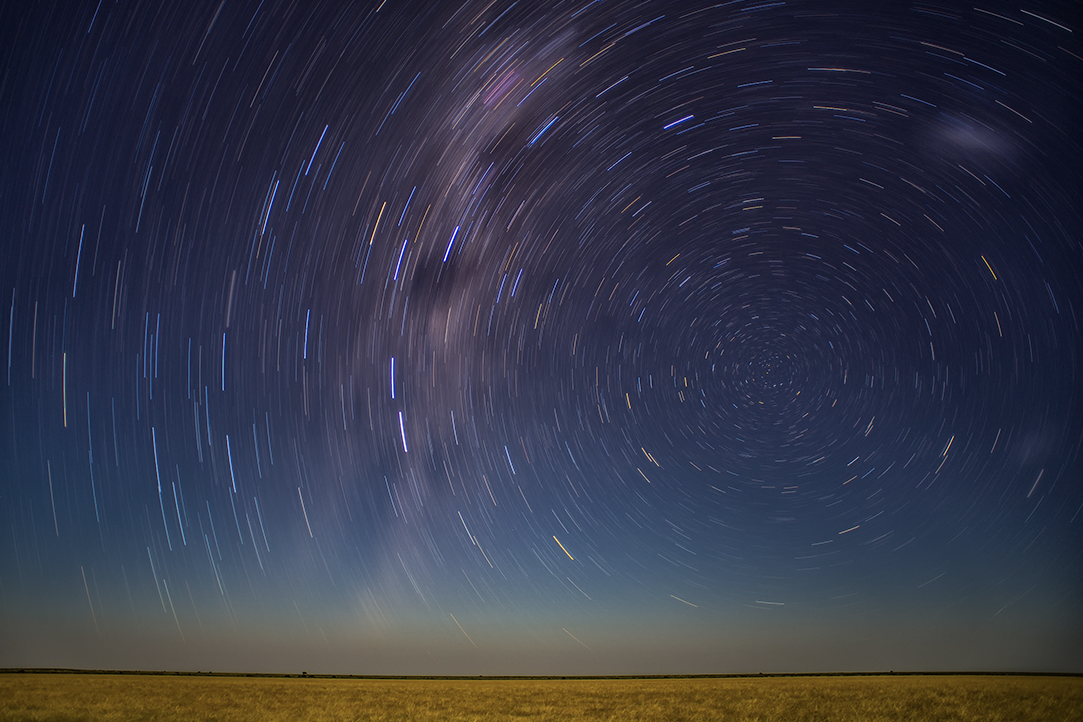
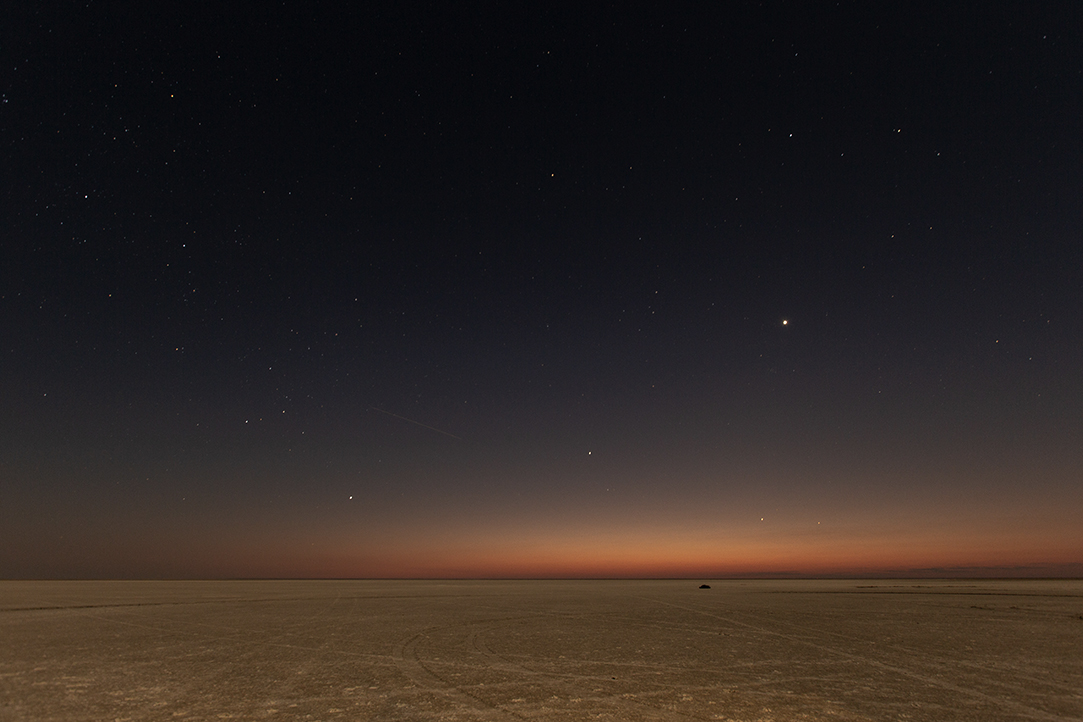
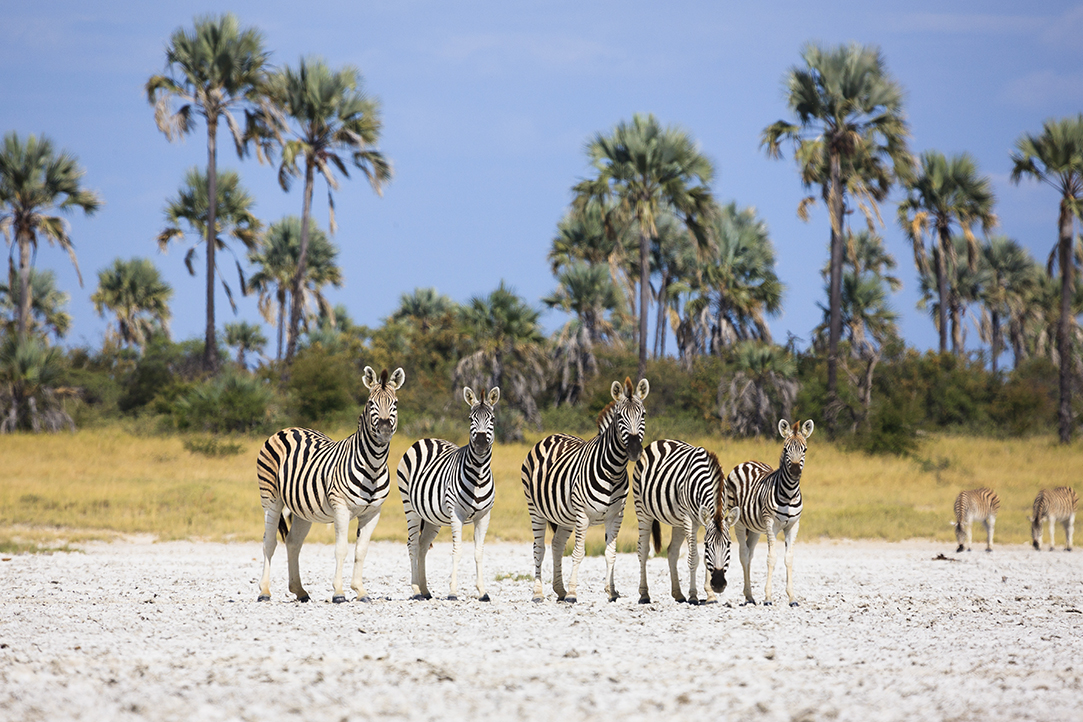
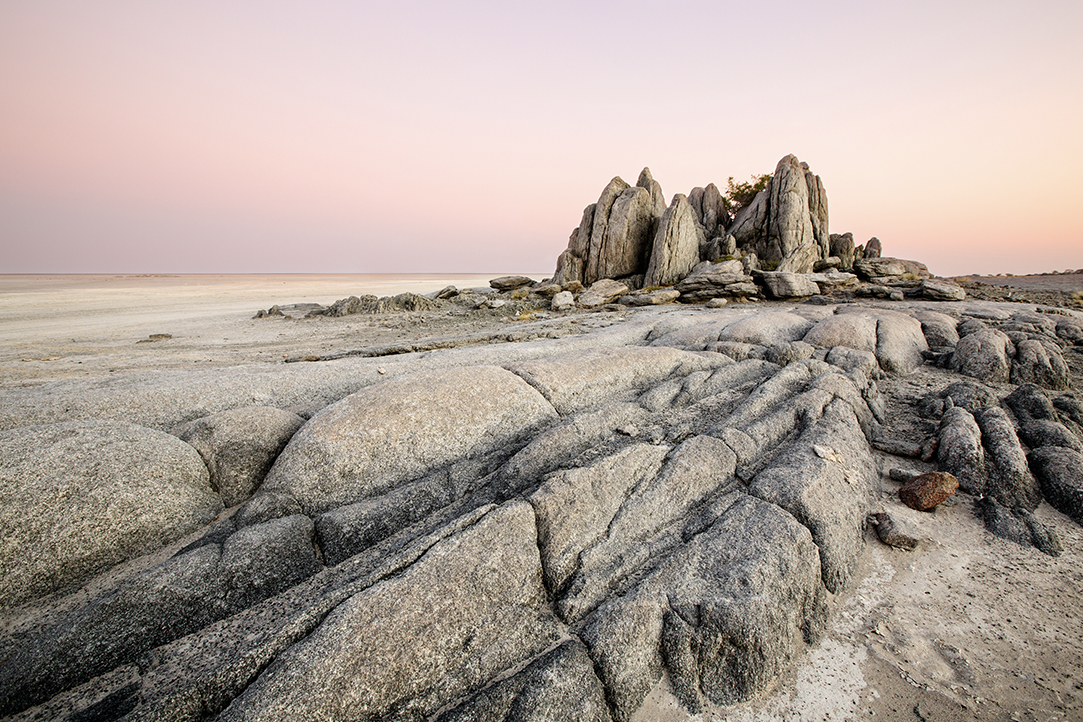
An endless expanse of white salt flats that glimmer under the sun, the Makgadikgadi Pans are hauntingly beautiful. During the rains, they transform into shallow lakes that draw tens of thousands of zebra and wildebeest – the second-largest migration in Africa. When the water recedes, silence returns, stars ignite the sky, and ancient baobabs stand sentinel over a land that feels almost lunar.
Best Places
OKAVANGO DELTA
A UNESCO World Heritage Site and one of the world’s largest inland deltas, the Okavango is where the desert comes alive. Each year, floodwaters from Angola transform this arid landscape into a maze of lagoons and islands – a thriving oasis for elephants, lions, hippos, and over 400 bird species. Drift silently through the reeds on a traditional mokoro canoe and watch as life unfolds at water level – calm, wild, and utterly captivating.
CHOBE NATIONAL PARK
Known as “the land of giants”, Chobe is famous for its immense elephant herds and some of the densest wildlife populations in Africa. The Chobe River forms the park’s lifeline, drawing hundreds of animals to its banks during the dry season. From boat safaris at sunset to early morning game drives, this is classic Africa – raw, untamed, and unforgettable.
THE KALAHARI
Vast and otherworldly, the Kalahari Desert covers much of Botswana’s heart. In the Central Kalahari Game Reserve, fossil riverbeds and sweeping grasslands tell stories of survival. This is the home of the San people – Africa’s First People – whose lives have long mirrored the rhythm of the land. Come the rains, wildflowers burst through the dust and springbok shimmer on the horizon, proving that even the desert blooms.
MAKGADIKGADI PANS
An endless expanse of white salt flats that glimmer under the sun, the Makgadikgadi Pans are hauntingly beautiful. During the rains, they transform into shallow lakes that draw tens of thousands of zebra and wildebeest – the second-largest migration in Africa. When the water recedes, silence returns, stars ignite the sky, and ancient baobabs stand sentinel over a land that feels almost lunar.
BEST TIME TO VISIT
Botswana is a year-round destination, but its magic shifts with the seasons.
May to October (Dry Season)
The best time for safaris. Wildlife gathers along rivers and waterholes, grass is short, and the air is clear. The Delta’s waters are at their fullest from June to August – perfect for mokoro trips.
November to April (Green Season)
The bush turns lush and vibrant after the rains. Birdlife is exceptional, young animals abound, and dramatic skies set the stage for photographers.
Epic Experience
A MOKORO ON THE DELTA
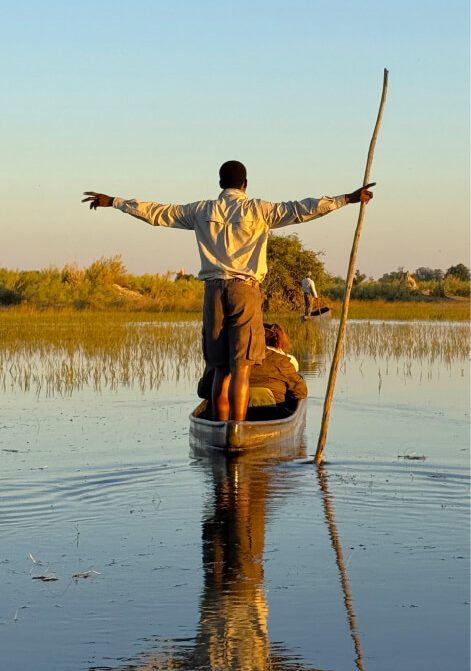
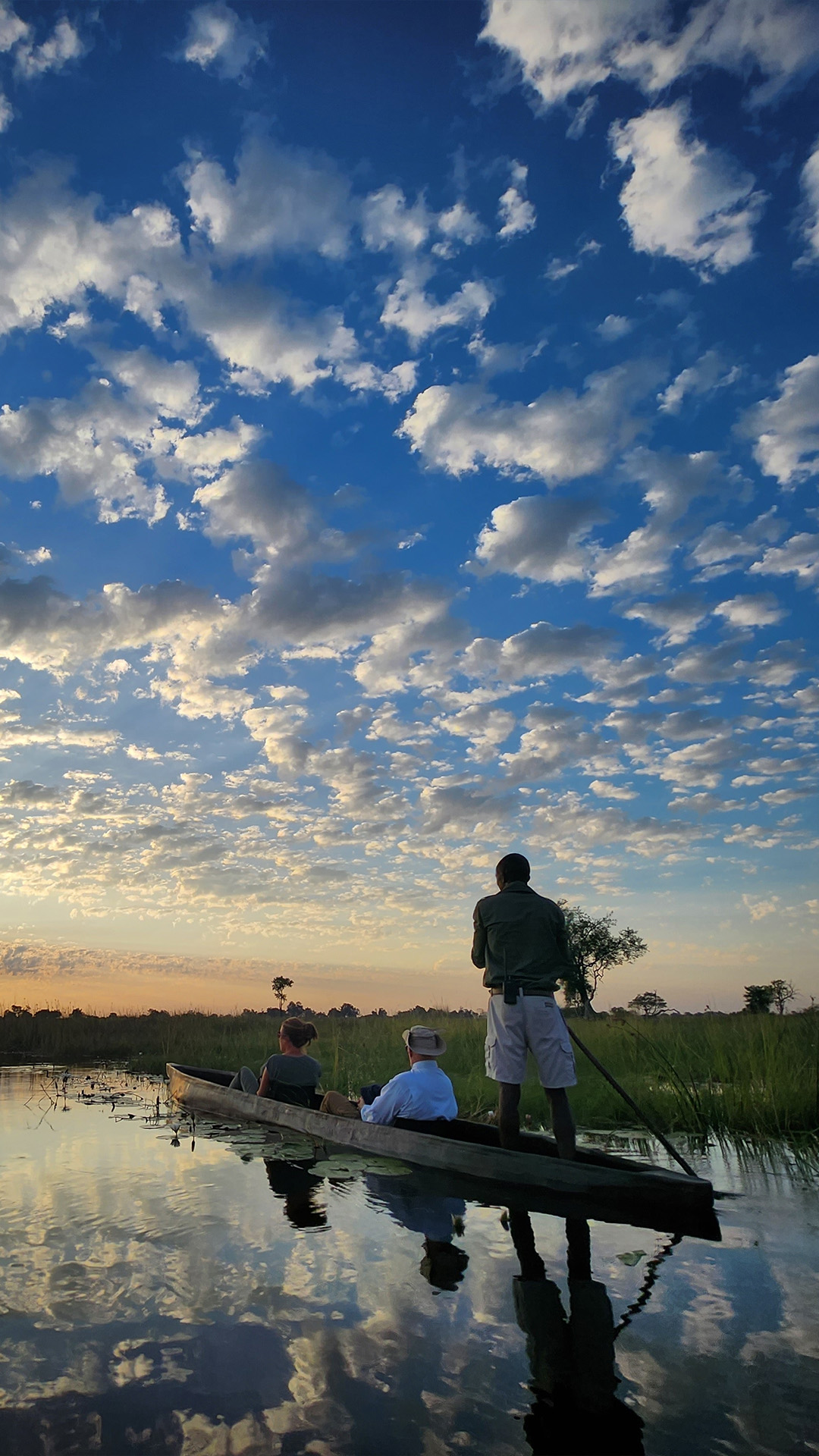
There’s a stillness to the Okavango Delta that feels almost sacred – a rhythm of water and wind that slows everything around you. Here, the desert meets the flood, and life reshapes itself with every season. As the morning light shimmers over the reeds, a mokoro (traditional dugout canoe) glides quietly through narrow channels carved by hippos and elephants. The only sounds are the soft splash of the pole, the call of a fish eagle, and the gentle rush of the papyrus brushing your fingertips.
The Delta is a living paradox – an oasis that never meets the sea, fed by rains that fall a thousand kilometres away in Angola. When those waters arrive, the land transforms into a labyrinth of lagoons and islands, alive with movement. Red lechwe leap through the shallows, elephants feed on water lilies, and herons rise in silver flocks against the sunrise. Each bend in the channel reveals something new – a heartbeat of Africa, pulsing quietly beneath the surface.
Did you know?
The Okavango Delta is one of the few inland deltas in the world that doesn’t drain into an ocean or lake. Instead, it seeps into the sands of the Kalahari – a natural wonder so unique it’s earned UNESCO World Heritage status and is often called “the river that never finds the sea.”
Epic Experience
A MOKORO ON THE DELTA
There’s a stillness to the Okavango Delta that feels almost sacred – a rhythm of water and wind that slows everything around you. Here, the desert meets the flood, and life reshapes itself with every season. As the morning light shimmers over the reeds, a mokoro (traditional dugout canoe) glides quietly through narrow channels carved by hippos and elephants. The only sounds are the soft splash of the pole, the call of a fish eagle, and the gentle rush of the papyrus brushing your fingertips.
There’s a stillness to the Okavango Delta that feels almost sacred – a rhythm of water and wind that slows everything around you. Here, the desert meets the flood, and life reshapes itself with every season. As the morning light shimmers over the reeds, a mokoro (traditional dugout canoe) glides quietly through narrow channels carved by hippos and elephants. The only sounds are the soft splash of the pole, the call of a fish eagle, and the gentle rush of the papyrus brushing your fingertips.
The Delta is a living paradox – an oasis that never meets the sea, fed by rains that fall a thousand kilometres away in Angola. When those waters arrive, the land transforms into a labyrinth of lagoons and islands, alive with movement. Red lechwe leap through the shallows, elephants feed on water lilies, and herons rise in silver flocks against the sunrise. Each bend in the channel reveals something new – a heartbeat of Africa, pulsing quietly beneath the surface.
Did you know?
The Okavango Delta is one of the few inland deltas in the world that doesn’t drain into an ocean or lake. Instead, it seeps into the sands of the Kalahari – a natural wonder so unique it’s earned UNESCO World Heritage status and is often called “the river that never finds the sea.”