


Zambia
Zambia
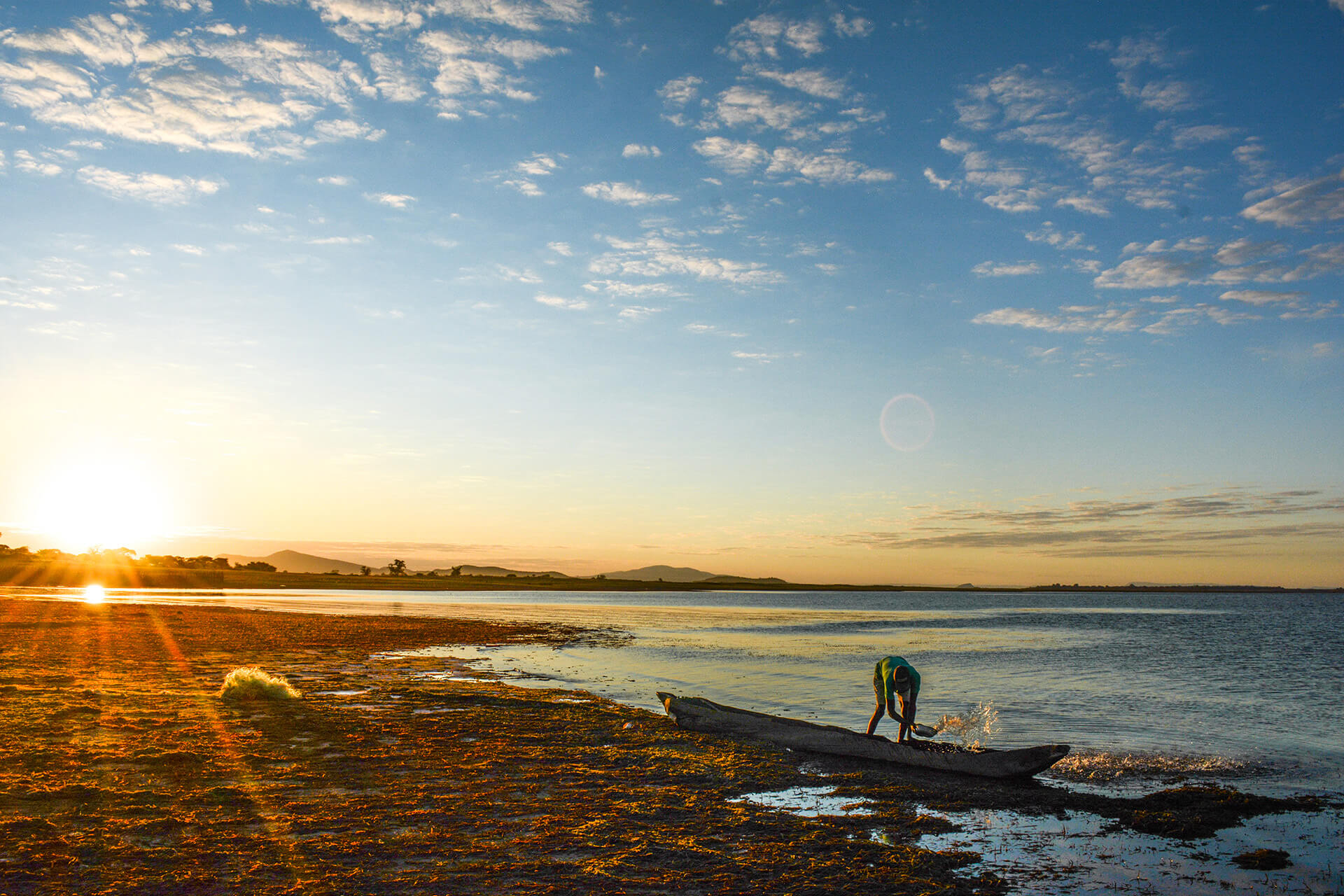
Zambia — named after the Zambezi River, whose waters help shape the country’s landscapes and borders.
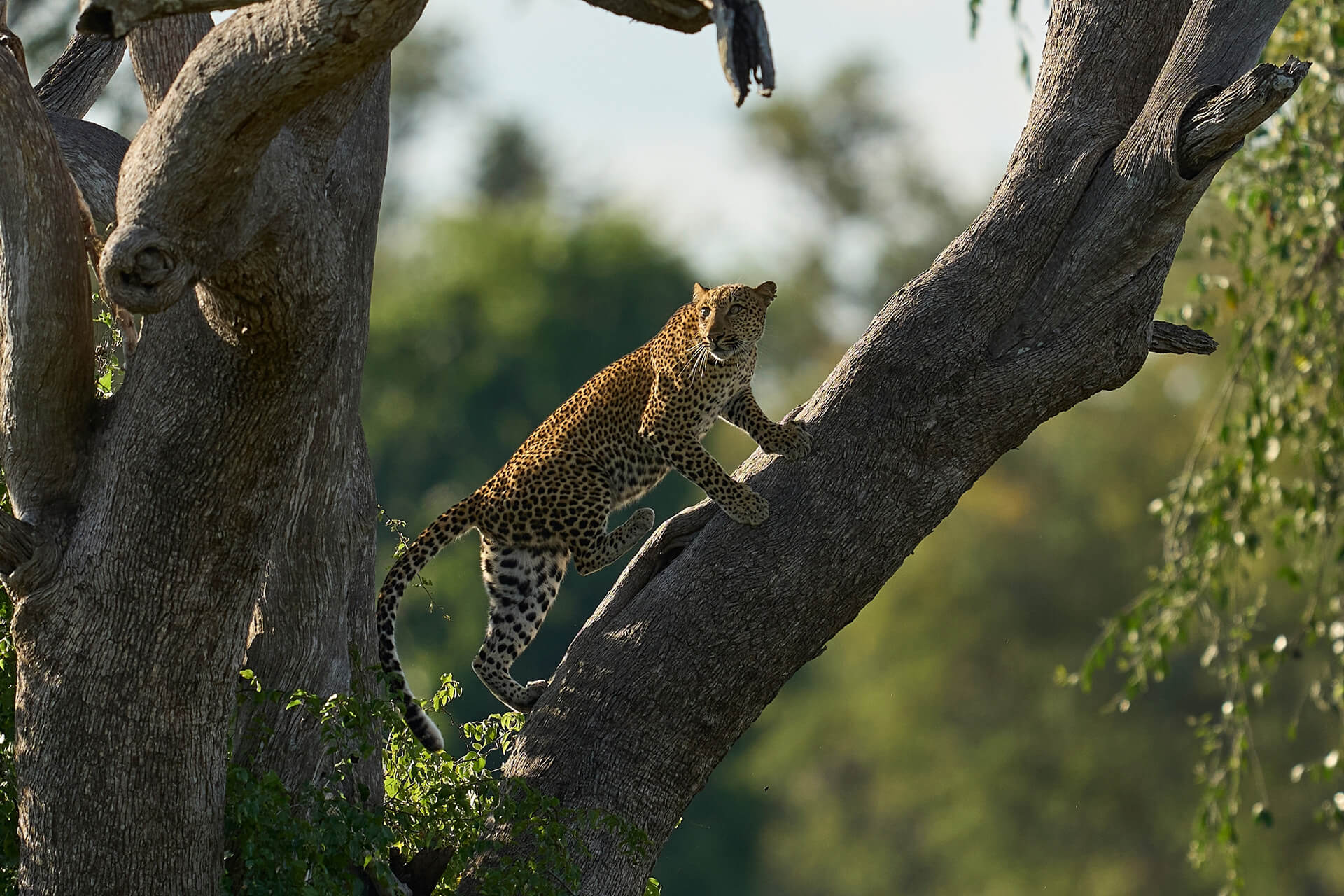
Zambia is a lush, landlocked country shaped by rivers and floodplains. It’s known for some of Africa’s wildest and most rewarding safaris, with large national parks, low visitor numbers and an emphasis on walking and river‑based experiences. The Zambezi, Luangwa and Kafue rivers support rich wildlife – from elephants and hippos to wild dogs and an extraordinary variety of birds.

NATIONAL FLAG
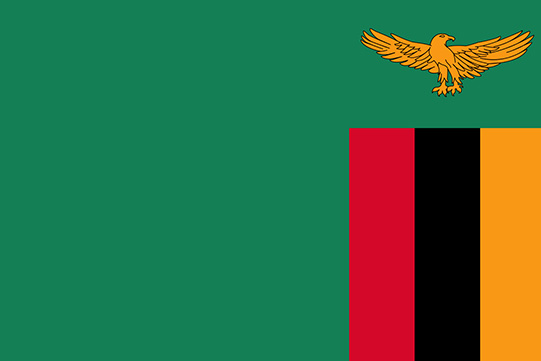
A green field with vertical stripes of red, black and orange at the fly, topped by an orange African fish eagle in flight
NATIONAL FLOWER
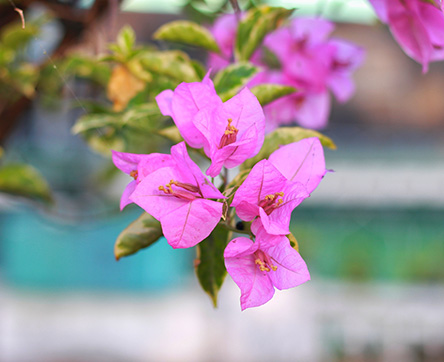
Bougainvillea – a colourful flowering vine widely recognised as Zambia’s floral emblem, seen climbing garden walls and brightening towns and villages.
NATIONAL ANIMAL
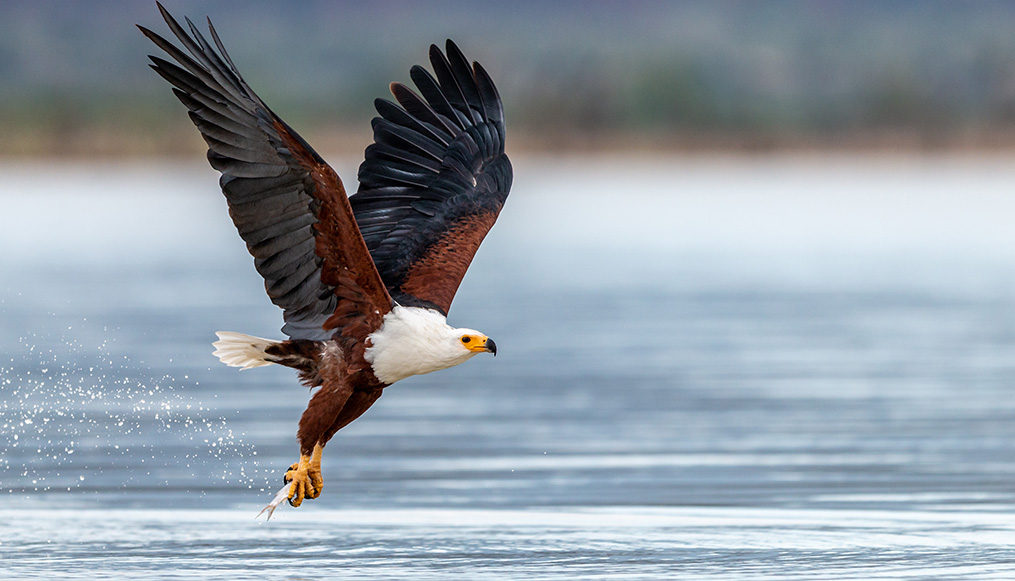
African Fish Eagle – Zambia’s official national animal, easily recognised by its white head and chest and ringing, iconic call along rivers and lakes.
CAPITAL LUSAKA
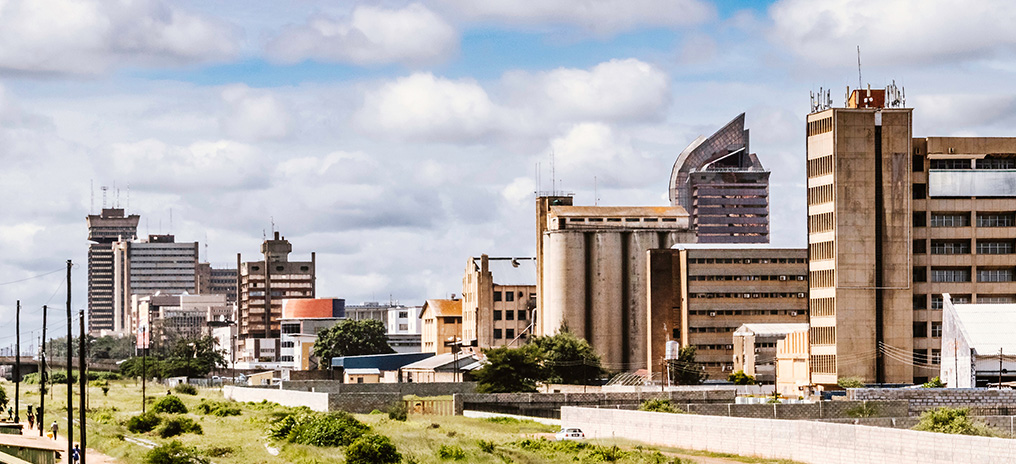
A busy, fast‑growing city on the central plateau, and the main transport and commercial hub for exploring Zambia’s wild areas.
NATIONAL FLAG
A green field with vertical stripes of red, black and orange at the fly, topped by an orange African fish eagle in flight
NATIONAL FLOWER
Bougainvillea – a colourful flowering vine widely recognised as Zambia’s floral emblem, seen climbing garden walls and brightening towns and villages.
NATIONAL ANIMAL
African Fish Eagle – Zambia’s official national animal, easily recognised by its white head and chest and ringing, iconic call along rivers and lakes.
CAPITAL LUSAKA
A busy, fast‑growing city on the central plateau, and the main transport and commercial hub for exploring Zambia’s wild areas.
Best Places
Kafue National Park
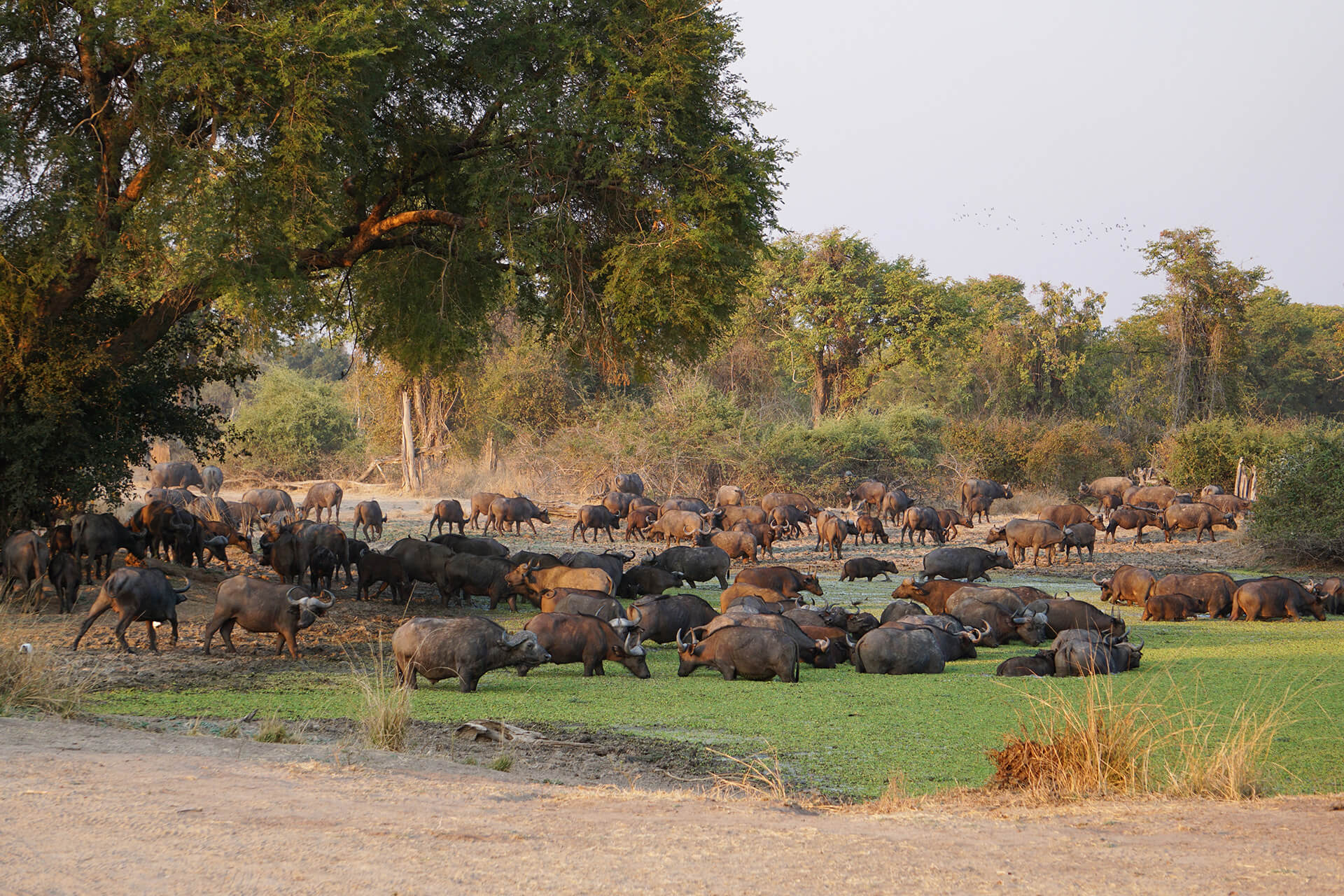
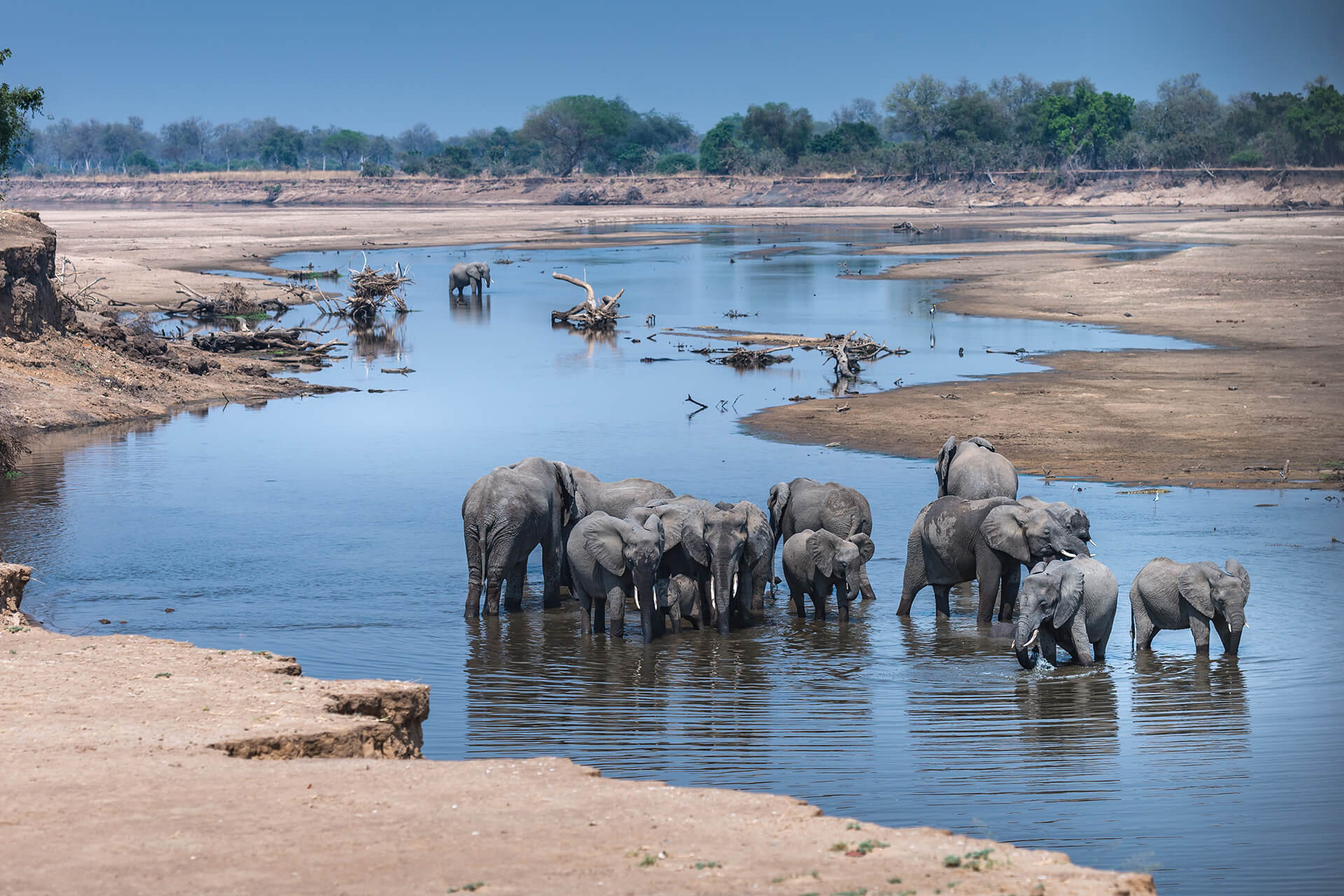
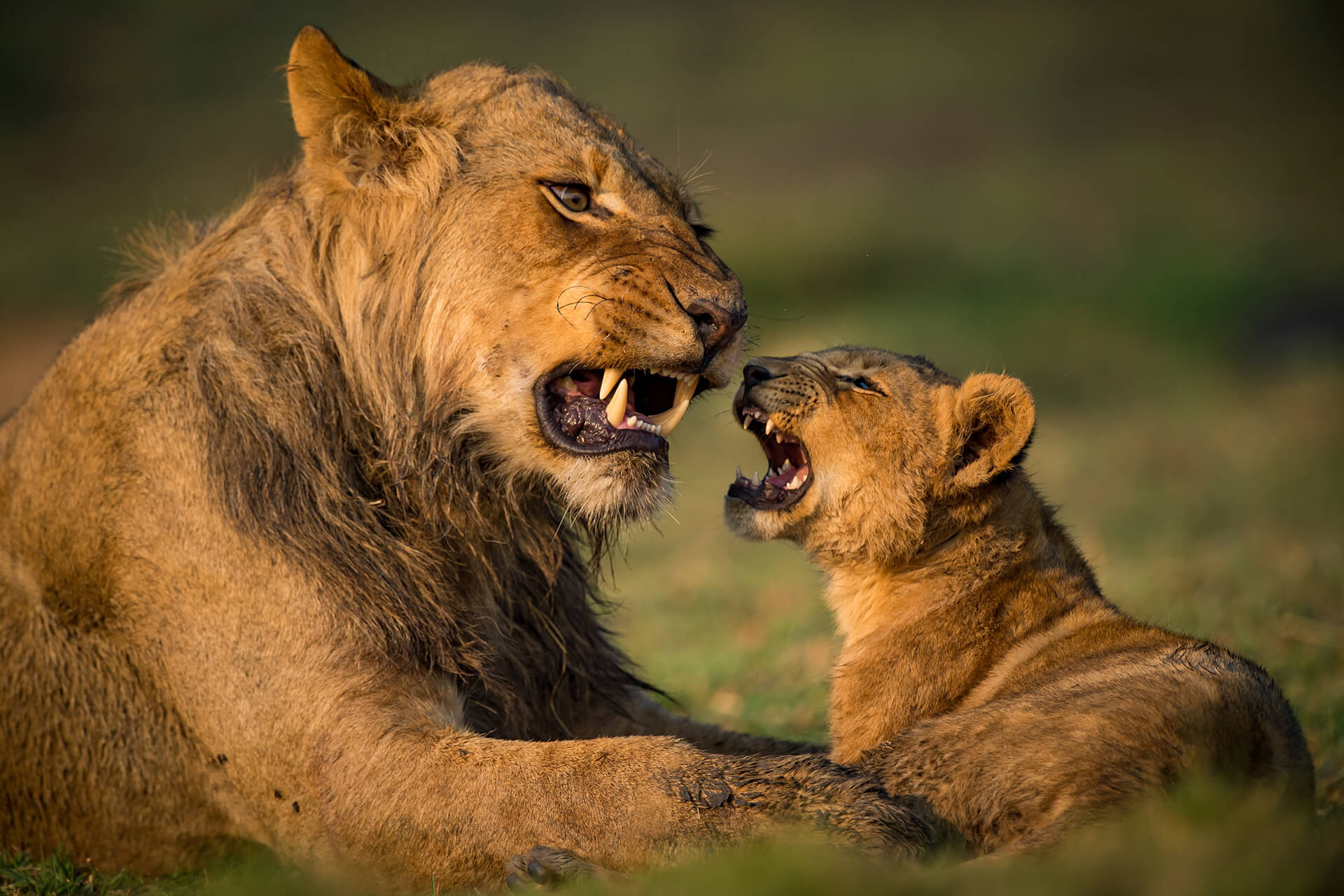
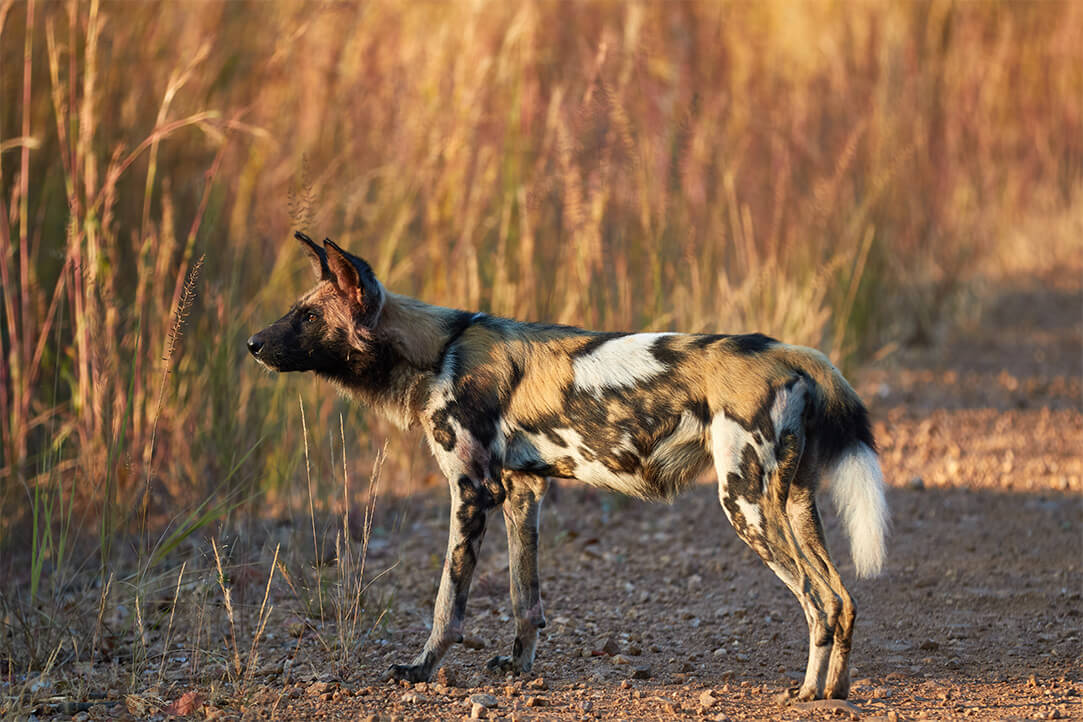
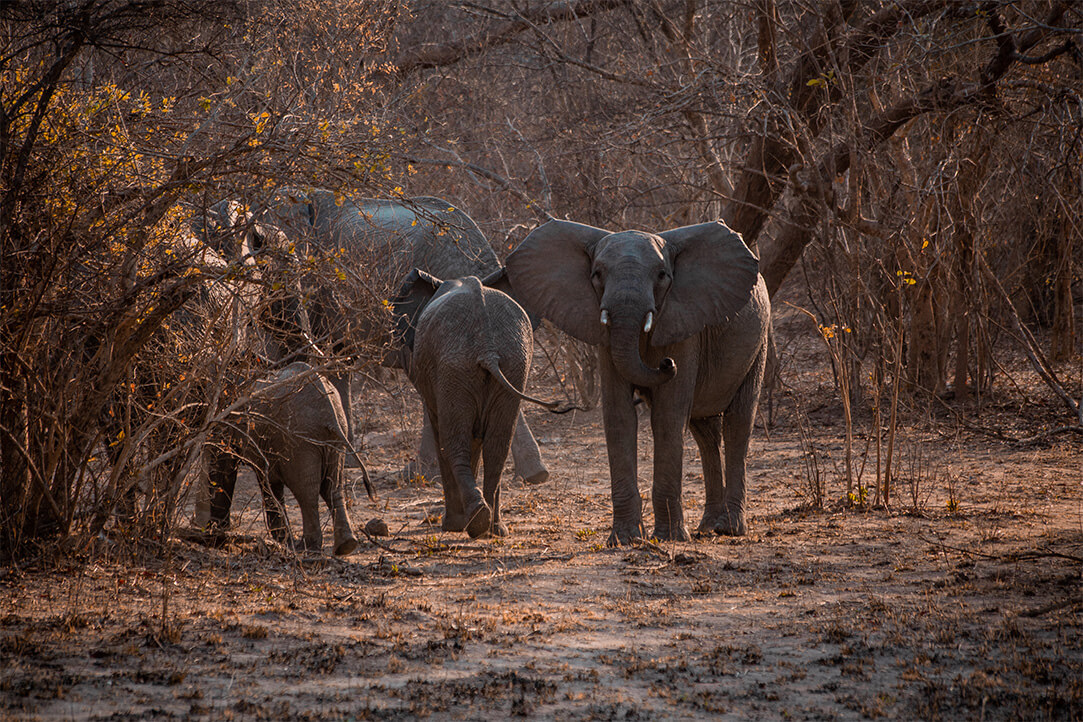
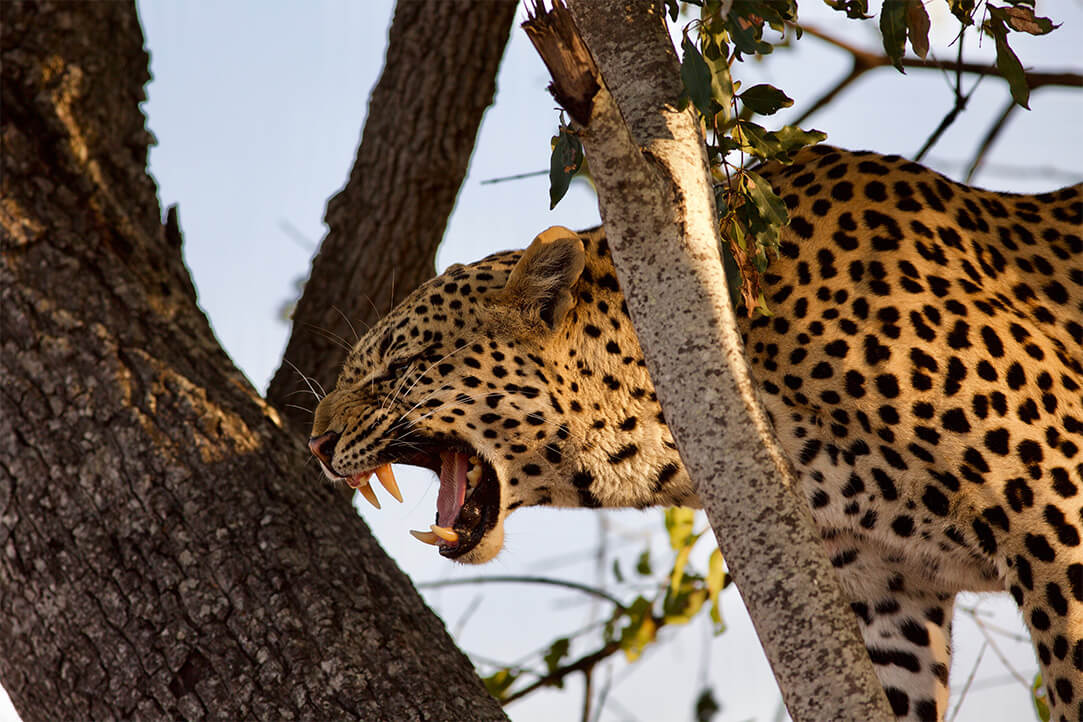
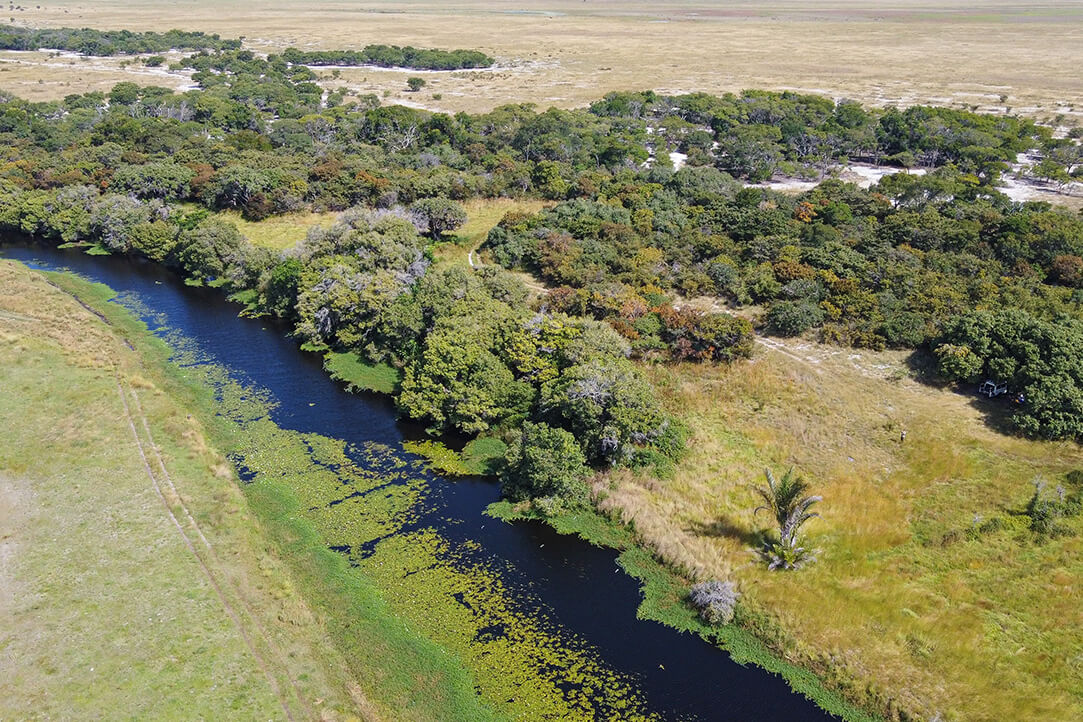
One of Africa’s last truly wild frontiers, Kafue is a vast, untamed landscape of mopane woodlands, papyrus swamps, riparian forests and the iconic Busanga Plains — a seasonal floodplain where lions stalk lechwe and herds of buffalo drift across open grasslands. Covering an immense 22,400 km², the park offers extraordinary diversity, including cheetahs, painted wolves, sable, roan, elephants and more than 500 bird species. With its remote camps and quieter safari atmosphere, Kafue feels like a hidden treasure waiting to be explored.



Liuwa Plain National Park
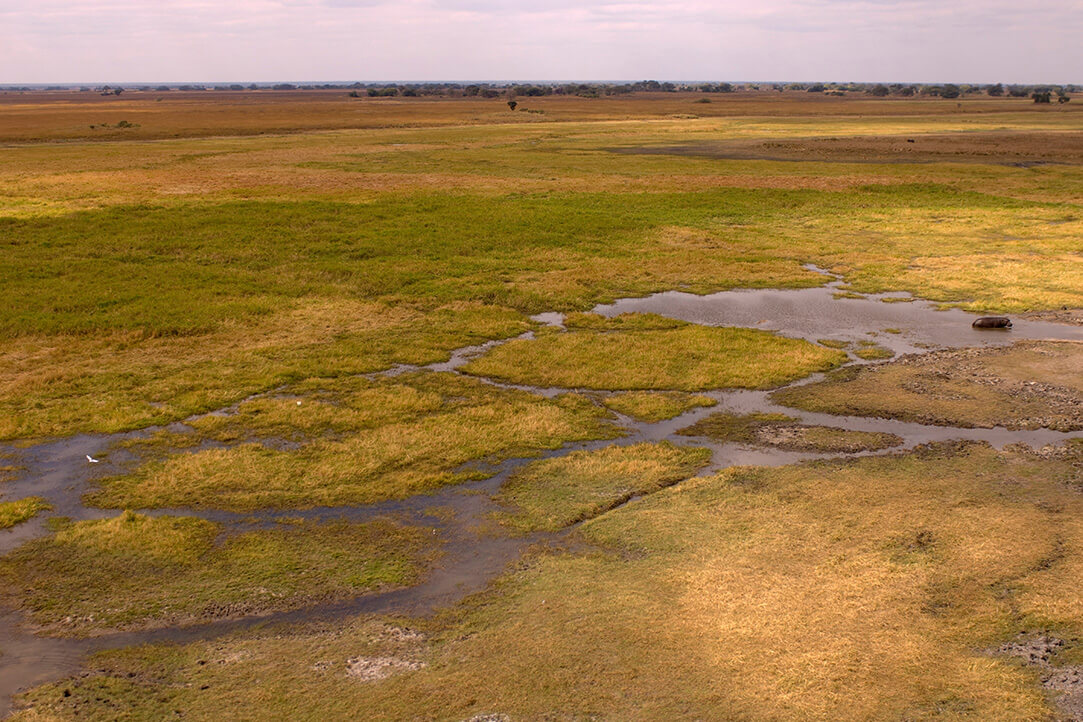
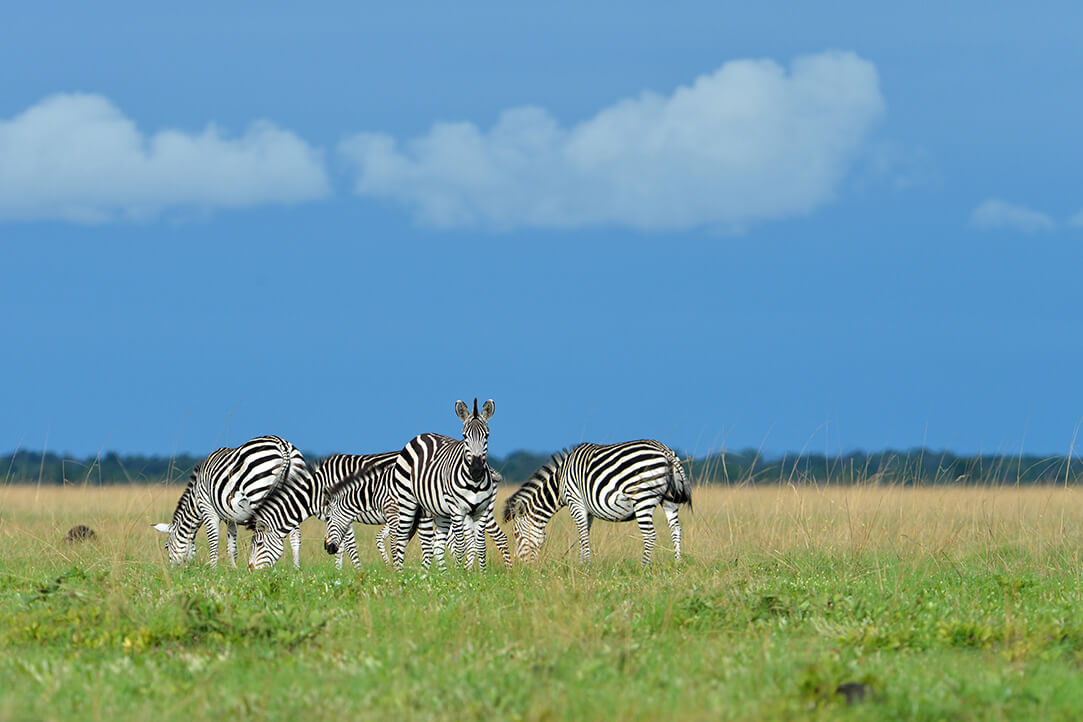
Remote, windswept and spectacularly wild, Liuwa Plain is a conservation triumph — once depleted, now restored to a thriving ecosystem where cheetah, lion and painted wolves roam the vast grasslands. Seasonal flooding transforms the plains into a shimmering birding paradise, while the sheer openness of the landscape creates a safari experience unlike anywhere else in Zambia. Few camps mean few crowds, offering rare solitude and a deep connection to the rhythm of the wilderness.
Livingstone & Victoria Falls
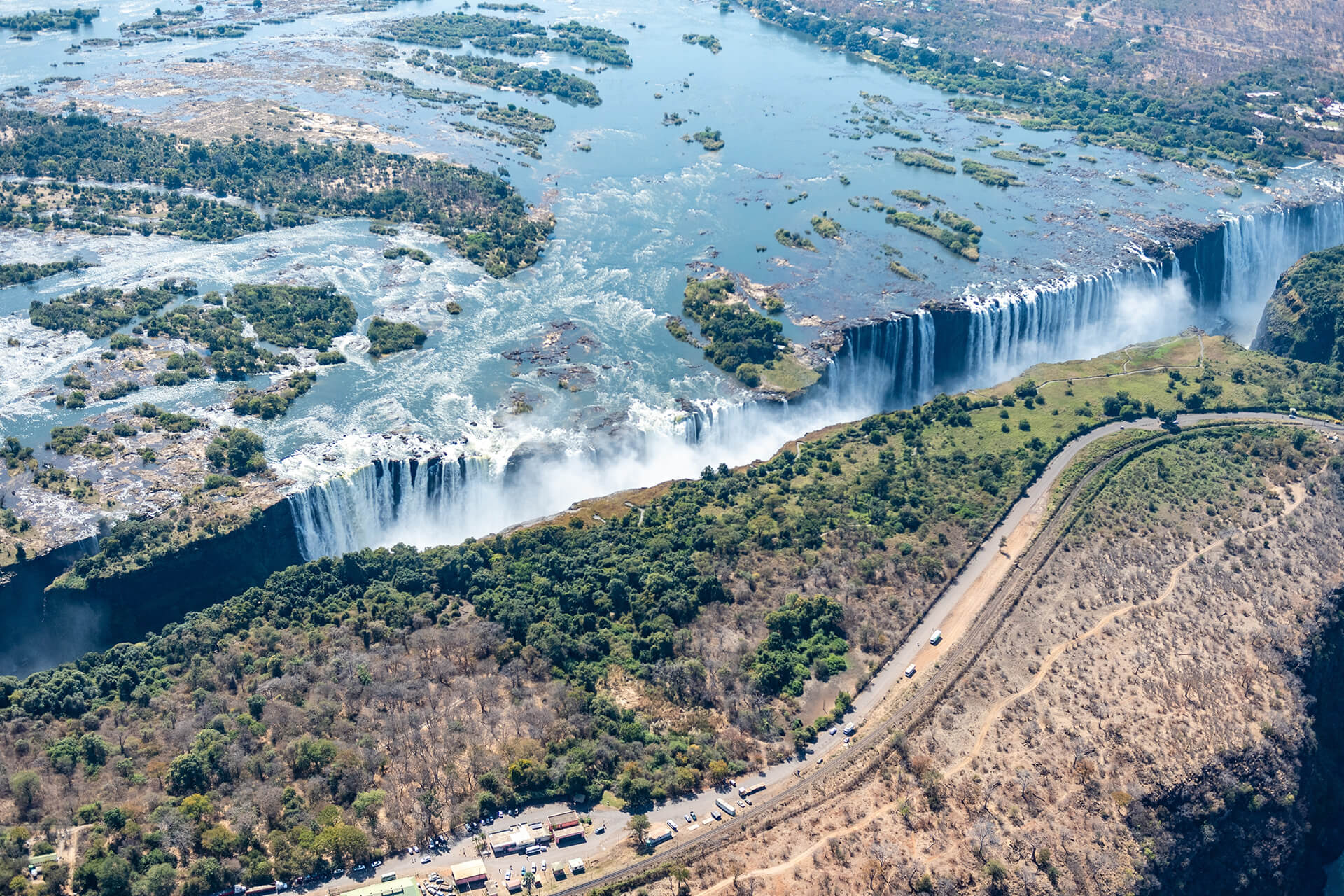
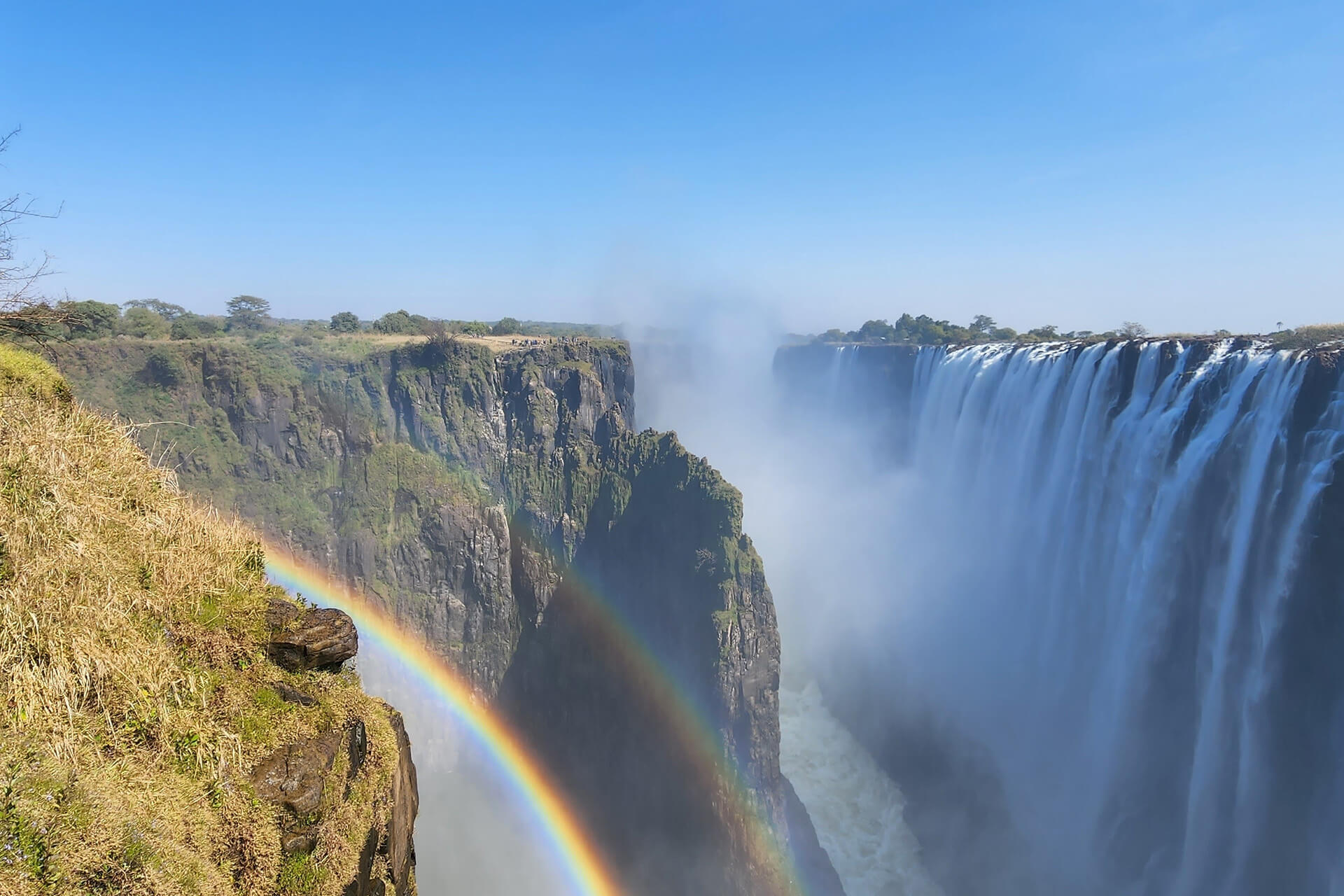
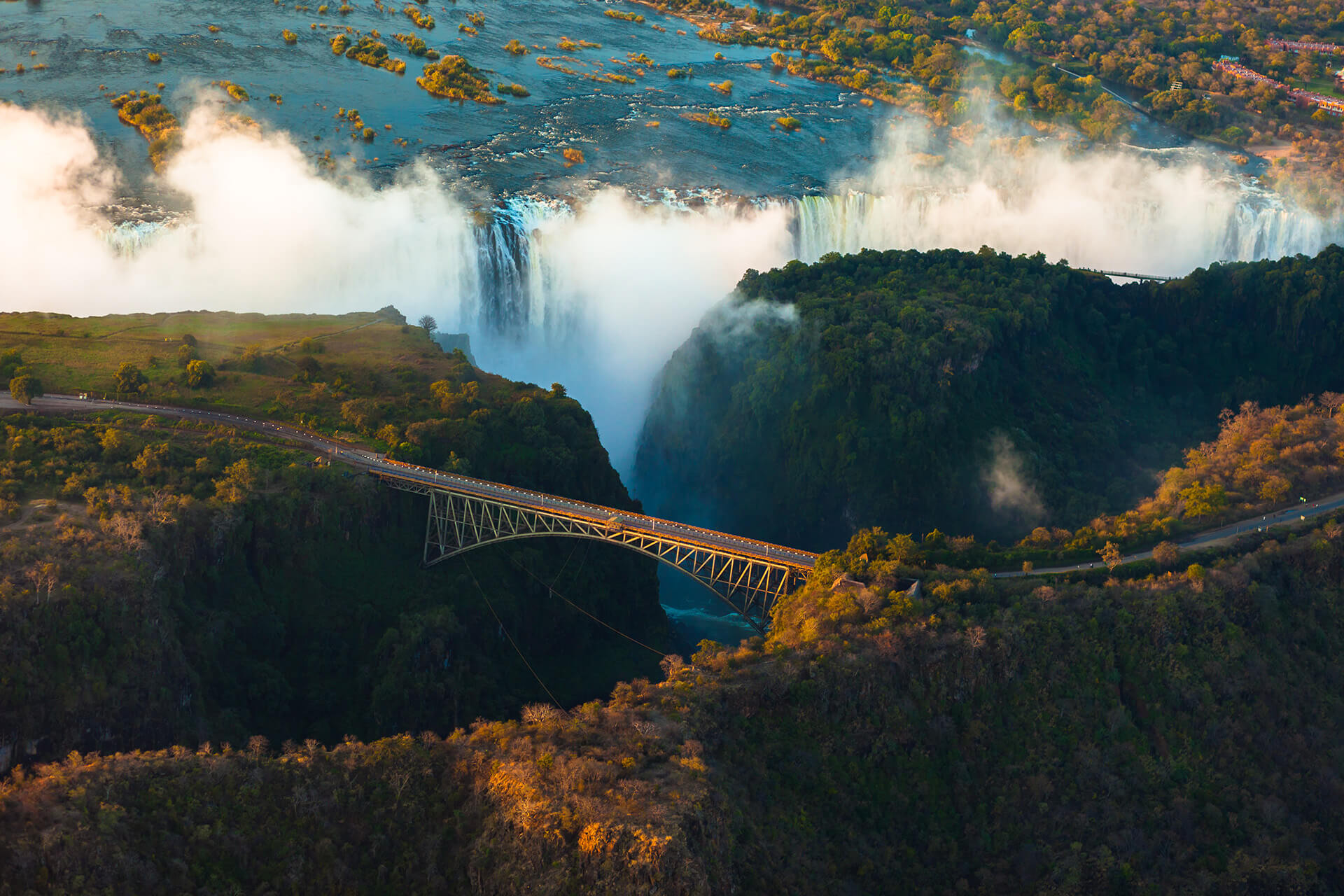
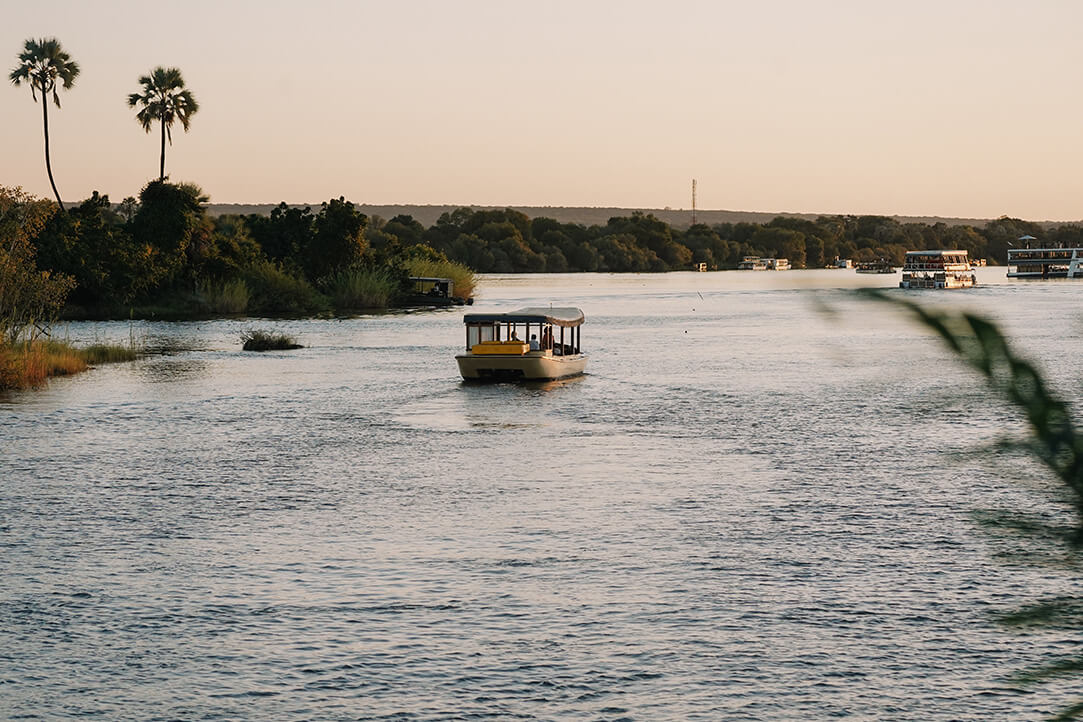
A lively town built around one of the world’s natural wonders, Livingstone is Zambia’s adventure capital and gateway to Mosi-oa-Tunya — “the smoke that thunders.” The falls roar into the Batoka Gorge, sending plumes of mist skyward and offering one of Earth’s most astonishing sights. From Devil’s Pool swims on the very lip of the falls to helicopter flips, microlighting, white-water rafting and gorge swings, adrenaline flows freely here. Cultural encounters in Mkuni village and sunset cruises on the Zambezi round out the experience.




Lower Zambezi Valley & Lower Zambezi National Park
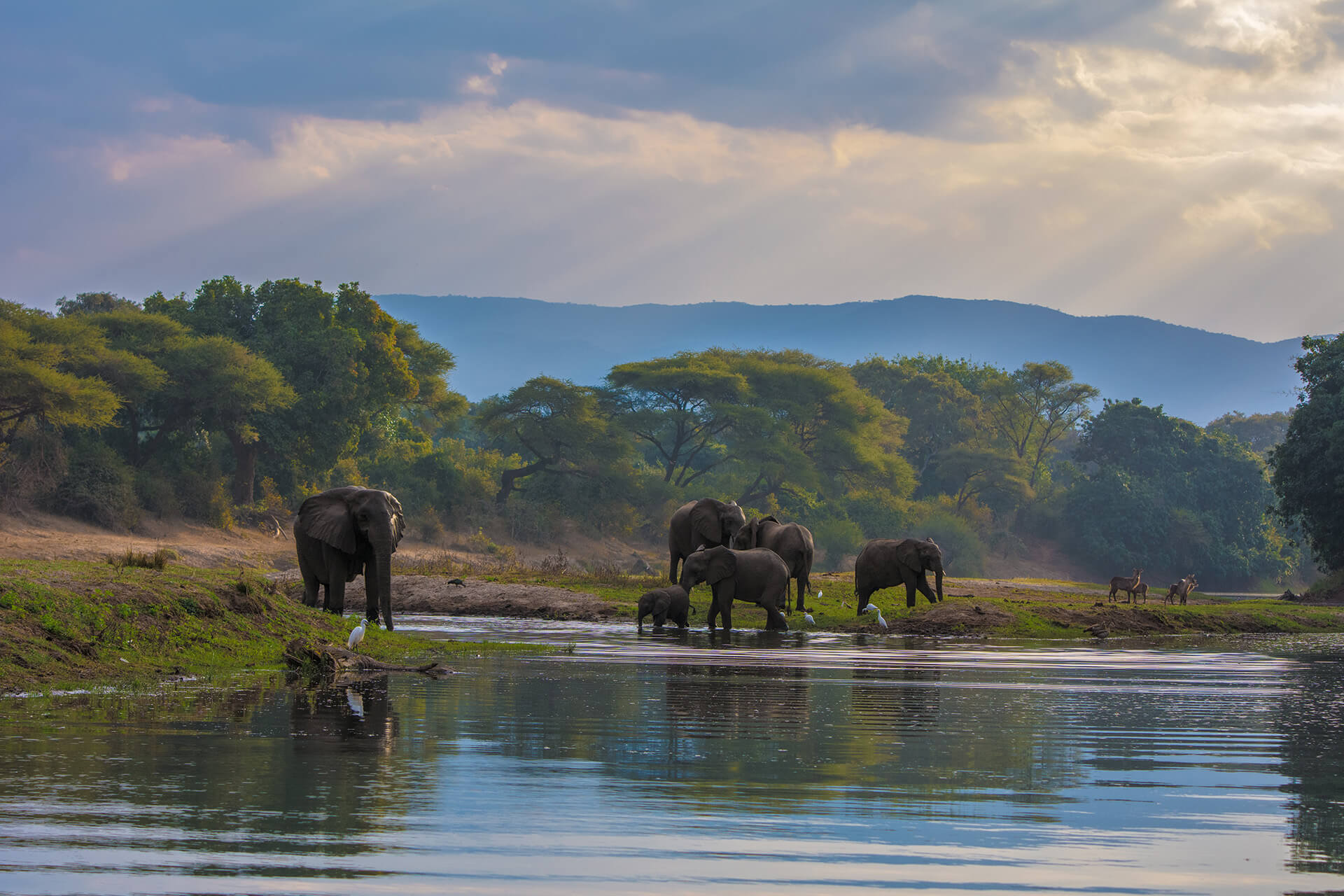
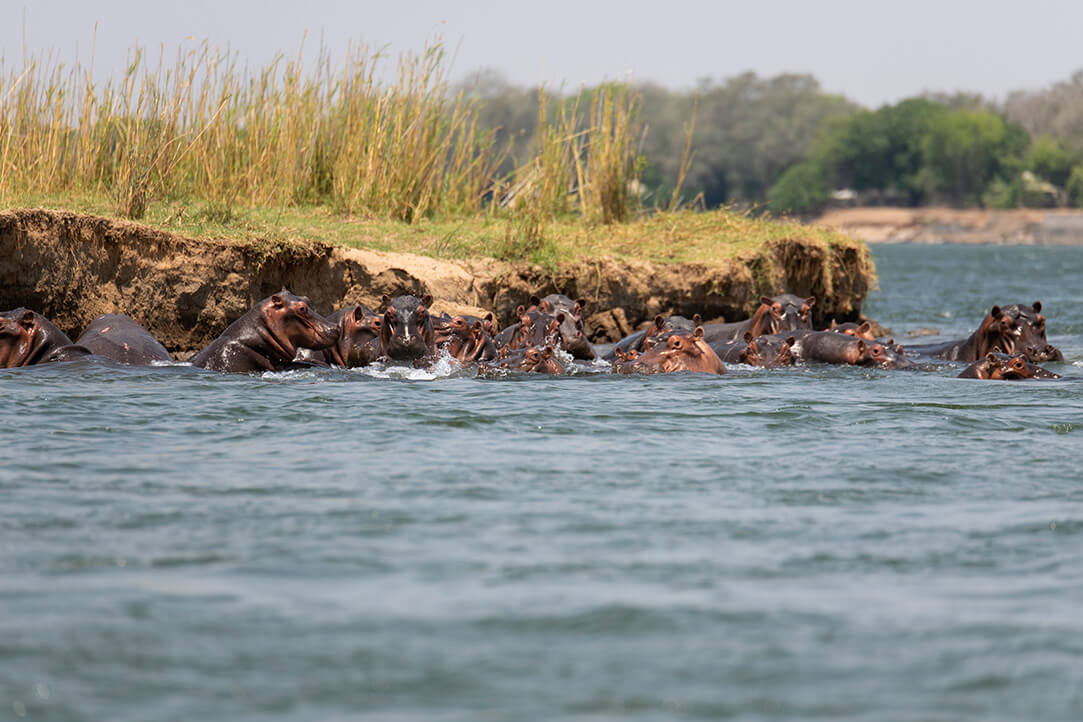
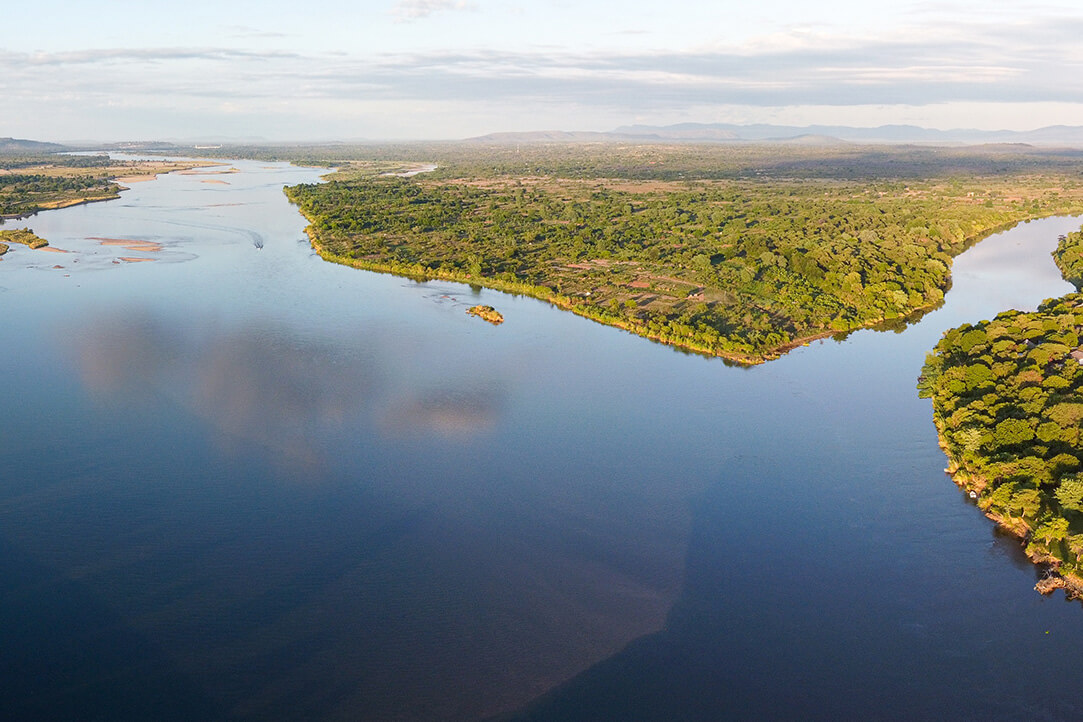
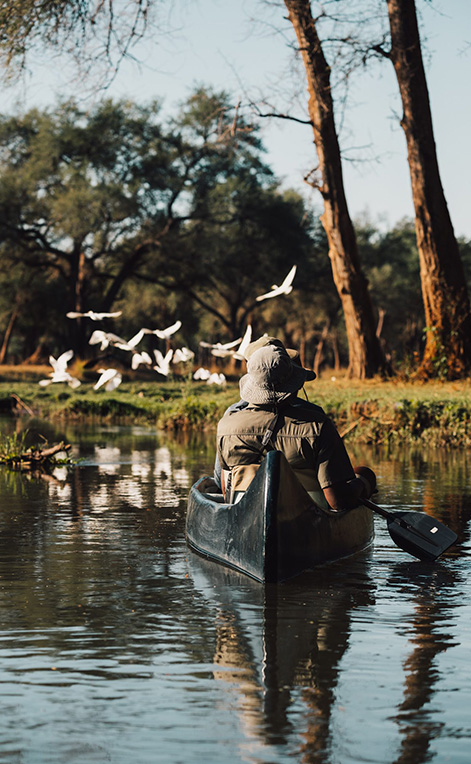
Framed by distant mountains and the slow, bronze sweep of the Zambezi River, the Lower Zambezi is one of Africa’s most serene wildlife regions — a place of broad floodplains, island-dotted channels and forests of albida and mahogany trees. Lodges and camps line the river’s most beautiful stretches, offering exceptional game viewing, prolific birdlife, canoeing, boat safaris, catch-and-release fishing and atmospheric fly-camping. The area shines in the dry season, when elephants wade between islands and wildlife gathers along the water’s edge, creating unforgettable riverfront safari moments.
South Luangwa National Park
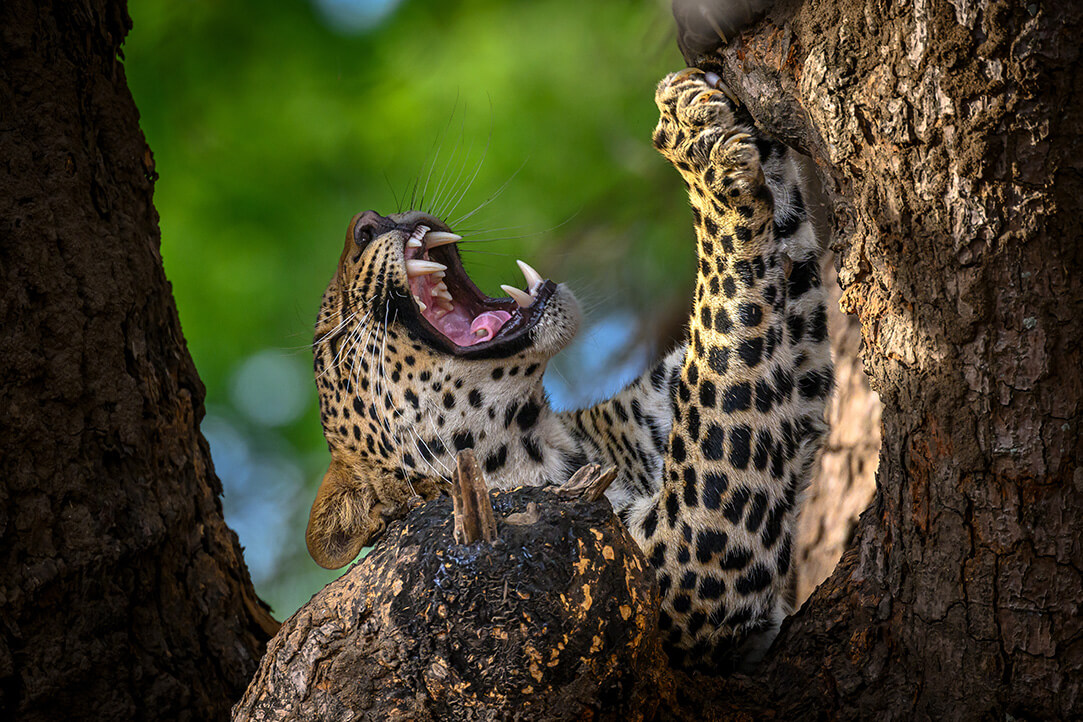
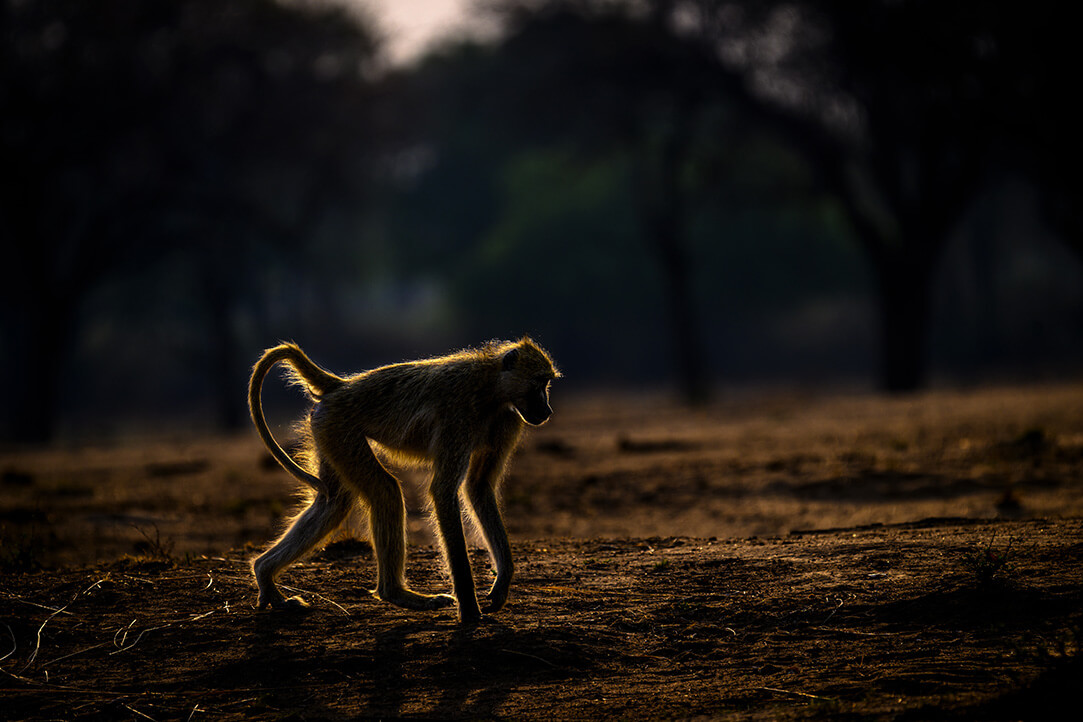
Legendary as the birthplace of the walking safari, South Luangwa is a rich, biodiverse valley bordered by the Muchinga Escarpment and threaded by the meandering Luangwa River. Its shifting seasons transform the landscape from bare winter bushveld to lush summer greenery, revealing one of Africa’s greatest concentrations of wildlife. Thornicroft’s giraffe, enormous hippo pods, abundant predator sightings and over 400 bird species make the park a dream for photographers and safari purists. Its intimate bush camps and remote walking trails reveal the valley’s true magic — raw, wild and deeply alive.


Best Places
Kafue National Park
One of Africa’s last truly wild frontiers, Kafue is a vast, untamed landscape of mopane woodlands, papyrus swamps, riparian forests and the iconic Busanga Plains — a seasonal floodplain where lions stalk lechwe and herds of buffalo drift across open grasslands. Covering an immense 22,400 km², the park offers extraordinary diversity, including cheetahs, painted wolves, sable, roan, elephants and more than 500 bird species. With its remote camps and quieter safari atmosphere, Kafue feels like a hidden treasure waiting to be explored.
Liuwa Plain National Park
Remote, windswept and spectacularly wild, Liuwa Plain is a conservation triumph — once depleted, now restored to a thriving ecosystem where cheetah, lion and painted wolves roam the vast grasslands. Seasonal flooding transforms the plains into a shimmering birding paradise, while the sheer openness of the landscape creates a safari experience unlike anywhere else in Zambia. Few camps mean few crowds, offering rare solitude and a deep connection to the rhythm of the wilderness.
Livingstone & Victoria Falls
A lively town built around one of the world’s natural wonders, Livingstone is Zambia’s adventure capital and gateway to Mosi-oa-Tunya — “the smoke that thunders.” The falls roar into the Batoka Gorge, sending plumes of mist skyward and offering one of Earth’s most astonishing sights. From Devil’s Pool swims on the very lip of the falls to helicopter flips, microlighting, white-water rafting and gorge swings, adrenaline flows freely here. Cultural encounters in Mkuni village and sunset cruises on the Zambezi round out the experience.
Lower Zambezi Valley & Lower Zambezi National Park
Framed by distant mountains and the slow, bronze sweep of the Zambezi River, the Lower Zambezi is one of Africa’s most serene wildlife regions — a place of broad floodplains, island-dotted channels and forests of albida and mahogany trees. Lodges and camps line the river’s most beautiful stretches, offering exceptional game viewing, prolific birdlife, canoeing, boat safaris, catch-and-release fishing and atmospheric fly-camping. The area shines in the dry season, when elephants wade between islands and wildlife gathers along the water’s edge, creating unforgettable riverfront safari moments.
South Luangwa National Park
Legendary as the birthplace of the walking safari, South Luangwa is a rich, biodiverse valley bordered by the Muchinga Escarpment and threaded by the meandering Luangwa River. Its shifting seasons transform the landscape from bare winter bushveld to lush summer greenery, revealing one of Africa’s greatest concentrations of wildlife. Thornicroft’s giraffe, enormous hippo pods, abundant predator sightings and over 400 bird species make the park a dream for photographers and safari purists. Its intimate bush camps and remote walking trails reveal the valley’s true magic — raw, wild and deeply alive.
BEST TIME TO VISIT
Zambia’s wildlife regions follow classic dry- and green-season patterns, each offering its own mood and beauty.
May to October (Dry Season)
Prime safari months. Wildlife gathers around rivers and shrinking waterholes, visibility is excellent and temperatures are pleasantly warm — ideal for the Lower Zambezi, South Luangwa and Kafue.
November to April (Green Season)
Rain brings lush, emerald landscapes, dramatic skies and exceptional birding. Wildlife disperses more widely, but prices drop and the scenery becomes beautifully atmospheric.
Epic Experience
Canoeing at Sunset on the Zambezi
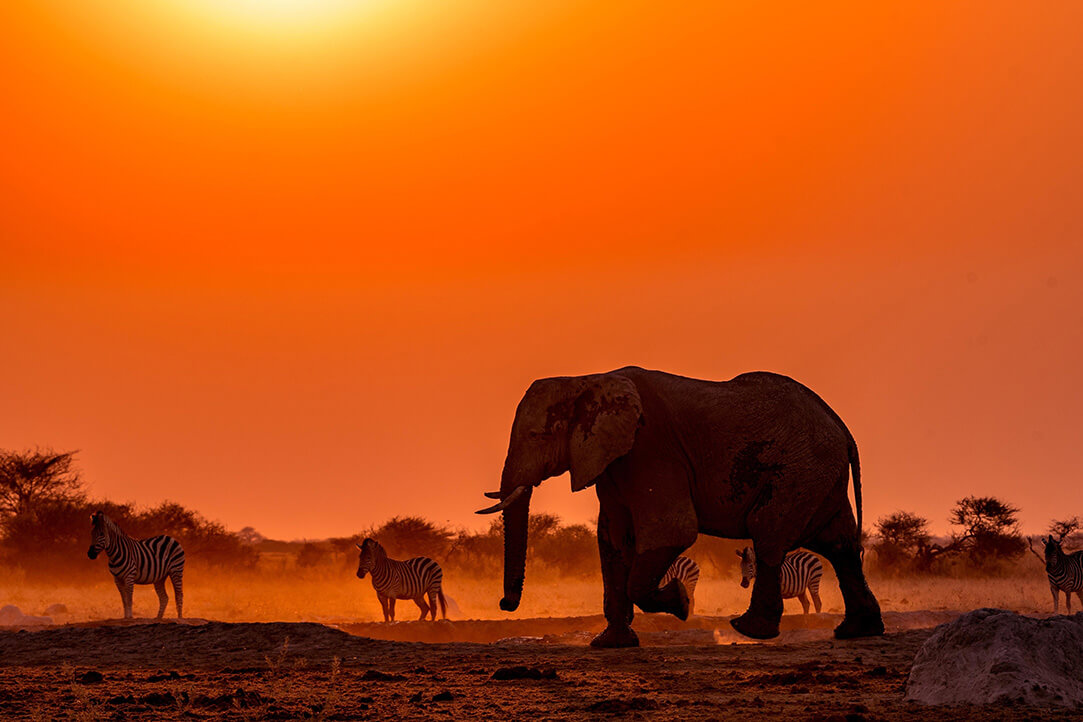
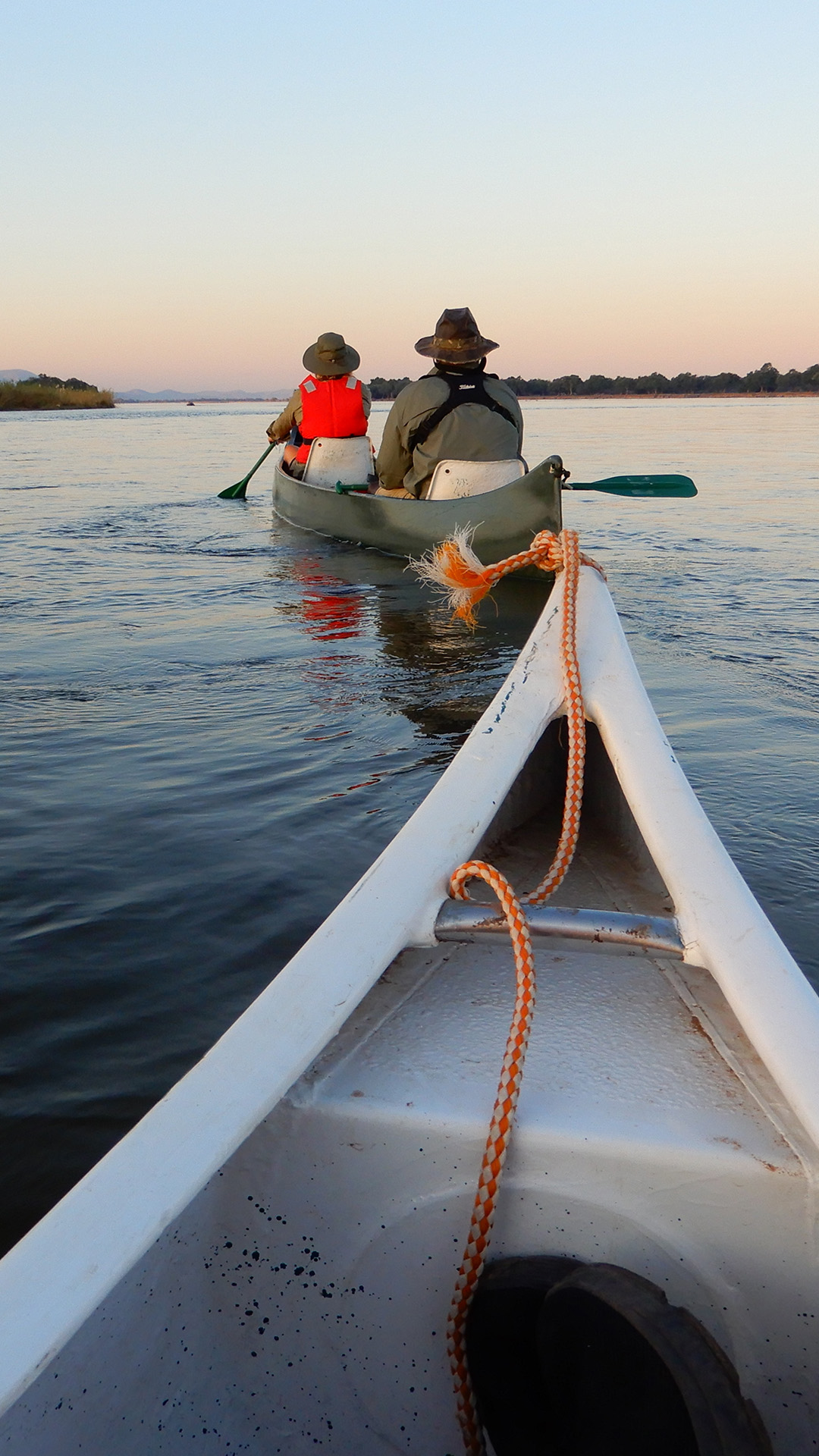
As the sun lowers and paints the water copper and gold, your canoe glides quietly down a calm channel of the Zambezi. The air cools, hippos grunt in the shallows and the silhouettes of elephants gather at the shoreline to drink, their reflections rippling across the surface. Fish eagles call from high perches in the albida trees, their cries carrying over the still water. From this low, gentle vantage point, the river feels immensely peaceful — a sanctuary of slow movement, warm light and wild presence. It’s one of the most intimate ways to experience Africa: drifting at water level while the evening draws the valley into soft, tranquil silence.
Did you know?
The Zambezi River is one of the few major African rivers still largely unfenced along its wildlife corridors, allowing elephants, buffalo and other species to cross freely between Zambia and Zimbabwe just as they’ve done for millennia.
Epic Experience
Canoeing at Sunset on the Zambezi
As the sun lowers and paints the water copper and gold, your canoe glides quietly down a calm channel of the Zambezi. The air cools, hippos grunt in the shallows and the silhouettes of elephants gather at the shoreline to drink, their reflections rippling across the surface. Fish eagles call from high perches in the albida trees, their cries carrying over the still water. From this low, gentle vantage point, the river feels immensely peaceful — a sanctuary of slow movement, warm light and wild presence.
It’s one of the most intimate ways to experience Africa: drifting at water level while the evening draws the valley into soft, tranquil silence.
Did you know?
The Zambezi River is one of the few major African rivers still largely unfenced along its wildlife corridors, allowing elephants, buffalo and other species to cross freely between Zambia and Zimbabwe just as they’ve done for millennia.