
From Snow to Safari: Why Now’s the Time to Plan Your 2026 African Summer Adventure
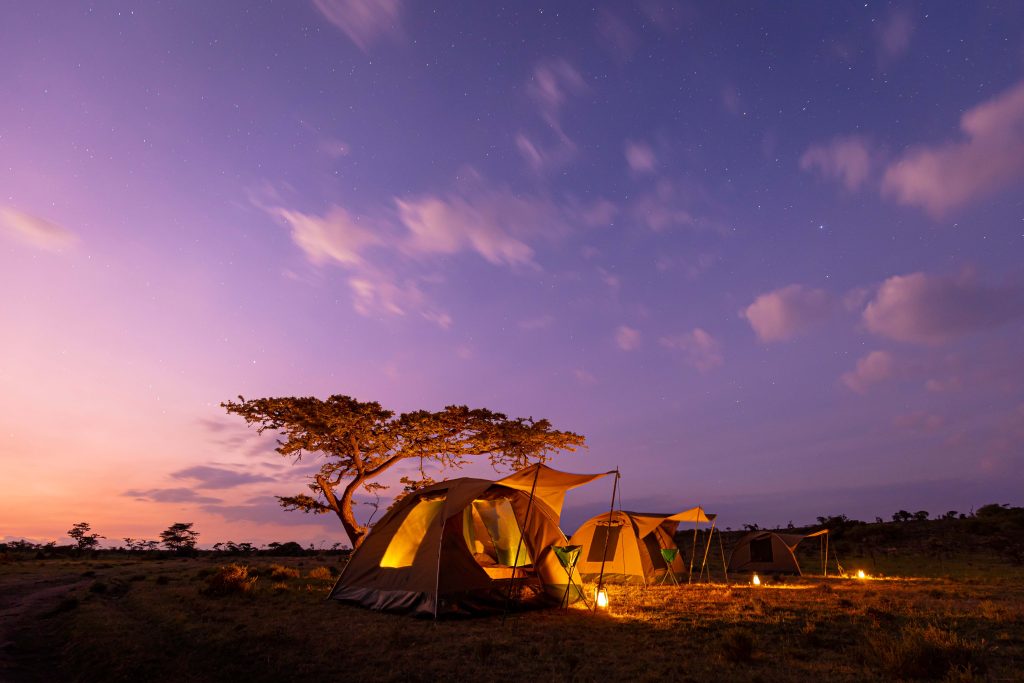
The Winter Daydream In the northern hemisphere, the outside air bites. Breath hangs in the cold, and the world feels wrapped in grey. But somewhere far to the south, beneath a wide blue sky, the plains of Africa shimmer in golden light. Elephants stir up dust in the warmth of afternoon sun. The ocean hums softly against coral shores. Somewhere, a sundowner is summerpoured as the sky blushes pink. For those in Europe and North America, the heart of winter is the perfect moment to start dreaming ahead – to trade frost for freedom, city lights for starlight and heavy coats for linen shirts. Because while you’re shivering through short days and early sunsets, Africa is preparing for her most spectacular season: July and August, the height of her . It’s a time when the Great Migration thunders across the Serengeti and Masai Mara, when humpback whales breach off Madagascar’s coast, when Uganda’s forests are clear and cool for gorilla trekking, and when Zanzibar’s beaches glow under cloudless skies. And here’s the secret: the most unforgettable journeys are planned months in advance – quietly, thoughtfully, while the rest of the world is still dreaming. Why Africa Shines in July & August When the north is wrapped in wool and winter light fades early, Africa hums with life. July and August mark the heart of the continent’s dry season – a time of warm days, crisp mornings and landscapes alive with movement. Across East and Southern Africa, this is when wildlife gathers at rivers and waterholes, when skies turn a deeper shade of blue, and when the bush feels open, golden and full of promise. It’s also one of the most comfortable times of year to travel: temperatures are mild, humidity low and mosquitos scarce. In Kenya and Tanzania, the plains come alive with the Great Migration, where millions of wildebeest and zebra follow the rains northward. In Uganda, forest paths dry just enough for steady footing and clear views of the mountain gorillas. Madagascar’s coastal waters warm to perfection, making it ideal for diving, sailing and watching humpback whales breach. For those dreaming of the sea, Zanzibar’s beaches beckon with soft sand and endless sunshine. Africa’s winter is a traveller’s summer – full of warmth, colour and space to breathe. Top African Destinations for a Mid-Year Escape Each region of Africa has its own rhythm in July and August – from sweeping savannahs to whispering coastlines – and together they create the perfect escape from winter’s chill. Kenya & Tanzania — The Great Migration If there’s one spectacle that defines Africa’s summer, it’s this. Every July, millions of wildebeest, zebra, and gazelle surge across the plains of the Serengeti and into the Masai Mara, chased by predators and shadowed by great clouds of dust. Watching a river crossing — that raw mix of chaos and beauty — is something you’ll never forget.For the best seats in the house, lodges and camps fill early, so planning a year ahead ensures you’ll have the right guide, location, and timing. Uganda — Gorilla Encounters & Jungle Magic In the misty forests of Bwindi Impenetrable National Park, July and August bring drier weather and easier trekking conditions. It’s the best time to sit quietly in the undergrowth and meet the gaze of a mountain gorilla — one of life’s most humbling moments. Add a visit to Kibale Forest for chimpanzee tracking or to Murchison Falls for sweeping savannah views, and you have a journey rich with contrast and connection. Madagascar — Wild, Warm & Wonder-Filled Off Africa’s eastern shore, Madagascar in July and August feels like another world. The air is balmy, the skies clear, and the ocean alive with migrating humpback whales. Wander among the towering baobabs, explore coral reefs around Nosy Be, or relax on an island where lemurs leap through palm trees. It’s the ultimate blend of adventure and barefoot luxury. Zanzibar — Barefoot Luxury by the Indian Ocean For those who dream of unwinding by the sea, Zanzibar offers soft white sands, spice-scented breezes, and turquoise shallows made for swimming. July and August bring perfect beach weather, ideal for ending a safari with lazy afternoons and candlelit dinners under the stars. Whether you crave wild encounters, barefoot luxury, or a little of both, Africa’s July and August offer it all — waiting quietly for those who plan ahead. The Case for Booking Early Here’s a little insider secret: Africa’s best lodges and camps are small by design with often fewer than a dozen rooms, and that intimacy is part of what makes them so special. It also means they fill up fast, especially during the most sought-after months of July and August. If you start planning now, you’ll have the luxury of choice:• The finest migration-viewing camps in Kenya and Tanzania• The most experienced gorilla-trekking guides in Uganda• Seaside suites in Madagascar and Zanzibar that feel worlds away Early planning also means securing better flight routes, smoother connections, and the chance to build in slow travel moments – a few nights by a lake, a day to breathe between flights, an extra sunset. Most of all, it transforms the process from rushed to rewarding. You’ll have time to shape your itinerary around what truly matters to you from the pace to comfort, photography, culture or simply to rest. And with Claire’s expertise, every detail is handled with warmth and care, from your first email to the last farewell at the airstrip. When you plan early, your African summer becomes less of a holiday and more of a story waiting to unfold. Start Dreaming, Start Planning As snow falls in Europe and frost glistens across the windows of North America, imagine trading scarves for sun hats and stepping into a world of warmth and wild beauty. Picture yourself sipping coffee as elephants wander past a waterhole, hearing the distant call of a fish eagle over the Zambezi or sinking your toes into Zanzibar’s sand as the sun slips into the
Where to Travel in Africa This Festive Season
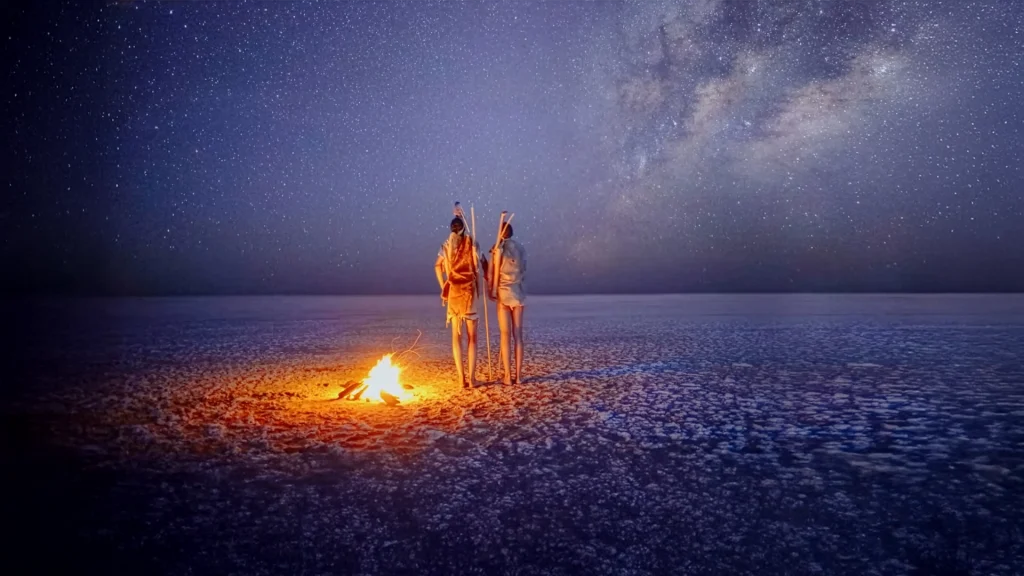
Four Curated Journeys to Inspire You There’s something deeply special about spending the festive season in Africa. While much of the world turns inward, Africa opens outward into wide horizons, warm days and the soft rhythm of nature. It’s a time when elephants gather at waterholes in the early light, when coastlines glow gold at sunset, and when riverbanks hum with life. Instead of queues, crowds or cold weather, you step into space, stillness and the kind of beauty that unfurls slowly. This guide brings together four of our curated Inspiration Itineraries from November. Each one is designed for travellers who want their Christmas holiday to feel meaningful, unhurried and deeply memorable. From Kenya’s elephant-rich landscapes to Botswana’s drifting waterways, from South Africa’s safari-to-sea flow to a cross-border journey shaped by the Zambezi, these itineraries offer four distinct ways to experience Africa at its most generous. They’re perfect if you’re exploring your options and want a clear sense of what each journey offers, how they differ and what type of traveller they’re best suited to. Think of it as a practical, beautiful way to imagine your festive season under African skies. Journey 1: Elephants and Wildlife Wonder – Kenya If your ideal festive escape is one that feels soulful, unhurried and deeply connected to wildlife, this Kenya journey is the one to linger over. It moves gently from Nairobi’s quiet charm into the heart of one of the most meaningful elephant experiences in Africa: Ithumba Camp in Tsavo East, part of the David Sheldrick Wildlife Trust. Here, rescued orphaned elephants learn to return to the wild, and guests have the rare chance to witness their morning feedings, midday mud baths and slow afternoon wanderings. It’s an intimate, emotional experience that stays with you long after you’ve returned home. From Tsavo, the journey opens out into the soft, shimmering plains of Amboseli, famous for its elephant herds moving beneath the silhouette of Mount Kilimanjaro. The pace remains gentle, ideal for slow safari lovers who want space without sacrificing extraordinary sightings. Then it’s on to the serene waters of Lake Naivasha, a peaceful pause before the final arc of the trip: the Masai Mara. Days here unfold in golden light, filled with rich wildlife encounters, campfire storytelling and the possibility of a sunrise hot air balloon flight. This is a festive season itinerary for travellers who want meaning woven into every step. Those who prefer nature over noise, connection over crowds, and the warm generosity of Kenya’s landscapes at a time of year when the world feels fast. Perfect for: slow travellers, elephant lovers, first-time safari guests, families with older children, and anyone wanting an uplifting, heart-led Christmas adventure. Explore the journey Journey 2: Classic Journey from Victoria Falls through Botswana If you’re picturing a festive season filled with water, wildlife and wide-open space, this classic journey through Zimbabwe and Botswana offers a beautiful sense of flow. It begins at the edge of one of Africa’s greatest wonders: Victoria Falls. The sheer power of the Zambezi in full voice is both grounding and exhilarating, a reminder that nature can be both immense and intimate at the same time. Even a single sunset cruise here feels like a deep breath. From there, the journey sets a quieter rhythm along the riverbanks of Chobe, where elephants gather in astonishing numbers and boats drift along channels lined with reeds. It’s the kind of place where you lose track of time, watching herds come and go while the afternoon light softens into gold. Moving deeper into Botswana, the experience becomes even more serene in the Okavango Delta. At Khwai Leadwood or Camp Xakanaxa, water is the heartbeat of daily life. Think mokoro excursions, gentle walks, and wildlife appearing almost as if drawn by the stillness. The lagoon edges, the sighing papyrus and the mirrored waters make it feel like a world apart. Finally, the journey widens out onto the otherworldly silence of the Makgadikgadi Pans, where mornings begin with meerkats perched on tiptoe and evenings end beneath stars so sharp they seem close enough to touch. It’s a peaceful, contemplative end to an itinerary that celebrates movement, water and the quiet hum of the wild. Perfect for: travellers who love variety, river landscapes, gentle luxury, slow days on the water and a festive season that feels spacious and restorative rather than rushed. Explore the journey Journey 3: Addo to Cape Town Safari-to-Sea Escape – South Africa For travellers who want a festive season filled with contrast and flow, this South African journey offers a beautiful blend of wild spaces and coastal calm. It begins in the wide, open landscapes of the Eastern Cape, where elephants wander along dusty paths and the light settles softly over the hills. Stays like Gorah Elephant Camp bring old-world elegance to the wilderness: lantern-lit dinners, gentle mornings, and game drives that move at a thoughtful pace. From here, the road leads west toward the cleansing quiet of the Whale Coast. Hermanus is a highlight, especially in early summer when whales glide through the deep blue just offshore. There’s a sense of exhale here – rugged cliffs and salt air mixed with the feeling of time moving more slowly. It’s an easy place to settle into long lunches and oceanside walks. The journey ends in Cape Town, where mountains, winelands and city life fold together in effortless style. Whether you choose to spend your days exploring the peninsula, lingering in wine country, or simply watching the light change across Table Mountain, the city gives you as much or as little as you want. It’s a soft landing after days in the wilderness and a lovely place to gather for the festive season. This itinerary is about balance: the hush of safari nights and the brightness of seaside mornings, the thrill of elephants at dusk and the calm of the ocean at dawn. It’s a Christmas journey that feels both grounding and celebratory. Perfect for: travellers who love variety, couples and families seeking a gentle introduction to safari, food and wine lovers, and anyone wanting a festive
The Art of Slow Safari
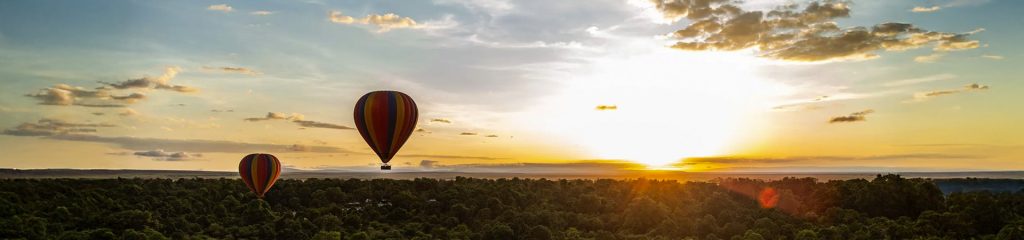
Africa in Your Golden Years Why Slow Travel Belongs to the Golden Years You’ve earned the best seat in the house – so why not take it? The beauty of travelling in your golden years (or your glorious semi-retirement) is time: time to linger over horizons, to watch light change on a river, to follow a herd not because you must, but because you want to. A slow safari isn’t about ticking off sightings; it’s about letting Africa unfold at a gentler pace – one unhurried dawn, one long sundowner, one velvet night at a time. The Beauty of a Slower Safari Unlike whirlwind itineraries, slow safaris trade “how much can we fit in?” for “how deeply can we experience this?” Think fewer hotel changes and more nights in the same wildlife area; fewer early-morning alarms and more made-to-measure days. Private guides shape each outing around your interests and energy levels. Transfers are streamlined. Comfort isn’t a luxury add-on – it’s the baseline. There’s a quiet magic in this approach. When you aren’t rushing, you notice everything: the soft rumble of elephants before you see them, the way a lilac-breasted roller stitches colour across the sky, the ripple of grass when lions are moving close. Slow travel makes space for chance – those little moments that end up being the big memories. It’s also wonderfully kind to the body. Gentle game drives with stretch breaks. Boat or canoe safaris that let the river do the work. Walks set to your stride, not the clock. Evenings that begin with a proper nap and end under a billion stars. The result? A journey that refreshes rather than depletes, that invites connection – with place, with people, and with each other. Most of all, a slow safari honours why you’re here: to be present. To savour warm bread at breakfast and warm light at dusk. To listen, learn, and let nature set the tempo. In this season of life, the richest luxury isn’t speed – it’s depth. And Africa rewards it, generously. A slow safari isn’t defined by how far you travel – it’s about how deeply you experience each place. Fortunately, Africa is filled with destinations that reward travellers who prefer to linger, each offering its own flavour of calm adventure and gentle wonder. Botswana – Quiet Waters, Endless Skies In Botswana, the safari pace slows naturally. The Okavango Delta glimmers with shifting light and silence; a place best explored by mokoro (dugout canoe) as reed frogs sing and elephants wade nearby. Stay with Golden Africa Safaris, a roving tented camp led by husband-and-wife hosts who curate every detail with care. Days flow gently from game drives to campfire dinners, while the Delta hums softly just beyond the lantern glow. Zimbabwe – Rivers, Rails, and Golden Light For retirees and semi-retirees, Zimbabwe offers a blend of elegance and ease. In Mana Pools, wildlife comes to you – elephants wander right through camp, and canoe safaris along the Zambezi promise gentle excitement. In Hwange National Park, you can trade dusty roads for the Elephant Express, a charming open-sided train that turns travel itself into part of the adventure. Kenya – Connection and Conservation In Kenya, the joy of slow safari lies in its intimacy. Stay at Ithumba Camp in Tsavo East to meet the rescued elephants of the David Sheldrick Wildlife Trust, or retreat to one of The Wilder Group’s boutique lodges in Laikipia or the Mara, where game drives unfold entirely at your pace. With private vehicles and attentive guides, every sighting feels like it belongs to you alone. Tanzania – Grace and Grandeur Few places feel as timeless as Tanzania’s Serengeti. At Kubu Kubu Tented Lodge, sunrise paints the plains gold as coffee is poured on your veranda; the rhythm of the day is yours to choose. Afterward, retreat to Ngorongoro Farm House, a peaceful hideaway among coffee fields near the crater, where birdsong replaces alarms and evenings are lit by firelight and stars. South Africa – Luxury on the Rails and Beyond If comfort and style top your list, South Africa delivers. Climb aboard Rovos Rail, the continent’s most elegant train, for a slow glide through changing landscapes from Johannesburg to Victoria Falls. Or settle into a coastal retreat along the Garden Route, where cool ocean air promises the perfect soft landing after safari. Each of these journeys has its own tempo – but all share one truth: in slowing down, you see more, feel more, and take home memories that last far longer than a snapshot. The Experiences That Make It Special A slow safari is less about what you see and more about how you feel while seeing it. It’s not about chasing the Big Five in record time – it’s about watching a herd of elephants interact for an hour and realising that’s more moving than ticking five boxes on a list. Here are some of the experiences that make a slow safari truly unforgettable: Sundowners and Starry NightsNo two sunsets in Africa are ever the same. As the day cools, lodges set up small bars in the wilderness so you can toast the light fading behind acacia trees. Later, under the velvet night sky, stories are shared by the fire, and the Southern Cross becomes your evening companion. Canoe and Boat SafarisPerfect for those who prefer their wildlife encounters gentle and rhythmic. Glide (or rather, float) along the Zambezi or through the Okavango Delta’s mirrored channels, where kingfishers flash, hippos snort, and elephants graze on the banks. The water carries you – effortlessly.Luxury Rail JourneysTravel itself becomes part of the adventure on Africa’s grand trains. The Rovos Rail and Elephant Express offer comfort with a dash of nostalgia – fine dining, vintage charm, and landscapes that roll by like living paintings. You can sip your tea as giraffes wander across the horizon.Lingering Meals and Long ConversationsEvery slow safari includes time to savour – home-baked bread at breakfast, al fresco lunches beneath fig trees, dinners by
Spring in Africa
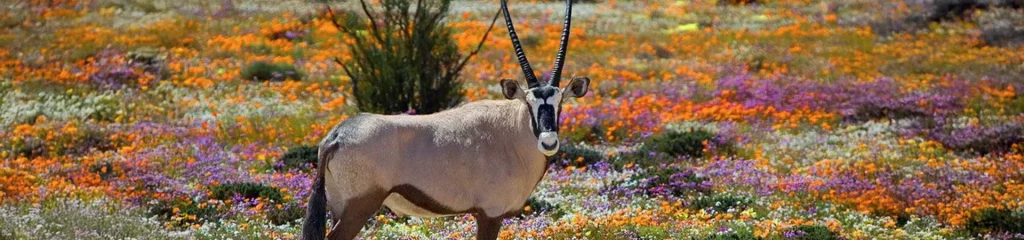
A Season of Renewal, Wonder and Wild Surprises There’s something quietly magical about spring in Africa. The earth exhales after the cool, dry months; landscapes burst into colour and life; and wildlife greets the season with tiny new arrivals. From carpets of wildflowers that ripple across South Africa’s west coast to the gentle splash of whale sharks gliding through Mozambique’s turquoise waters, spring is a season of contrasts. Spring in Africa is tender and full of promise, a season that whispers rather than shouts, inviting you to lean in, slow down and see nature’s quiet miracles unfold Baby Mountain Gorillas in Uganda In the emerald forests of Bwindi Impenetrable National Park, spring brings a tender kind of wonder. While mountain gorillas don’t have a single fixed birthing season, many infants are born around the time when food is most plentiful. By September and October, the forest is lush after the long rains, offering ample forage for nursing mothers and plenty of opportunities for visitors to glimpse tiny new arrivals Encountering gorillas is always profound, but seeing a mother gently cradle her infant or watching a wide-eyed youngster cling to her back is something else entirely. These baby gorillas, weighing barely two kilograms at birth, grow quickly. Curious, playful and often tumbling around, they stay under the watchful eye of a silverback. Each trekking permit purchased helps to fund the protection of these critically endangered primates and the communities that share their home. It’s a reminder that by stepping softly into their world, you become part of their survival story. Best time to go: September to November offers lush scenery, fewer tourists and a good chance of seeing gorilla families with infants. Travel tip: Trekking can be muddy in spring so pack sturdy boots and gloves. Hiring a porter not only helps on steep trails but also supports local livelihoods. Namaqualand & West Coast Flowers Every year, as winter loosens its grip, something extraordinary happens along South Africa’s west coast. The arid landscapes of Namaqualand, so often thought of as scrubby and stark, transform into one of the world’s greatest natural flower shows From late August through September, the fields seem to forget themselves. Suddenly, they explode into rolling carpets of colour – orange daisies, delicate pink vygies, and golden gousblom – all turning their faces to the sun. It’s an annual spectacle so fleeting that the locals call it “flower season” with a kind of reverence, knowing how quickly it comes and goes. The West Coast National Park, just a stone’s throw from Cape Town, has its own secret: the Postberg section, closed for most of the year, opens only during flower season. Here, antelope graze against a backdrop of blooms, and the Atlantic shimmers just beyond, reminding you that in South Africa, beauty always arrives in layers. What makes this even more special is the way the flowers respond to light. They only open fully when the sun is shining, which means every day’s display is unique. You might walk a trail one morning and return in the afternoon to a completely different palette. Best time to go: Mid-August to late September, with peak viewing usually in early September (depending on rainfall). Travel tip: Follow the sun! The flowers open as the light moves across the sky, so plan to travel west to east during the day for the most dazzling displays. Whale Sharks in Mozambique Off the coast of Mozambique, spring marks the beginning of one of the ocean’s most extraordinary gatherings. From October through February, plankton-rich waters draw in the world’s largest fish, the gentle, spotted whale shark. Places like Tofo Beach and the Bazaruto Archipelago are among the best in the world to swim alongside these giants. Often stretching up to 12 metres, whale sharks are filter-feeders, cruising slowly with mouths wide open to sieve out plankton and tiny fish. Sharing the water with them is a humbling experience: no rush, no frenzy, just the silent rhythm of a giant moving effortlessly through the blue. This migration is more than a spectacle; it’s a vital opportunity for conservation. Local operators partner with marine researchers, encouraging travellers to photograph the unique spot patterns on each shark’s flank. These images are uploaded to global databases, helping scientists track individuals across oceans and deepen our understanding of their movements. In this way, every encounter adds to the larger story of whale shark survival. Best time to go: October to February, when sightings are at their most reliable. Travel tip: Choose an operator committed to ethical marine tourism (respectful distances, no touching, reef-safe sunscreen) to ensure that these encounters protect the very creatures you’ve come to admire Southern Tanzania Safaris For travellers seeking the thrill of a true wilderness without the crush of crowds, spring in southern Tanzania is a revelation. While the Great Migration draws thousands north to the Serengeti, the vast, untamed parks of the south – Ruaha, Katavi, and Nyerere (formerly Selous) – remain quietly magnificent. September and October mark the tail end of the dry season here. Waterholes shrink, rivers run low, and wildlife congregates in great numbers, making sightings both dramatic and intimate. In Ruaha, elephant herds gather along the Great Ruaha River; in Katavi, hippos pack into dwindling pools and lions patrol the plains; while Nyerere offers a rare chance to combine game drives with boat safaris, gliding silently past pods of hippo and basking crocodiles. What sets these parks apart is their sense of solitude. It’s not unusual to spend hours on safari without seeing another vehicle. Every encounter feels personal. Whether it’s a leopard draped in the branches of a sausage tree or a herd of buffalo raising a cloud of dust as they move across the savannah. Best time to go: September to October, when wildlife is concentrated and before the short rains arrive. Travel tip: With fewer lodges than in the north, accommodation here is often small and characterful, adding to the sense of exclusivity. Early booking is key, especially for Katavi, which only a
5 Unforgettable wildlife encounters
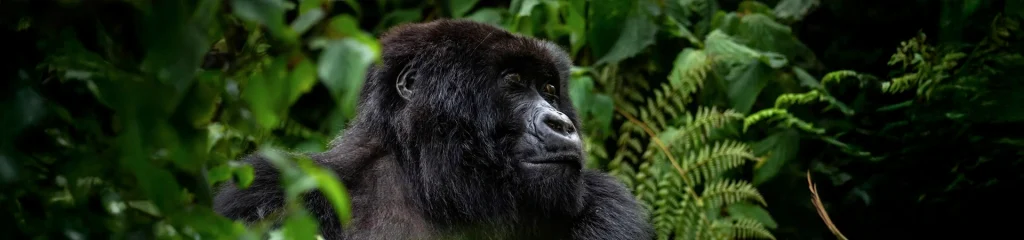
That Help Protect Africa’s Wild Places Travel that gives you goosebumps and gives back When eco‑tourism is done right, every sighting tells a bigger story. A quiet moment with a mountain gorilla helps fund rangers and community projects. A dawn walk with Maasai guides sustains wildlife corridors and family livelihoods. A gentle glide beside a whale shark turns into real data for scientists fighting to keep our oceans wild. This guide brings together five extraordinary, conservation‑positive encounters in East and Southern Africa – the kinds of experiences our Hassle‑free Africa travellers love because they’re both soul‑stirring and purpose‑driven. Think small‑group, low‑impact, high‑meaning; the kind of safaris that leave a light footprint and a long‑lasting legacy. Pack comfortable shoes and an open heart because we’re going deep. https://www.hasslefreeafrica.com/wp-content/uploads/2025/08/HFA-Top5WildlifeEncounters_BlogStory10_V1.mp4 Encounter #1: Gorilla Trekking in Rwanda’s Volcanoes National Park High on the slopes of the Virunga Mountains, where the air is cool and the mist curls through giant lobelias, lives one of the planet’s most extraordinary and fragile treasures: the mountain gorilla. There are fewer than 1,100 mountain gorillas left in the wild, and roughly a third of them live in Rwanda’s Volcanoes National Park. Every single visit here is tightly controlled. Not just to protect the gorillas, but to ensure that your presence makes a tangible difference. A limited number of trekking permits are issued each day, and the bulk of the fee goes directly to conservation. That means your once-in-a-lifetime encounter helps fund anti-poaching patrols, veterinary care, and ongoing research. It’s not just the gorillas who benefit. A portion of each permit fee supports surrounding communities by funding schools, health clinics, and small businesses.The result? Locals have a vested interest in protecting gorillas, creating one of the world’s most successful examples of community-driven conservation. Your trek will likely begin in the early morning, accompanied by experienced trackers and park rangers. The hike can take anywhere from 30 minutes to several hours, winding through thick rainforest and bamboo groves until you hear the rustle tha tmakes your heart leap. Then, you’ll spend a magical, humbling hour watching a gorilla family go about their day with silverbacks standing sentinel, juvenile stumbling in play, mothers cradling tiny infants. Best time to go: June to September and December to February, when the trails are drier and hiking is easier. Eco-tip: Hire a local porter even if you don’t need help with your backpack (the fee supports families and provides alternative livelihoods that reduce pressure on park resources). Encounter #2: Rhino Tracking on Foot in Namibia’s Damaraland In the rugged, ochre-hued wilderness of Damaraland, the horizon seems endless, the air tastes of dust and freedom, and the ground holds ancient stories in every track. Here, in one of Africa’s last great frontiers, lives the world’s largest population of free-roaming black rhinos – and you have the rare chance to meet them on their terms. This is no ordinary safari. You’re not in a vehicle, idling quietly while wildlife passes by. Instead, you lace up your boots and set out on foot, following the knowledge of local trackers from the Save the Rhino Trust (SRT). These skilled men and women read the landscape like a living book; decoding the shape of a spoor, the angle of a broken twig, the faintest whiff on the wind. They guide you, slowly and respectfully, toward these remarkable desert-adapted giants. Every step you take is part of the bigger conservation picture. Your tracking fees directly support SRT’s anti-poaching patrols and monitoring efforts. These rhinos live outside national parks, roaming unfenced wilderness where their survival depends on community stewardship. By giving value to living rhinos through tourism, you help ensure they remain worth more alive than dead. The experience itself is exhilarating. Sometimes hours of patient tracking, sometimes a sudden moment when you round a rocky outcrop and see that unmistakable silhouette against the sky. The thrill of standing quietly, watching a black rhino browse in the wild, is matched only by the deep sense of connection to a landscape that is both harsh and profoundly alive. Best time to go: May to October, during the dry season when tracking is easier and wildlife congregates near scarce water sources. Eco-tip: Travel light, carry plenty of water, and follow your guide’s lead. They’ll know how close is safe for both you and the rhinos. Encounter #3: Whale Shark & MantaRay Conservation in Mozambique’s Tofo If the savannah is Africa’s heartbeat, then Mozambique’s Tofo Beach is where its pulse slows to a languid, sunlit rhythm. Here, warm Indian Ocean currents meet rich plankton blooms, creating a year-round buffet for some of the sea’s most graceful giants: whale sharks and manta rays. Rather than being a passive observer, you can join a team of marine researchers and conservationists who are actively working to understand and protect these species. Operators like Marine Megafauna Foundation and local dive schools offer snorkel or dive trips where every sighting is logged. Photographs of a whale shark’s unique spot pattern, for example, are uploaded to global databases to track individuals across oceans. Manta rays are identified by their belly markings, with each encounter adding valuable data to long-term studies. The beauty of this eco-experience is that your holiday becomes part of the science. Whale sharks, the world’s largest fish, can grow up to 12 metres long, yet they feed only on tiny plankton. Manta rays, with their five-metre wingspans, glide as if flying through liquid sky. Sharing the water with them is a deeply humbling experience. There’s no touching, no chasing, just a quiet awe as they pass within arm’s reach. Tourism here plays a crucial role in protecting marine life. Healthy reef ecosystems and abundant megafauna attract divers from around the world, giving local communities a strong incentive to conserve rather than exploit. Your visit supports livelihoods built on the ocean’s continued vitality. Best time to go: Whale sharks can be seen year-round, but peak sightings are from October to March. Manta rays are more common from November
Beyond the game drive
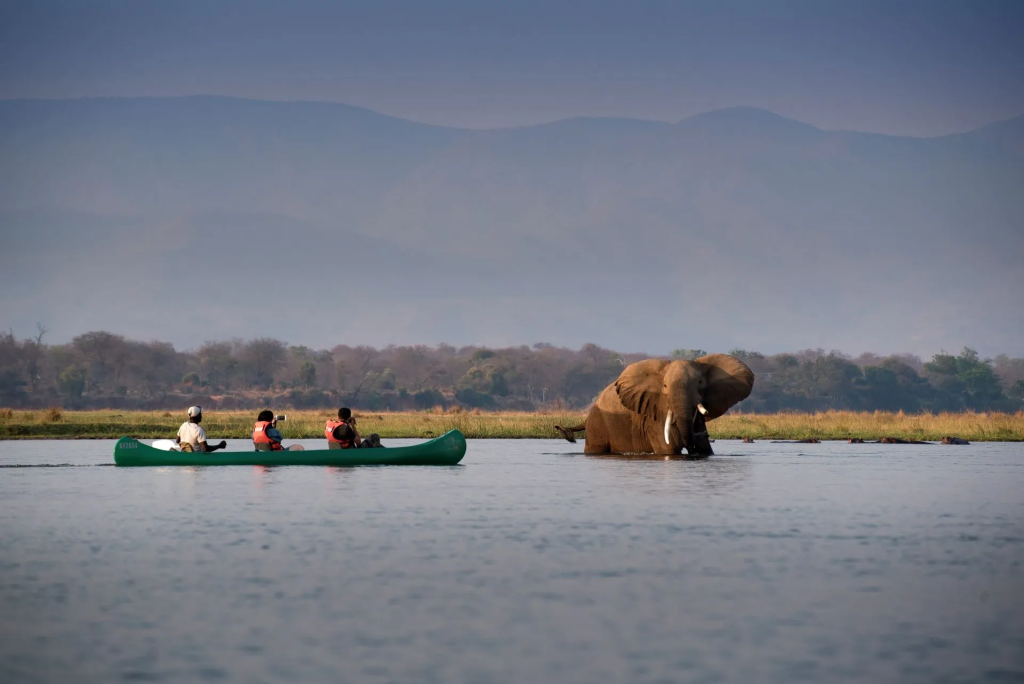
The Best Safari Excursions in Africa (and Where to Find Them) Safari, Reimagined For many, the idea of safari begins and ends with a game drive: lions in the grass, leopards in trees, and your ranger expertly tracking paw prints from behind the wheel. And while that remains iconic for good reason, the truth is, there’s so much more to experience in Africa beyond the vehicle. Today’s luxury travellers are seeking more than sightings. They’re craving depth, perspective, and moments that connect them to Africa’s landscapes, people, and rhythm in a way that feels personal and unfiltered. Think: the hush of a mokoro ride at dawn, a quiet walk beside a Maasai elder, or drifting silently past hippos from the seat of a canoe. In this guide, we share the most unforgettable safari excursions in Africa—and exactly where to go for the best of each. Whether you’re planning your first trip or your fifth, these experiences go beyond the expected and into something far more magical. Walking Safaris – Get Closer to the Wild There’s something quietly thrilling about stepping out of the vehicle and into the bush. No engine, no barrier- just your senses, your guide, and the slow rhythm of the wilderness. Walking safaris are about presence:noticing the spoor in the sand, the alarm calls of birds, the scent of crushed wild sage beneath your boots.It’s Africa, felt in your bones. Here are three of the best places to experience walking safaris, each offering a different flavour of wild: 1. Madikwe, South Africa: Malaria-free and majestic In South Africa’s Madikwe Game Reserve, guided bush walks offer a gentle yet immersive way to experience a Big 5 wilderness. It’s one of the country’s lesser-known gems – malaria-free, beautifully scenic, and ideal for families or first-timers wanting a soft introduction to walking safaris. Walks are led by experienced guides who focus on the smaller, fascinating details – tracks, insects, medicinal plants, and birdlife – while keeping an eye out for larger game. And after your walk? Return to a chilled drink, a private plunge pool, and a fire crackling at your luxury lodge. 2. Okavango Delta, Botswana: The classic Mokoro & Walk combo In the Okavango Delta, walking safaris are often paired with another deeply peaceful experience: themokoro. These traditional dugout canoes glide silently through reed-lined channels, before dropping you off for a guided bush walk on one of the Delta’s islands. This is walking safari in its purest form – wild, remote, and wonderfully off-grid. With a top professional guide at your side, you might follow elephant paths, observe lechwe in the marshes, or pause under a baobab tree and simply listen to the pulse of the wild. 3. Masai Conservancies, Kenya: Walk the land with its keepers For a walking safari rich in story, culture, and meaning, there’s nothing quite like a guided walk with the Masai in Kenya’s private conservancies. In places like the Porini Camps, you can explore the savannah alongside local Masai guides who know every plant, sound, and track like a second language. These walks are less about adrenaline, more about connection – to the land, to tradition, and to your place within it. It’s a grounding, graceful way to begin or end a safari day – and one that many travellers remember most. Cultural Encounters – Meet Africa’s Storytellers A safari isn’t just about wildlife – it’s about place, people, and perspective. For travellers who want to understand the stories behind the landscapes, cultural experiences offer a meaningful layer to any African adventure. These aren’t staged performances or quick photo ops – they’re respectful, community-based encounters that bring you into the heart of local life. Here are two of the most enriching places to connect with Africa’s people in ways that are authentic, engaging, and deeply human: 1. Hwange, Zimbabwe: Community Tourism with heart At the edge of Zimbabwe’s largest national park, Hwange, lies a network of vibrant communities that have coexisted with wildlife for generations. Several safari lodges here (particularly those involved with initiatives like Children in the Wilderness or Imvelo’s community programmes) offer genuine opportunities to engage with local villages, schools, and conservation projects. Guests might visit a rural homestead, learn about local traditions, or meet young learners at a nearby school supported by tourism. It’s a window into daily life – and a reminder of how sustainable travel can uplift and empower. 2. Masai Communities, Kenya: Stories shared in the shade The image of the Masai warrior is iconic, but what’s often missing is the depth behind the symbolism. In Kenya, especially when travelling with trusted partners like Gamewatchers Safaris and Porini Camps, cultural visits are not a side activity – they’re an integral part of your stay. Spend time with Masai elders, hear stories passed through generations, learn about beadwork, traditional medicine, or rites of passage. Many conservancies are co-managed with Masai communities, so every conversation, every walk, supports land stewardship and economic resilience. WHY IT MATTERS These cultural encounters aren’t about ticking a box – they’re about listening, learning, and acknowledging that the people of Africa are every bit as integral to the safari as the wildlife. For many travellers, it’s these conversations that linger long after the last game drive. Game Drives – The Classics, Perfected Game drives are the beating heart of most safaris – and for good reason. There’s something undeniably thrilling about cresting a ridge in the early morning light and locking eyes with a lion, or pulling up beside a herd of elephants quietly feeding under an acacia tree. But not all game drives are created equal. At Hassle-free Africa, we guide travellers to destinations where game drives are more than a checklist -they’re immersive, personal, and often spectacularly scenic. These three parks elevate the traditional safari drive into something unforgettable: 1. Mana Pools, Zimbabwe: Wild, free, and off-the-grid In Mana Pools, game drives are anything but conventional. Here, experienced guides are allowed to drive off-road and approach game on foot, offering
Africa Beyond the Obvious
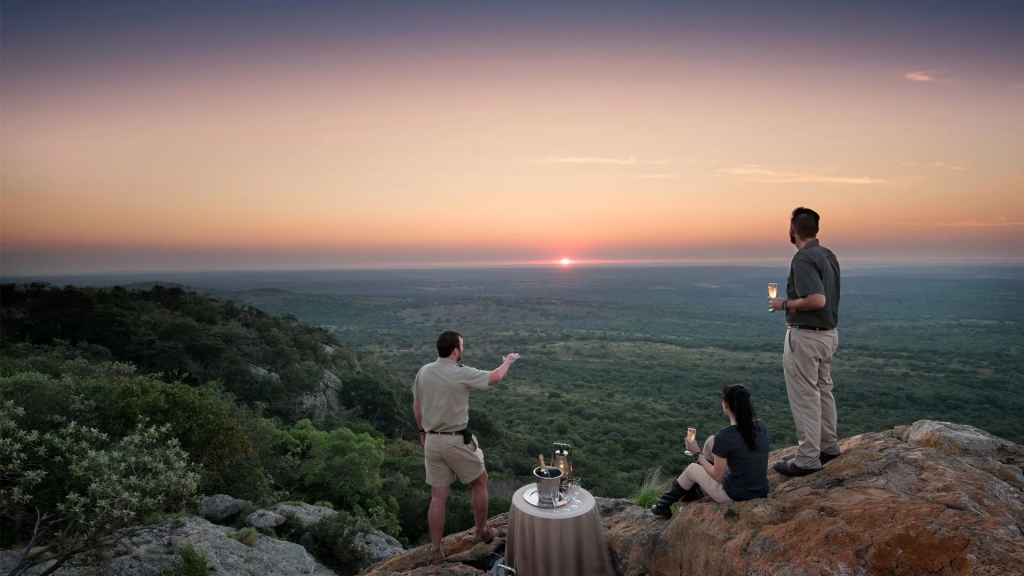
Hidden Gems for Your Last-Minute Holiday So, you’ve missed the window for the Great Migration – now what? The Mara camps are packed, the big-name reserves are booked, and suddenly everyone and their safari hat seems to be in East Africa. But here’s the good news: there’s still time to experience Africa at its finest – just not where everyone else is going. This is your invitation to explore a different side of Africa: the quiet corners, the wild treasures, the lesser-known destinations that offer every bit as much magic – just without the crowds. Think misty mountains, golden savannahs, barefoot beach lodges, and river safaris where yours is the only boat in sight. From Mozambique’s dreamy coastlines and Zambia’s uncrowded national parks to South Africa’s warmer winter escapes, these are the last-minute holidays that prove Africa’s best-kept secrets are still very much open – and just waiting to be discovered. Let’s explore five unforgettable places where you can still find sunshine, safari, and soul this summer. 01. Mozambique – Beach Bliss and Wilderness Revival If you’re craving sun-warmed sands, castaway luxury, and a safari experience that feels deeply authentic, Mozambique delivers all that – and then some. Far from the crowds of East Africa’s migration routes, Mozambique offers an intoxicating blend of barefoot beach romance and wild, soul-stirring landscapes. Bazaruto Archipelago: Indian Ocean Magic Mozambique’s coast is at its most dazzling in winter, with long sunny days, minimal rainfall, and warm turquoise waters. The Bazaruto Archipelago – a cluster of islands off Vilanculos – is home to some of the most exclusive beach lodges in Africa. Think: palm-fringed beaches, dhow cruises at sunset, and private villas with plunge pools just steps from the sea. For high-end travellers seeking tranquillity, Azura Benguerra and Azura Marlin Beach are honeymoon-worthy hideaways offering exceptional service, fresh seafood feasts, and just the right amount of indulgence. Gorongosa – Safari with heart and soul Looking for something more untamed? Pair your island escape with a safari in Gorongosa National Park – Mozambique’s great conservation comeback story. Once devastated by war, this park has become a global model for ecological restoration and community engagement. It’s also incredibly beautiful, uncrowded, and bursting with wildlife during the dry winter months. Stay with the Gorongosa Safari Company in intimate tented camps that bring you close to nature while offering thoughtful touches and warm hospitality. Expect elephants, lions, rare antelope, and exceptional birdlife – plus the chance to support a destination where tourism truly makes a difference. Why Mozambique now? Dry season: best game viewing and island weather Under-the-radar: fewer travellers, more serenity Easy combinations: bush + beach in one seamless journey Whether you’re chasing the sun, the silence, or a safari with purpose, Mozambique is Africa’s best-kept secret for last-minute travellers who want it all. 02. Zambia & Zimbabwe – Under-the- Radar Safari Greats If you’re yearning for a real-deal safari – one without the selfie sticks and traffic jams – then Zambia and Zimbabwe are where the wild things still roam, quietly. These two neighbouring countries offer some of Africa’s most rewarding game experiences, guided by some of the most skilled naturalists on the continent… and yet they remain blissfully uncrowded, even in high season. Zambia: Walk on the wild side In Zambia, it’s all about intimacy with nature. South Luangwa National Park is considered the birthplace of the walking safari, and today still delivers spectacular sightings on foot and by vehicle. Think leopards slinking through riverine woodland, elephants dust-bathing under winter skies, and campfire stories under a thousand stars. The Lower Zambezi is equally unforgettable, with canoe safaris, riverside lodges, and boat-based wildlife watching that feels like a dream. Many camps here are owner-run, ultra-personalised, and effortlessly luxurious. Zimbabwe: Quiet icons and Grand Falls Meanwhile, Zimbabwe offers all the wow factor with none of the queues. Hwange National Park, with its huge elephant herds and exceptional guiding, is perfect for classic game viewing in a quieter setting. And Mana Pools, a UNESCO World Heritage Site, is beloved by safari purists for its raw beauty and canoe-based safaris along the mighty Zambezi. Round off your adventure with a stay at Victoria Falls – where you can bungee, boat, or simply sip champagne above the spray. It’s the ideal end to a last-minute trip that still feels five stars. Why Zambia & Zimbabwe now? July–September is peak safari season, but without migration-level crowds Unrivalled walking and canoe safaris Expert guides, charming camps, and incredible value for luxury If you’re craving wild Africa – with elegance, adventure, and breathing room – Zambia and Zimbabwe are summer’s unsung safari heroes. 03. South Africa’s Garden Route – Green, Gorgeous & Family-Friendly If you’re looking for a trip that blends coastal charm, forested adventures, and culinary delights – with enough flexibility to suit families or last-minute travellers – the Garden Route ticks every box. Stretching along South Africa’s southern coast, this lush, scenic corridor is tailor-made for leisurely road trips, romantic retreats, or multi-gen holidays. Not summer, but still stunning Let’s be honest: it’s winter in the Southern Hemisphere. But while Cape Town may be wrapped in a scarf and dreaming of spring, the Garden Route enjoys a gentler climate – think crisp mornings, sunny afternoons, and a golden-hued light that makes every landscape pop. You’ll want a jacket, but you’ll also want your camera. Whales, wine and wonder This time of year is whale-watching season, especially around Plettenberg Bay and Knysna. It’s also a beautiful time to explore the region’s forests, beaches, and boutique wine estates without the usual bustle. Add in a few canopy tours, ocean safaris, and art galleries – and you’ve got a crowd-pleasing escape with a relaxed, luxurious feel. For those seeking family-friendly lodges, private villas, or cozy hideaways with fireplaces and mountain views, the Garden Route delivers in spades. Why the Garden Route now? Whale season: marine magic without the masses Shoulder season: better rates, fewer people Ideal for self-drives, couples, or multigenerational families
Mozambique Honeymoons
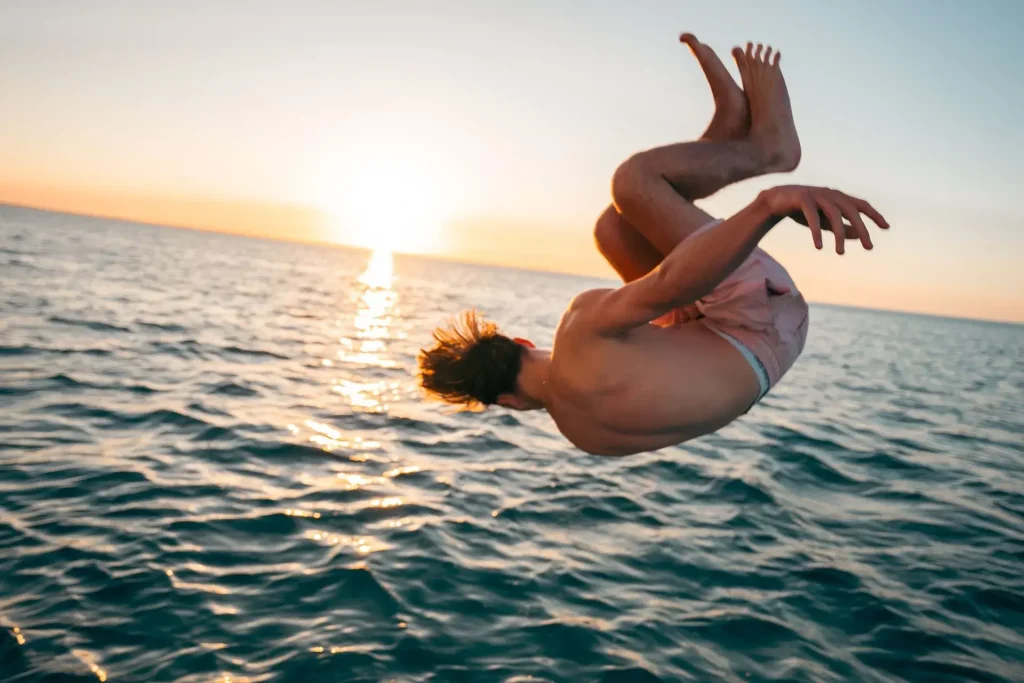
The Ultimate Bush & Beach Escape Planning your honeymoon and craving something more than the usual postcard-perfect clichés? If your idea of romance includes private islands, barefoot luxury, and wild heartbeats under African skies – Mozambique might just be your perfect match. This often-overlooked gem on Africa’s southeast coast offers a honeymoon experience unlike any other: think white-sand beaches fringed by turquoise waters, dhow cruises at sunset, and candlelit dinners with your toes in the sand. And just when you think it couldn’t get more magical – add a safari into the mix. Mozambique’s dreamy coastline pairs beautifully with two wildly different, equally unforgettable safari experiences: the iconic Kruger National Park in neighbouring South Africa, and the soulful, untamed wilderness of Gorongosa National Park. Whether you’re tracking lion on a morning game drive or snorkelling above coral reefs by afternoon, this is bush and beach honeymoon perfection at its finest. In this guide, we’ll take you through the best destinations, experiences, and luxury stays—from island hideaways to intimate safari camps – for couples seeking something extraordinary. Let’s dive into the magic of a luxury honeymoon in Mozambique… Bazaruto & Benguerra – Island Bliss inthe Indian Ocean Welcome to Mozambique’s most romantic secret: a string of islands so stunning, they feel like they were created just for honeymoons. Located off the coast of Vilanculos, the Bazaruto Archipelago is where sugar-soft sand meets bath-warm turquoise waters—and where luxury, intimacy, and nature blend effortlessly. AZURA BENGUERRA: BAREFOOT LUXURY AT ITS BEST For couples looking for a truly exceptional Mozambique honeymoon, it’s hard to beat Azura Benguerra. Tucked into a protected marine national park, this eco-chic retreat offers secluded beachfront villas complete with private pools, open-air showers, and personal butlers who appear (and vanish) like magic. You can spend your days snorkelling vibrant reefs, sailing on a traditional dhow at sunset, or indulging in spa treatments beneath swaying palms. Want a champagnepicnic on a deserted sandbar? They’ll pack one for you. This is designed for romance, slow days, and connection. AZURA MARLIN BEACH: LAID-BACK ROMANCE WITH LUXE FLAIR Just around the island is Azura Marlin Beach, a vibrant and stylish alternative with a youthful spirit and equally dreamy setting. With only a handful of villas nestled along a sweeping stretch of sand, it’s intimate without feeling overdone—perfect for newlyweds who want luxury with personality. Here, the pace is blissfully unhurried. Float in the warm sea, sip cocktails under the stars, and enjoy seafood feasts by candlelight. It’s easy to see why this part of the world is fast becoming one of the most sought-after romantic beach resorts in Mozambique. Whether you choose one island or both, the Bazaruto & Benguerra duo delivers a beach escape that’s equal parts luxurious and wildly romantic. And the best part? You can pair it with a safari for the ultimate beach and safari honeymoon in Africa. Gorongosa – Mozambique’s Wild Heart If you’re looking for a honeymoon experience that goes beyond luxury and into the realm of meaningful travel, Gorongosa National Park will steal your heart. Tucked into central Mozambique and lovingly restored after years of conflict, Gorongosa has transformed into one of Africa’s most inspiring conservation success stories—and one of its most soul-stirring safari destinations. A SAFARI THAT TELLS A STORY Unlike more trafficked reserves, Gorongosa feels raw, authentic, and deeply alive. You won’t just spot wildlife—you’ll feel part of something bigger. Herds of elephant roam freely through the park’s lush floodplains, lion stalk the tall grass, and birdlife flourishes in every direction. This is wild Africa, gently reawakening. Staying here offers a different kind of luxury—thoughtful, understated, and deeply connected to place. The team at Gorongosa Safari Company offers two beautifully designed lodges: Muzimu, a six-tent riverside camp with canvas walls and mountain views, and Wild Camp, a secluded fly-in outpost for couples seeking total immersion and privacy. A HONEYMOON WITH PURPOSE What makes Gorongosa special for honeymooners isn’t just the wildlife—it’s the feeling that your stay has impact. The park’s conservation and community projects are world-renowned, and every guest directly supports them. You can visit the park’s research centre, meet local guides trained through Gorongosa’s programmes, or simply soak in the quiet knowledge that your honeymoon is helping something thrive. This is safari with soul—a place for adventurous, curious couples who want meaning woven into their luxury. For a Mozambique honeymoon that leaves you changed, Gorongosa is unforgettable. Kruger – Iconic Big 5 Adventure If you’re dreaming of lions at sunrise, bubble baths under the stars, and safari lodges that redefine luxury, South Africa’s Kruger National Park delivers it all—with polish, professionalism, and just the right amount of wild. One of Africa’s most famous safari destinations, Kruger is an easy and unforgettable addition to your Mozambique honeymoon itinerary. TANDA TULA: REFINED ROMANCE IN THE WILD Nestled in the heart of the Timbavati Private Nature Reserve, Tanda Tula offers a safari experience that’s as elegant as it is immersive. This is no ordinary honeymoon lodge – here, you’ll find beautifully appointed tented suites, private decks overlooking the bush, outdoor showers, and thoughtful touches at every turn. Days at Tanda Tula follow the gentle rhythm of the wild: wake to birdsong and coffee brought to your suite, then set off on a sunrise game drive in search of the Big 5. Afternoons are for lazing by the pool, enjoying couples massages, or watching wildlife wander by. As dusk falls, a candlelit dinner awaits – served under the stars, in the heart of the African bush. WHY KRUGER MAKES THE PERFECT PAIRING Kruger isn’t just a luxury safari destination—it’s a perfect springboard to the coast. Direct regional flights connect Kruger to Vilanculos, your gateway to the Bazaruto and Benguerra islands. That means you can go from thrilling game drives to barefoot beach bliss in just a few hours, with zero fuss. For couples who want both high-end safari adventure and relaxed island indulgence, combining Kruger and Mozambique is a match made in honeymoon heaven. A Honeymoon That’s
Top 3 Luxury African Honeymoon Routes
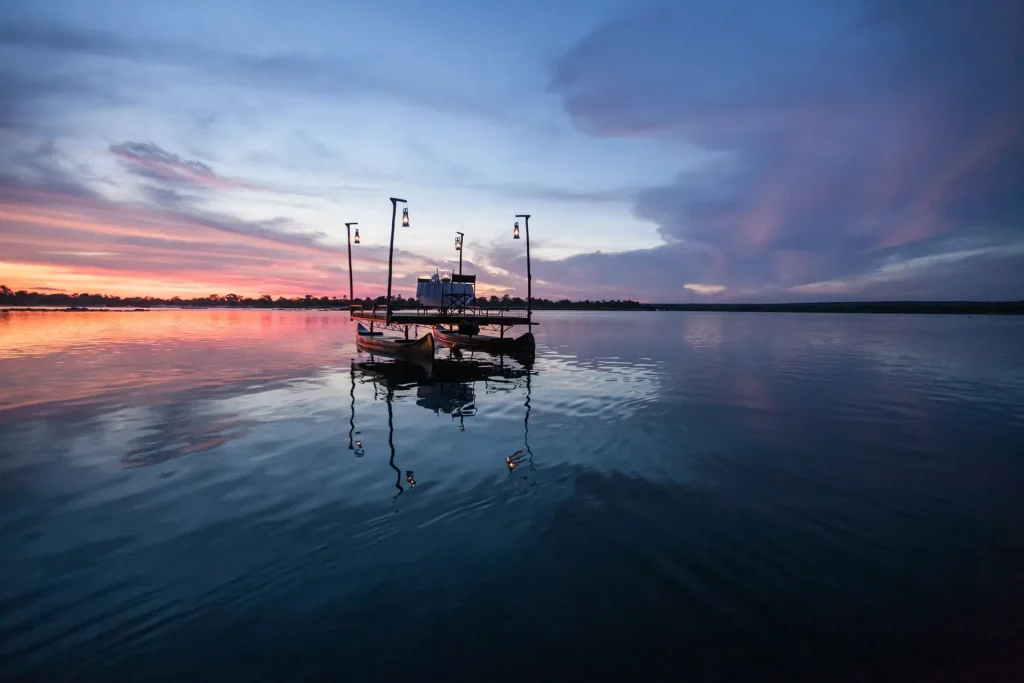
Romantic safari adventures Planning a honeymoon should feel just as magical as the big day itself—and if your idea of romance includes golden sunsets, candlelit dinners in the bush, and falling asleep to the sounds of the wild, then Africa might just be your perfect destination. Whether you’re sipping champagne on a private island off the Kenyan coast, floating silently through Botswana’s Okavango Delta, or watching lions roam the plains from your plunge pool in South Africa, these three luxury African honeymoon routes deliver unforgettable experiences for discerning couples who want more than just the ordinary. In this blog, we explore three handpicked itineraries designed with love (and a bit of insider safari wisdom). From the bush to the beach, from world-class lodges to jaw-dropping landscapes—each route is a love story in the making. Route 1: Kenya – Wild Hearts & Coastal Calm SAMBURU → MERU GAME RESERVE → THE SANDS AT CHALE ISLAND For couples dreaming of a luxury African honeymoon that combines raw wilderness, cultural richness, and dreamy beachside bliss, this route through Kenya is nothing short of magical. It’s the perfect blend of safari adventure and coastal romance, ideal for those who want to fall in love with Africa—and each other—over and over again. SAMBURU: RUGGED ROMANCE IN THE NORTH Remote, dramatic, and wonderfully untamed, Samburu National Reserve is a honeymooner’s dream for those who prefer their luxury with a side of wild. This is where Africa feels gloriously off the grid—rolling hills, dusty golden light, and palm-fringed rivers alive with elephants, lions, and the rare “Samburu Special Five” (Grevy’s zebra, Somali ostrich, Beisa oryx, reticulated giraffe, and gerenuk). High-end lodges here offer all the romantic touches: private plunge pools, open-air bathtubs, candlelit bush dinners, and panoramic views straight from your king-size bed. Imagine toasting your first days of married life with chilled bubbles as elephants wander by below. MERU: THE QUIET HEART OF KENYA Next up, head east to Meru National Park—a lush, lesser-known paradise that’s big on intimacy and rich in history (this is where Elsa the lioness of Born Free fame once roamed). It’s green, wild, and gloriously crowd-free—perfect for couples craving connection, both to each other and to nature. Romantic lodges in Meru blend into the landscape with understated elegance: think open-air verandas, flickering lanterns, and attentive staff who know just when to appear (and disappear). Game drives here are all about surprises—from big cats to shy rhino, to birdsong echoing across the valleys. THE SANDS AT CHALE ISLAND: YOUR CASTAWAY ENDING And finally… barefoot bliss. After your safari adventure, head south to The Sands at Chale Island for some serious coastal downtime. This private island off Kenya’s coast is a little slice of paradise wrapped in turquoise sea and whispering palms. Whether you’re soaking in a tub-for-two under the stars, getting a couple’s massage in a treehouse spa, or simply floating together in warm Indian Ocean waters, Chale Island is where wild hearts come to rest. It’s romantic, relaxed, and rich in Swahili charm—just the way a Kenya honeymoon safari should end. Route 2: South Africa – Chic City Meets Big 5 Thrills KRUGER NATIONAL PARK → CAPE TOWN If your idea of a luxury African honeymoon includes heart-pounding wildlife encounters, designer cocktails with a view, and world-class wine in between, South Africa’s Kruger-to-Cape route might just be your perfect match. It’s a seamless blend of safari adventure and cosmopolitan charm—ideal for couples who want it all. KRUGER: SAFARI IN STYLE Start your journey deep in the African bush, where the legendary Kruger National Park delivers unforgettable Big 5 sightings paired with ultra-luxurious safari living. Here, it’s not unusual to be sipping Amarula from your private plunge pool as a parade of elephants strolls by below. This is romance, African-style. South Africa’s private game reserves—such as Sabi Sand and Timbavati—offer some of the finest luxury safari lodges in Africa, with everything from outdoor showers and open-air suites to private butlers and fine dining under the stars. Daily game drives bring you eye-to-eye with lions, leopards, rhinos and more, while spa treatments and sunset G&Ts round out the rhythm of your wild, wonderful days. CAPE TOWN : ROMANCE BY THE SEA From wild bush to coastal chic, fly south to Cape Town—a city that will sweep you off your feet with its sheer beauty and irresistible energy. Nestled between mountains and sea, Cape Town is where you trade khaki for something a little more cosmopolitan. Stay in stylish boutique hotels or luxury waterfront suites with views of Table Mountain. Take the cable car to the top for a sunset kiss above the clouds, stroll hand-in-hand through the colourful Bo-Kaap, and hop over to the Cape Winelands for a lazy afternoon of wine tasting under ancient oaks. There’s no shortage of adventure either: kayak with dolphins, hike Lion’s Head, or enjoy a picnic on the beach with a chilled bottle of bubbly. For couples wanting a honeymoon in Africa that offers both wilderness and world-class culture, South Africa ticks every box. Route 3: Botswana & Victoria Falls – Water, Wonder & Wild Romance OKAVANGO DELTA → MAKGADIKGADI PANS → CHOBE → VICTORIA FALLS For honeymooners craving exclusivity, breathtaking landscapes, and soul-stirring moments, this luxury African honeymoon through Botswana and Victoria Falls offers something truly extraordinary. It’s a journey that feels like stepping into a dream— one where water, wildlife, and wonder take centre stage. OKAVANGO DELTA: FLOATING THROUGH PARADISE Begin in the enchanting Okavango Delta, a UNESCO World Heritage Site and one of the most unique ecosystems in the world. This lush, seasonal floodplain is teeming with wildlife—and best explored in silence aboard a mokoro (dugout canoe), gliding past papyrus reeds as lechwe leap through the shallows and elephants splash in the distance. Luxury camps here are the definition of “wild romance”—think stilted suites set above water channels, outdoor copper tubs, and private decks where lions roar under a blanket of stars. This is where time slows down and nature sings you to
Karibu Kenya!
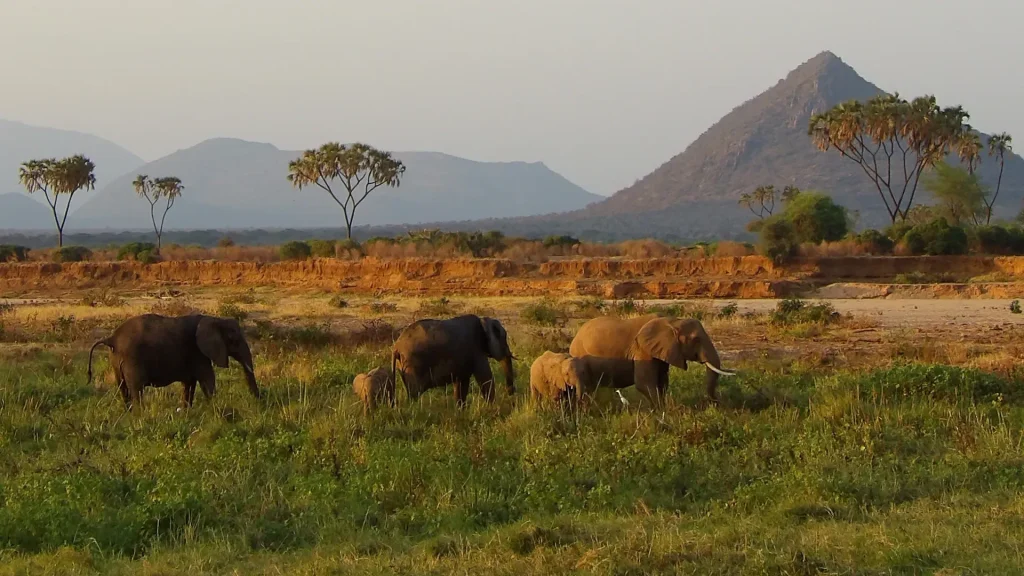
A Journey Through Kenya: Wildlife, Wonders & Whimsical Moments From the moment I landed in Nairobi at sunrise, Kenya wrapped me in its vibrant energy, warm hospitality, and untamed beauty. Over the course of 12 unforgettable days, I explored bustling cities, vast savannahs, shimmering lakes, and remote wilderness—each place offering a unique rhythm, a story to tell, and breathtaking encounters with wildlife. From lions lounging in the golden grass of the Mara to the towering presence of Kilimanjaro in Amboseli, every day felt like a new chapter in an epic adventure. Join me as I take you through the highlights of this journey—filled with awe-inspiring landscapes, intimate wildlife encounters, and the magic that makes Kenya an unforgettable safari destination. Arrival in Nairobi – February 25 Touching down in Nairobi at 7 AM, I was warmly greeted by Anthony, our cheerful driver for the day. Before leaving the airport, I grabbed a local SIM card—super easy and just $10 for 10GB of data—ensuring I could stay connected. Too early to check in, we took to the city streets, stopping at a charming café to meet our wonderful hosts, Joyce and Monica. Over rich Kenyan coffee, we chatted about the adventure ahead. A visit to their headquarters offered a behind-the-scenes glimpse into the meticulous planning of seamless safaris. By the time I checked into Sarova Panafric, a soothing spa treatment set the perfect tone for the journey. Later, as the city buzzed through rush hour, we strolled past historic landmarks and the tranquil Uhuru Park before gathering for our first group dinner—a warm welcome to Kenya. Exploring Nairobi – February 26 The day began with a morning safari in Nairobi National Park, a surreal wilderness where lions roam against the city skyline. Our first sighting? A young lioness, regally perched on a park sign, calling for her pride. The park amazed us with abundant rhinos and other incredible wildlife. Next, we visited the David Sheldrick Wildlife Trust, where orphaned elephant calves melted our hearts as they guzzled milk from oversized bottles. Then, onto the famous Giraffe Centre for an up-close (and slightly slobbery) giraffe selfie. The afternoon took us to the cultural performances at Bomas of Kenya and the historic Karen Blixen Museum, before ending the day at Carnivore Restaurant—a true feast for meat lovers! Amboseli Safari – February 27-28 After an early departure, we headed south to Amboseli, where the dreamlike scene of elephants framed by Kilimanjaro awaited. While the drive was long, spotting the snow-capped peak for the first time made it unforgettable. Our stay at Amboseli Kibo Lodge included mesmerizing game drives—herds of elephants, breathtaking birds, and Kilimanjaro’s perfect backdrop. Amboseli did not disappoint, earning a well-deserved spot on my must-visit list. Masai Mara & a Balloon Safari – March 2-4 A morning boat cruise on Lake Naivasha introduced us to pelicans, kingfishers, and a spectacular fish eagle display. Then, we were off to the legendary Masai Mara. Arriving at Enkorok Camp, we were greeted with eucalyptus-scented towels and a stunning starlit dinner. A spirited Maasai performance made for a magical evening. The next morning, a crisp 3 AM wake-up call signaled the start of our hot air balloon safari. Floating silently over the golden plains as the sun rose was pure magic—lions, hyenas, and vast herds below. After a gentle landing, we enjoyed a luxurious bush breakfast—safari perfection! Lake Nakuru & Samburu – March 5-8 Heading to Lake Nakuru, the journey itself was an adventure—vibrant villages, quirky motorbike cargo (goats and furniture included!), and bustling markets. Nakuru’s highlight? Watching synchronized pelican hunting—a fascinating display of teamwork. In Samburu, the arid landscape welcomed us with endemic wildlife like Grevy’s zebra, reticulated giraffe, and the quirky gerenuk. An intimate lion pride sighting—complete with playful cubs and the resonant calls of two magnificent males—was the cherry on top. Ol Pejeta & Sweetwaters – March 8 Our final stop, Ol Pejeta, is famed for rhino conservation. While wild sightings eluded us, we met Baraka, a blind black rhino living under careful protection. The trip ended on a high note at the luxurious Maisha Sweetwaters Camp, where we dined under the stars, reflecting on our incredible Kenyan journey. Final Thoughts on Kenya Skipping the migration? Consider a fly-in safari to Amboseli, a road trip through Naivasha and Nakuru, and an off-the-beaten-path adventure in Samburu and Meru. The landscapes, the wildlife, the warmth of the people—Kenya’s magic is undeniable. Until next time, safari njema! Ready for your Kenyan wilderness adventure? Get in Touch