


Pourquoi les meilleurs Safari africains sont prévus 12–18 mois avant
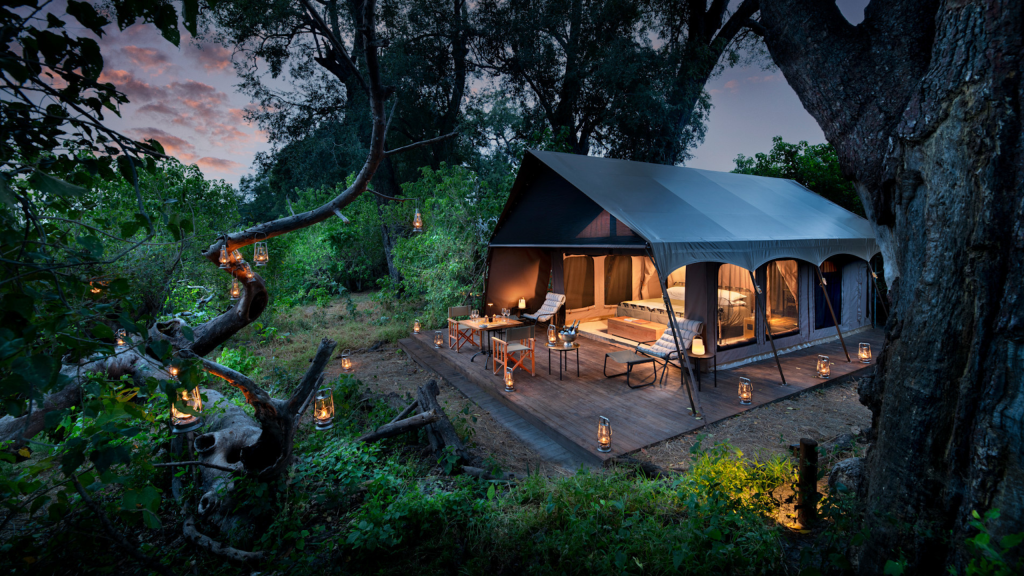
Planning Africa in 2027 Starts Now There’s a quiet rhythm to how great safaris come together, and it rarely matches the pace of everyday travel planning. While most holidays can be booked a few months out, the lodges, permits and seasons that make Africa extraordinary tend to work on a longer clock. For 2027, that clock has already started ticking. Why July Is When Next Year’s Safari Really Begins Every year, there’s a point where enquiries for the following year’s peak season start landing in earnest, and July tends to be that moment. It’s when camps begin releasing allocations for the year ahead, and when the travellers who’ve done this before quietly get in first. It’s not urgency for its own sake. It’s simply how the industry moves. By the time next year’s dry season or migration window is being widely advertised, the best rooms for it are often already gone. The Camps You Want Only Have a Few Rooms Part of what makes Africa’s finest camps so special is also what makes them hardest to book. Many of the most sought-after properties, particularly in destinations like Botswana, are intentionally small: a handful of suites, a handful of vehicles, a deliberately intimate footprint. That’s the appeal. It’s also the constraint. Gorilla Permits and the Great Migration Don’t Wait Two of Africa’s most bucket-list experiences run on their own strict calendars. Gorilla trekking permits are limited by design, with only a small number issued per day, per park, and they must be secured through a registered operator well ahead of time. Leave it too late and the trek itself isn’t in question, but the date, the family group, or the country might not be yours to choose anymore. The Great Migration is similarly unforgiving. The herds move on their own schedule, and the camps positioned to catch a crossing at its most dramatic hold only a limited number of beds for those exact weeks. Neither of these is a reason to worry. It’s simply a reason to start early. Family Rooms Go First Multi-generational and family safaris have become one of the fastest-growing ways to travel in Africa, and the inventory that supports them (like interconnecting rooms, family suites and larger tents) is often the first to disappear. A lodge might show plenty of availability for two travellers and none at all for a family of five, months before the season even begins. Why One Person Coordinating It All Makes the Difference A journey across several African countries, a few days of safari here, gorilla trekking there, a beach finish somewhere else, involves more moving parts than most travellers realise: internal flights, border logistics, permit timing, and lodge availability that all need to line up. Handled separately, it’s easy for one piece to fall out of step with the rest. Handled by someone with on-the-ground experience who’s coordinating the whole picture from the start, it becomes far simpler. That’s really the value of planning early with the right person alongside you: not just securing a room, but making sure every part of the journey, from the first flight to the final transfer, fits together the way it should. Ready When You Are None of this is about rushing a decision. It’s about giving your journey the best possible foundation while the rooms, permits, and dates you want are still available to choose from. FAQs About Planning an African Safari How far in advance should I book an African safari? For peak-season travel, particularly the Great Migration or gorilla trekking, 12 to 18 months ahead is ideal. Standard safaris generally need 9 to 12 months. Do I need to book gorilla trekking permits early? Yes. Permits are limited per day and must be arranged through a registered operator, so early booking is essential to secure your preferred dates. What’s the best time to plan a Great Migration safari? Planning around 12 months ahead gives you the best chance of securing camps positioned for the migration’s most dramatic moments. Ready to Start Planning your 2027 African journey? Get in Touch
Rwanda & Ouganda Gorilla Trekking: Tout ce que vous devez savoir avant de partir
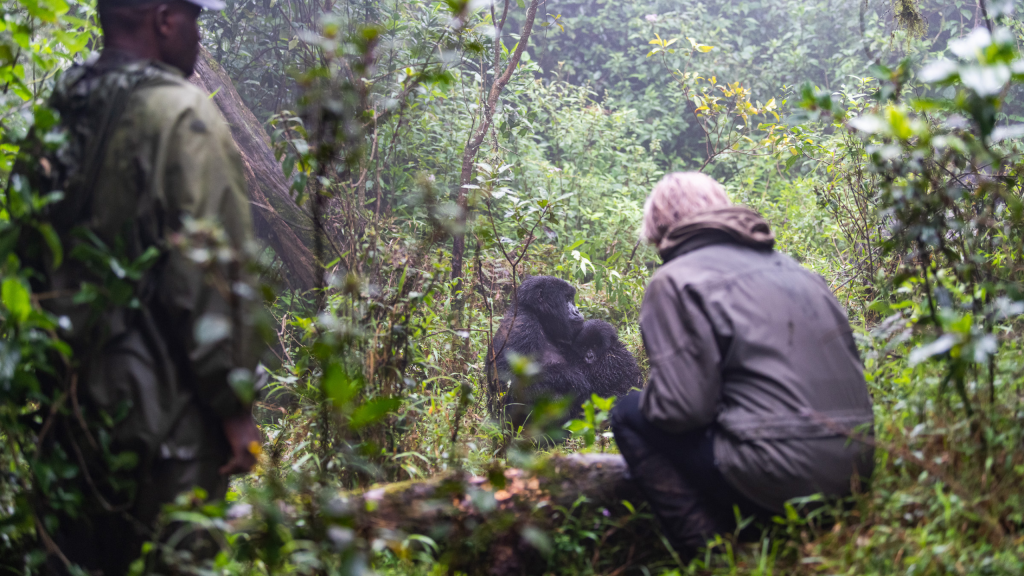
Why Combine Rwanda and Uganda? For many travellers, gorilla trekking begins as a single bucket-list experience. But once you start looking more closely at Rwanda and Uganda, it becomes clear that the journey can offer far more than just one trek through the forest. Combining the two countries creates a trip that feels richer, more varied, and often surprisingly seamless. Rwanda brings ease of travel, polished infrastructure, and important cultural experiences. Kigali is clean, calm, and easy to navigate, making it one of the gentlest introductions to East Africa. It also adds depth to the journey through experiences like the Kigali Genocide Memorial, which offers important context into Rwanda’s history, resilience, and remarkable rebuilding. Uganda, meanwhile, brings a slightly wilder feel. Bwindi Impenetrable Forest feels ancient and deeply atmospheric, and the trekking experience itself can feel more immersive and adventurous. Together, the contrast works exceptionally well. One of the biggest advantages is logistical. Rather than flying into Entebbe and facing the long drive across Uganda to Bwindi, many travellers now choose to arrive in Kigali and cross into southern Uganda by road. It’s a far more manageable journey and allows you to experience both countries naturally within a single itinerary. For those wanting a shorter gorilla-focused trip, a journey from Kigali into Bwindi works beautifully. For travellers wanting a broader primates and conservation experience, Rwanda also combines exceptionally well with golden monkeys, chimpanzee trekking in Nyungwe, and safari experiences in Akagera National Park. Why Do So Many Travellers Fly Into Kigali Instead of Entebbe? This is one of the biggest shifts in gorilla trekking travel over the past few years, and for good reason. Traditionally, many gorilla trekking itineraries began in Entebbe, Uganda, followed by a long drive of roughly 9–10 hours to Bwindi Impenetrable Forest. Today, many travellers choose a different route. By flying into Kigali, Rwanda’s capital, it’s possible to reach the southern side of Bwindi far more comfortably by road, crossing the border into Uganda along the way. For many travellers, this creates a smoother start to the journey and significantly reduces time spent in transit. Rather than beginning the trip with an exhausting full-day drive, travellers can spend time exploring Kigali, visiting the Genocide Memorial, enjoying Rwanda’s café and art scene, and then continue onwards into the forests of Uganda at a more manageable pace. It also opens up more flexibility when planning the journey. Some travellers choose a shorter 4-day Rwanda to Uganda gorilla trekking itinerary focused mainly on Bwindi and Kigali. Others use Kigali as the gateway to a longer primates journey through Rwanda itself, combining Volcanoes National Park, Nyungwe Forest, chimpanzee trekking, and golden monkeys before returning home. For luxury and mid-range travellers especially, the Kigali route often feels more balanced, both logistically and experientially. When Is the Best Time to Visit Rwanda and Uganda? Rwanda and Uganda are both considered strong year-round destinations, but certain months tend to offer more comfortable trekking conditions. The dry seasons, generally from June to September and again from December to February, are often considered the best times for gorilla and chimpanzee trekking. Trails are usually less muddy, forest conditions are easier underfoot, and travel between regions tends to be more straightforward. That said, rainforest weather is never entirely predictable. Even during drier months, short periods of rain are common, especially in forested areas like Bwindi and Nyungwe. The landscapes remain lush throughout the year, which is part of what makes the region so striking. The wetter seasons can also have advantages. The forests are quieter, birdlife is particularly active, and photography can be beautiful with the softer light and vivid green landscapes. Travellers willing to accept muddier trekking conditions sometimes find these months feel more intimate and less busy overall. For travellers combining Rwanda and Uganda, timing often comes down to the kind of experience you want: Because permits and lodge availability can become limited during peak gorilla trekking periods, especially in Rwanda, it’s usually worth planning well in advance. A Journey That Stays With You Gorilla trekking may be the reason many travellers first look at Rwanda and Uganda. But it’s rarely the only thing they remember afterwards. What tends to stay with people is the combination of experiences, moving from Kigali’s layered history to mist-covered forests, from chimpanzee calls echoing through Nyungwe to long hours spent quietly watching gorillas in the wild. It’s a journey shaped as much by atmosphere and contrast as by wildlife itself. When Rwanda and Uganda are combined thoughtfully, the experience feels surprisingly seamless. If you’d like to explore what that kind of journey could look like, you can browse a shorter Rwanda-to-Uganda gorilla trekking itinerary here or a broader Rwanda primates journey here. Curious whether Rwanda & Uganda might be the right fit for your next African journey? Get in Touch