


Pourquoi les meilleurs Safari africains sont prévus 12–18 mois avant
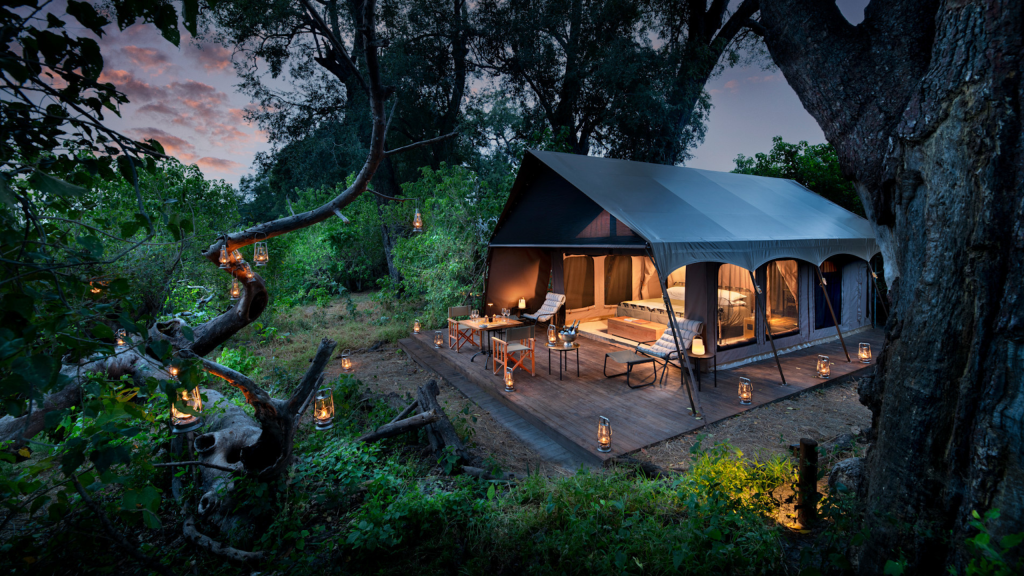
Planifier l'Afrique en 2027 commence maintenant Il y a un rythme calme à la façon dont les grands safaris se réunissent, et il correspond rarement au rythme de la planification quotidienne des voyages. Alors que la plupart des vacances peuvent être réservées quelques mois dehors, les loges, permis et saisons qui rendent l'Afrique extraordinaire ont tendance à travailler sur une horloge plus longue. Pour 2027, cette horloge a déjà commencé à tourner. Pourquoi Juillet est quand l'année prochaine Safari commence vraiment Chaque année, il ya un point où les demandes pour l'année suivante la haute saison commence à atterrir sérieusement, et Juillet tend à être ce moment. C'est quand les camps commencent à libérer des allocations pour l'année à venir, et quand les voyageurs qui ont fait cela avant d'entrer tranquillement en premier. Ce n'est pas urgent pour lui-même. C'est simplement la façon dont l'industrie évolue. D'ici l'an prochain, la saison sèche ou la fenêtre de migration est largement annoncée, les meilleures chambres pour elle sont souvent déjà parties. Les camps que vous voulez seulement avoir quelques chambres Une partie de ce qui rend les meilleurs camps d'Afrique si spécial est aussi ce qui les rend plus difficiles à réserver. Beaucoup des propriétés les plus recherchées, en particulier dans des destinations comme le Botswana, sont intentionnellement petites : une poignée de suites, une poignée de véhicules, une empreinte délibérément intime. C'est l'appel. C'est aussi la contrainte. Les permis de Gorilla et la Grande Migration N'attendez pas Deux d'Afrique La plupart des expériences de seau-list fonctionnent sur leurs propres calendriers stricts. Les permis de trekking de Gorilla sont limités par la conception, avec seulement un petit nombre délivré par jour, par parc, et ils doivent être garantis par un exploitant enregistré bien à l'avance. Laissez-le trop tard et le trek lui-même n'est pas en que
Ebola et voyage en Afrique : ce que les voyageurs ont vraiment besoin de savoir
When Headlines Travel Faster Than Facts Few words capture attention quite like “Ebola.” When news of an Ebola outbreak appears in the headlines, it’s understandable that travellers become concerned. Questions quickly follow: Is it safe to travel to Africa? Should I cancel my trip? Could an outbreak affect my holiday? The challenge is that headlines often travel faster than facts. Africa is an enormous continent made up of 54 countries, thousands of cultures, and landscapes that stretch from deserts and rainforests to coastlines and mountains. Yet news reports can sometimes create the impression that an outbreak in one region affects the entire continent. In reality, Ebola outbreaks are typically localised events that occur in specific areas and are met with rapid public health responses. In many cases, popular tourism destinations are hundreds or even thousands of kilometres away from the affected region and continue operating normally. That doesn’t mean Ebola isn’t serious. It is. But understanding how Ebola outbreaks occur, how the disease is transmitted, and how quickly authorities respond can help travellers separate genuine risk from unnecessary worry. In this guide, we’ll explore what Ebola is, how outbreaks are managed, and what travellers really need to know about Ebola and travel in Africa. What Is Ebola? Ebola is a rare but serious viral disease that was first identified in 1976 near the Ebola River in what is now the Democratic Republic of the Congo. The disease belongs to a group of illnesses known as viral haemorrhagic fevers and can cause symptoms such as fever, fatigue, muscle pain, vomiting, and, in severe cases, internal and external bleeding. Without prompt medical care, Ebola can be life-threatening. Over the past several decades, outbreaks have occurred periodically in parts of Central and East Africa, most commonly in the Democratic Republic of the Congo and Uganda. While these outbreaks often attract significant international attention, they are usually confined to specific regions rather than affecting entire countries or the continent. Importantly for travellers, Ebola is not a new disease. Health authorities, governments and international organisations have decades of experience responding to outbreaks. Today, surveillance systems, rapid response teams, vaccination programmes and cross-border monitoring play a vital role in identifying and containing cases as quickly as possible. Understanding what Ebola is, and isn’t, is the first step towards understanding the actual level of risk for travellers. How Is Ebola Actually Transmitted? One of the biggest misconceptions about Ebola is that it spreads easily from person to person. In reality, Ebola is much harder to contract than many people assume. Ebola is transmitted through direct contact with the blood, bodily fluids, or tissues of a person who is infected and showing symptoms. It can also be spread through contact with contaminated materials such as bedding, clothing or medical equipment that has been exposed to infected bodily fluids. What Ebola does not do is spread through the air like a cold, flu or COVID-19. You cannot catch Ebola simply by being in the same city, staying in the same hotel, sitting on an aeroplane or walking through a national park. For travellers, this distinction is important. Casual contact with people, wildlife viewing on safari, game drives, boat trips and other tourism activities do not create a pathway for Ebola transmission. This is one reason why public health officials are often able to contain outbreaks relatively effectively. Because transmission requires close, direct contact, health authorities can focus on identifying cases, tracing contacts, and isolating those at risk, rather than trying to manage widespread airborne transmission. Understanding how Ebola spreads helps put the risk into perspective. While the disease is serious, it is not highly contagious in the way many people imagine when they first see the headlines. How Often Do Ebola Outbreaks Occur? Ebola outbreaks are relatively uncommon, but because of the disease’s severity, they understandably receive significant international attention when they occur. Since Ebola was first identified in 1976, outbreaks have been recorded periodically in a small number of countries, primarily in Central and East Africa. The Democratic Republic of the Congo has experienced the highest number of outbreaks, while Uganda has also reported several over the years. Much less frequently, outbreaks have occurred elsewhere in the region. What is often overlooked is that most outbreaks remain geographically limited. Rather than spreading across entire countries, they are typically concentrated in specific districts, provinces, or communities. In many cases, daily life and tourism continue normally in other parts of the same country, particularly where significant distances separate outbreak areas from major tourism destinations. Advances in disease surveillance have also improved the speed at which outbreaks are identified. Health authorities are now often able to detect cases earlier than in the past, allowing response measures to begin sooner and reducing the likelihood of wider spread. For travellers, this means that an Ebola outbreak in Africa does not automatically translate into a continent-wide travel concern. Understanding where an outbreak is occurring—and how far it is from your planned itinerary—is often far more important than the headline itself. As with many health-related events, context matters. A localised outbreak in one region of Africa may have little or no impact on a safari in Botswana, a beach holiday in Mozambique, a wine-tasting trip in South Africa, or a gorilla trekking adventure in Uganda outside the affected area. What Happens When an Outbreak Is Detected? When a suspected Ebola case is identified, public health authorities move quickly. Over the past several decades, governments, healthcare workers and international organisations have developed well-established systems for responding to outbreaks and preventing wider transmission. The first priority is confirming the diagnosis and identifying anyone who may have come into close contact with the infected individual. This process, known as contact tracing, is one of the most effective tools for containing Ebola. Health teams work to identify, monitor, and support people who may have been exposed, helping to break potential chains of transmission before they can spread further. Specialised treatment and isolation facilities are also activated where necessary.
Rwanda & Ouganda Gorilla Trekking: Tout ce que vous devez savoir avant de partir
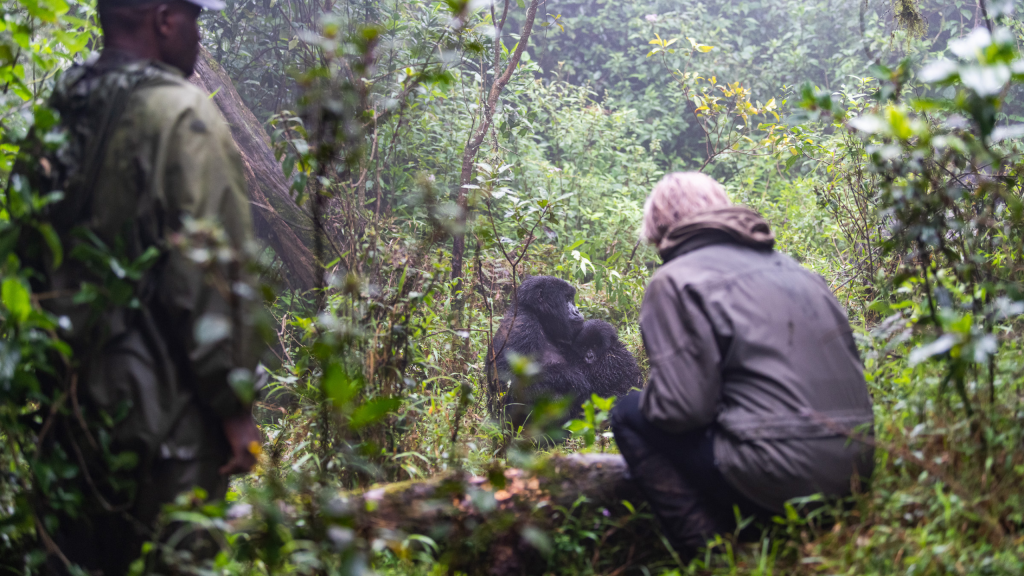
Why Combine Rwanda and Uganda? For many travellers, gorilla trekking begins as a single bucket-list experience. But once you start looking more closely at Rwanda and Uganda, it becomes clear that the journey can offer far more than just one trek through the forest. Combining the two countries creates a trip that feels richer, more varied, and often surprisingly seamless. Rwanda brings ease of travel, polished infrastructure, and important cultural experiences. Kigali is clean, calm, and easy to navigate, making it one of the gentlest introductions to East Africa. It also adds depth to the journey through experiences like the Kigali Genocide Memorial, which offers important context into Rwanda’s history, resilience, and remarkable rebuilding. Uganda, meanwhile, brings a slightly wilder feel. Bwindi Impenetrable Forest feels ancient and deeply atmospheric, and the trekking experience itself can feel more immersive and adventurous. Together, the contrast works exceptionally well. One of the biggest advantages is logistical. Rather than flying into Entebbe and facing the long drive across Uganda to Bwindi, many travellers now choose to arrive in Kigali and cross into southern Uganda by road. It’s a far more manageable journey and allows you to experience both countries naturally within a single itinerary. For those wanting a shorter gorilla-focused trip, a journey from Kigali into Bwindi works beautifully. For travellers wanting a broader primates and conservation experience, Rwanda also combines exceptionally well with golden monkeys, chimpanzee trekking in Nyungwe, and safari experiences in Akagera National Park. Why Do So Many Travellers Fly Into Kigali Instead of Entebbe? This is one of the biggest shifts in gorilla trekking travel over the past few years, and for good reason. Traditionally, many gorilla trekking itineraries began in Entebbe, Uganda, followed by a long drive of roughly 9–10 hours to Bwindi Impenetrable Forest. Today, many travellers choose a different route. By flying into Kigali, Rwanda’s capital, it’s possible to reach the southern side of Bwindi far more comfortably by road, crossing the border into Uganda along the way. For many travellers, this creates a smoother start to the journey and significantly reduces time spent in transit. Rather than beginning the trip with an exhausting full-day drive, travellers can spend time exploring Kigali, visiting the Genocide Memorial, enjoying Rwanda’s café and art scene, and then continue onwards into the forests of Uganda at a more manageable pace. It also opens up more flexibility when planning the journey. Some travellers choose a shorter 4-day Rwanda to Uganda gorilla trekking itinerary focused mainly on Bwindi and Kigali. Others use Kigali as the gateway to a longer primates journey through Rwanda itself, combining Volcanoes National Park, Nyungwe Forest, chimpanzee trekking, and golden monkeys before returning home. For luxury and mid-range travellers especially, the Kigali route often feels more balanced, both logistically and experientially. When Is the Best Time to Visit Rwanda and Uganda? Rwanda and Uganda are both considered strong year-round destinations, but certain months tend to offer more comfortable trekking conditions. The dry seasons, generally from June to September and again from December to February, are often considered the best times for gorilla and chimpanzee trekking. Trails are usually less muddy, forest conditions are easier underfoot, and travel between regions tends to be more straightforward. That said, rainforest weather is never entirely predictable. Even during drier months, short periods of rain are common, especially in forested areas like Bwindi and Nyungwe. The landscapes remain lush throughout the year, which is part of what makes the region so striking. The wetter seasons can also have advantages. The forests are quieter, birdlife is particularly active, and photography can be beautiful with the softer light and vivid green landscapes. Travellers willing to accept muddier trekking conditions sometimes find these months feel more intimate and less busy overall. For travellers combining Rwanda and Uganda, timing often comes down to the kind of experience you want: Because permits and lodge availability can become limited during peak gorilla trekking periods, especially in Rwanda, it’s usually worth planning well in advance. A Journey That Stays With You Gorilla trekking may be the reason many travellers first look at Rwanda and Uganda. But it’s rarely the only thing they remember afterwards. What tends to stay with people is the combination of experiences, moving from Kigali’s layered history to mist-covered forests, from chimpanzee calls echoing through Nyungwe to long hours spent quietly watching gorillas in the wild. It’s a journey shaped as much by atmosphere and contrast as by wildlife itself. When Rwanda and Uganda are combined thoughtfully, the experience feels surprisingly seamless. If you’d like to explore what that kind of journey could look like, you can browse a shorter Rwanda-to-Uganda gorilla trekking itinerary here or a broader Rwanda primates journey here. Curious whether Rwanda & Uganda might be the right fit for your next African journey? Get in Touch
Guide de voyage de Madagascar : tout ce que vous devez savoir avant de partir
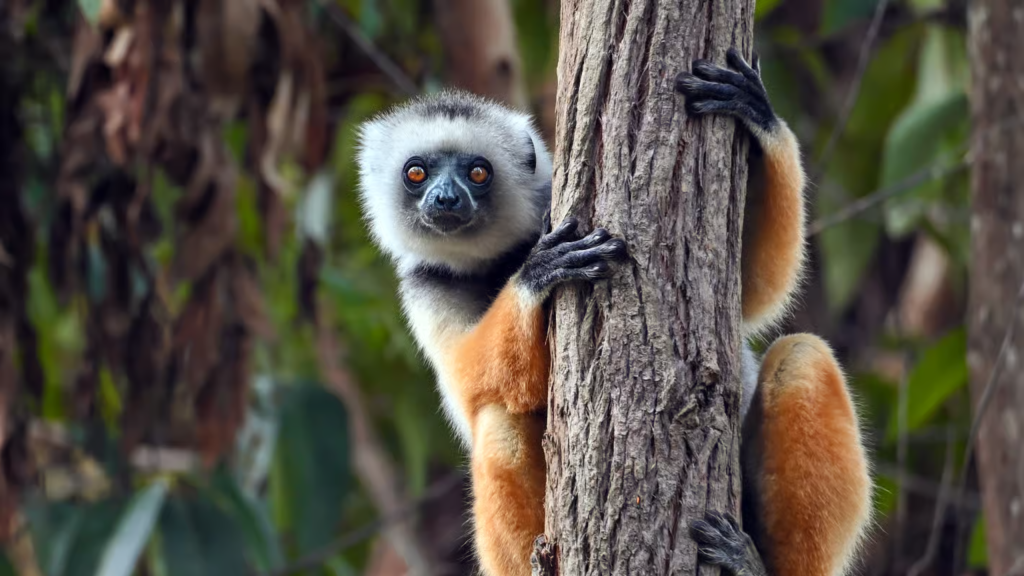
A Different Kind of Africa Madagascar doesn’t feel like anywhere else in Africa. Separated from the mainland for millions of years, it has evolved into something entirely its own. Forests filled with unfamiliar sounds. Wildlife found nowhere else on Earth. Landscapes that shift dramatically over relatively short distances. Despite all of this, it remains one of the least visited destinations in Africa. That’s part of the appeal. For travellers who’ve already experienced a classic safari, Madagascar offers something different. Less polished, more unpredictable, but also more personal and often better value than expected. A typical Madagascar itinerary shows just how varied the experience can be. You might begin in Antananarivo, travel east into the rainforests of Andasibe to see lemurs, then head west to Morondava, where the famous Avenue of the Baobabs lines the horizon, before ending with time by the coast. It’s not a checklist destination. It’s one that reveals itself gradually. Why Travel to Madagascar? What sets Madagascar apart is not just what you see, but how different it feels. Around 90% of its wildlife is endemic. Lemurs are the main draw, but the variety is what stands out, from the large indri to tiny nocturnal species spotted on guided night walks. In places like Andasibe-Mantadia National Park, the forest itself becomes part of the experience, especially at dawn when the indri’s call carries through the canopy. The landscapes are just as distinctive. Rainforest gives way to dry western plains, where ancient baobabs dominate the skyline, before opening out to quiet coastal areas with long beaches and a slower pace. There’s also a noticeable lack of crowds. You’re not competing for sightings or moving in convoy. Experiences tend to feel quieter and more grounded. That said, travel here does require some flexibility. Distances take time, and infrastructure is less developed than in more established safari destinations. For many travellers, that trade-off is part of what makes Madagascar feel real. A common question when planning a Madagascar trip is whether it’s expensive. The answer is more balanced than most expect. While international flights and domestic transfers can be a factor, the overall cost of a Madagascar itinerary is often lower than a comparable East African safari. Accommodation, guiding, and park experiences generally offer strong value, particularly given how unique and uncrowded the destination is. While Madagascar isn’t cheap due to it’s remoteness, iit does offer a different kind of value – the rarity of it’s animals, landscapes and experiences. If you’re wondering about the best time to visit Madagascar, it depends on what you prioritise. Some months consistently offer better overall conditions. May is a quieter time to travel. The landscapes are still green after the rainy season, and there are fewer visitors, which can translate into better value. September and October are among the best months for wildlife and travel conditions. The weather is generally dry, and wildlife sightings improve, making it a strong time for combining rainforest and western regions in one trip. An early September itinerary, for example, works well for exploring Andasibe’s forests before heading to Morondava, where clear skies and good light enhance the experience at the Avenue of the Baobabs. November is warmer and slightly more humid, but often less crowded than peak periods, which can make it an appealing option. There isn’t a single perfect month, but September and October are often the most reliable, while May and November offer quieter alternatives. What a Madagascar Itinerary Could Look Like One of the best ways to understand Madagascar is to see how a journey unfolds across the island. Most trips begin in Antananarivo before heading east to Andasibe, where rainforest walks and close-up wildlife encounters introduce you to the island’s unique ecosystems. From there, a return to the capital connects you to the west coast, where Morondava offers a completely different landscape. Here, the Avenue of the Baobabs becomes a defining moment. The scale, the light, and the quiet atmosphere at sunset give it a presence that’s difficult to capture in photographs. Nearby reserves such as Kirindy add another layer, with different wildlife and terrain to explore. The journey usually ends with time by the coast, allowing the pace to slow before returning home. If you’d like to explore this journey in more detail, you can view the full itinerary here. Highlights You Won’t Find Anywhere Else Madagascar isn’t defined by one standout moment. It’s a series of experiences that build over time. Lemurs are an obvious highlight, but it’s the diversity that stands out. The indri’s call echoing through the forest, the smaller nocturnal species spotted on night walks, and the close encounters in protected reserves all add something different. The Avenue of the Baobabs remains one of the most striking landscapes in Africa. Despite its popularity, it still feels quiet and atmospheric, especially at sunset. Beyond that, it’s the constant contrast. Rainforest to dry plains to coastline, all within a relatively short timeframe. Throughout it all, a sense of space that’s increasingly rare in more established destinations. What to Know Before You Go Madagascar rewards the right mindset. Travel takes time. Roads can be slow, and domestic flights are often the most efficient way to move between regions. Accommodation is comfortable and well chosen for location, though not always highly polished in an international sense. Properties like Mantadia Lodge or beachfront stays near Morondava work because they place you close to the experience. Guides are essential. Much of what you’ll see depends on local knowledge and trained eyes. Above all, it’s a destination that benefits from flexibility. Plans may shift slightly, and the pace is slower than many travellers are used to. For some, that’s a challenge. For others, it’s exactly what makes the experience worthwhile. Who Madagascar Is Best For Madagascar tends to suit travellers who are looking for something different. Those who: It’s not the easiest destination. But for the right traveller, it’s one of the most rewarding. Plan Your Madagascar
Afrique australe en mars, avril et mai : le meilleur secret de Kept pour les voyages de luxe

There’s a quiet shift that happens in Southern Africa as summer softens into autumn. The heat eases, the landscapes deepen into rich greens and golds, and the pace of travel begins to feel more spacious, more considered. It’s a time many travellers overlook, yet for those in the know, March, April and May are among the most rewarding months to visit Southern Africa. While peak safari season often takes the spotlight, this shoulder season offers something more refined. Fewer crowds, greater availability at some of the continent’s most sought-after lodges, and a rare window where bush, beach and city experiences all align beautifully. If you’ve been wondering about the best time to visit Southern Africa, you may find the answer lies in these quieter, golden months. Why March to May is the Best Time to Visit Southern Africa March to May sits gently between the summer rains and the peak dry-season rush. Across much of Southern Africa, the climate settles into an ideal balance: warm, comfortable days, cooler evenings, and far less humidity than the months before. The landscapes, still fresh from the rains, remain lush and vibrant, creating a softer, more photogenic backdrop than the dustier months that follow. At the same time, the pace of travel shifts. Popular destinations feel calmer, lodges more intimate, and experiences more personal. This is also one of the few times of year when multiple regions work seamlessly together. A safari in Botswana or Zimbabwe, a desert journey through Namibia, and a beach escape in Mozambique or along South Africa’s coast can all be combined into a single, beautifully balanced itinerary. For travellers seeking something thoughtful rather than obvious, this is not a compromise season, it’s a considered choice. Mozambique in April and May: A Gentle Return to Beach Season As the rains begin to fade, Mozambique returns to its natural rhythm. April and May bring warm, clear days, lower humidity and calmer seas, creating ideal conditions for a beach escape. Along the Bazaruto Archipelago and mainland coast, the ocean shifts to gentler, clearer conditions, improving visibility for snorkelling and diving. Days are long and unhurried, shaped by tides, sunlight and the simple pleasure of being by the sea. Perhaps the greatest luxury at this time of year is space. With the festive-season crowds long gone, beaches feel wonderfully empty and lodges take on a more private, intimate atmosphere. For those looking for the best time to visit Mozambique, this period offers a perfect balance of beauty, comfort and tranquillity especially when paired with a safari inland. Botswana and Namibia in May: The Insider Safari Window May is one of Southern Africa’s best-kept safari secrets, particularly in Botswana and Namibia. Botswana Safari in May In Botswana, May marks the early dry season. The landscapes are still green from the rains, yet the bush begins to open, making wildlife easier to spot. Temperatures are comfortable, with warm days and cool mornings that suit long game drives. In the Okavango Delta, floodwaters begin their slow arrival, transforming the landscape into a mosaic of channels and islands. Wildlife viewing improves steadily as animals begin to gather around water sources yet without the density of visitors seen later in the year. For those wondering if May a good time to visit Botswana, the answer is yes. It offers a rare combination of beauty, comfort and exclusivity. Namibia in May Weather and Travel Conditions In Namibia, May is widely considered one of the best months to travel. The heat softens, skies are clear, and the air is crisp and dry. From the dunes of Sossusvlei to the wildlife of Etosha, conditions are exceptionally comfortable. The clarity of light makes this a particularly rewarding time for photographers, with strong contrasts and deep blue skies. Together, Botswana and Namibia in May offer a sense of transition – green, fresh and spectacular before peak season begins. Zimbabwe and Zambia: Rivers, Wildlife and Victoria Falls at Their Peak In May, Zimbabwe and Zambia come into their own. At Victoria Falls, the Zambezi is in full flow after the rainy season, creating one of the most dramatic natural spectacles on Earth. The Falls are less about delicate views at this time of year and more about power. The thunder of water and rising mist fills the air. In Hwange National Park, wildlife begins to gather more predictably as the dry season approaches, with large elephant herds and increasing predator activity. Across the river in Zambia, the Lower Zambezi reopens after the rains. The landscape is lush and green, and the river is full, making it ideal for boat safaris, where elephants, hippos and crocodiles shape the rhythm of each day. This region offers a beautifully balanced experience: dramatic landscapes, emerging safari conditions, and the calm flow of life along the Zambezi. South Africa in March: The Perfect Safari and Coast Combination South Africa in March offers one of the most complete travel experiences on the continent. In Cape Town, the peak summer crowds begin to fade, but the weather remains warm and settled. Winds ease, skies stay clear, and the winelands come alive with harvest season. It’s a time for long lunches, coastal drives, and evenings that stretch into golden light. The journey flows naturally along the Garden Route, where forests, lagoons and ocean views create a sense of gentle movement. For safari, the Eastern Cape offers a seamless extension. Malaria-free and easily accessible, reserves around Addo provide excellent wildlife viewing in a relaxed setting. Properties like Gorah Elephant Camp add a sense of quiet luxury to the experience. March is also one of the most appealing times for a honeymoon in Africa. With fewer crowds, warm weather and a natural sense of ease, it creates a journey that feels both celebratory and intimate. How to Combine Safari and Beach in Southern Africa One of the greatest strengths of travelling to Southern Africa in March, April and May is how easily different experiences come together. A safari in
Votre séjour familial au Kenya en février 2027: Visas, conseils en santé et conseils de planification
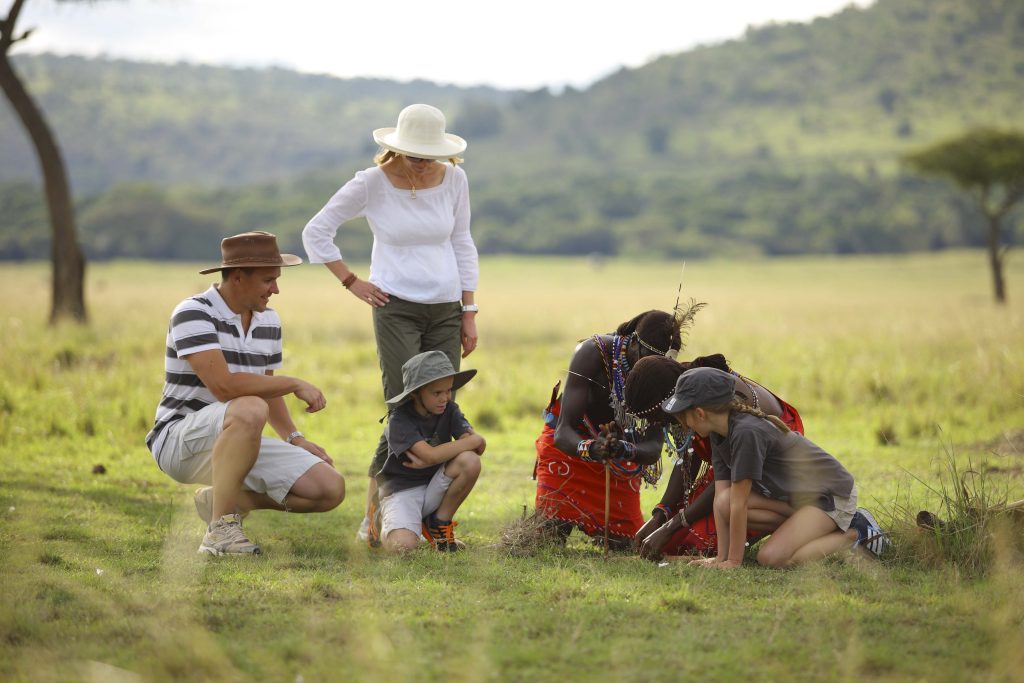
Planning a long haul family holiday takes thought. When that destination is Kenya, questions around safety, health, visas and practical preparation naturally come first. The reassuring reality is that Kenya has been welcoming families on safari for decades. With the right guidance and thoughtful planning, it’s not only safe and manageable, it’s one of the most rewarding family experiences you can choose. If you are considering a Kenya family safari for February 2027, here is what families need to know. Is Kenya Safe for Families? Safety is understandably the first concern for parents. Kenya’s established safari regions such as the Masai Mara, Amboseli, Laikipia and Tsavo operate within well managed tourism structures. Professional guides, regulated lodges and carefully planned transfers create a secure and organised environment. Game drives are supervised. Activities are age appropriate. Many family itineraries include a private vehicle, allowing flexibility around children’s routines and energy levels. February is also a comfortable time to travel. It falls outside peak European summer demand, which means camps feel calmer and more personal. Wildlife viewing is excellent, landscapes are green and the atmosphere is relaxed rather than crowded. When planned properly, Kenya does not feel chaotic. It feels structured, guided and surprisingly easy for families. Health Considerations for Travelling to Kenya with Children Together, let’s ensure that health preparation feels practical and manageable rather than intimidating. Malaria Some safari regions in Kenya are classified as malaria areas. Preventative medication is often recommended for adults and children, depending on age and medical history. Families should consult their doctor or a travel clinic well in advance of departure. In addition, simple precautions such as using mosquito repellent and wearing long sleeves in the evening are highly effective. Safari lodges take prevention seriously, with screened rooms and mosquito nets commonly provided. Yellow Fever For travellers arriving directly from France, yellow fever vaccination is generally not required. However, requirements can apply if you are arriving from or transiting through certain countries. Regulations can change, so it is important to check official guidance before departure. Your travel clinic specialist can also confirm the most current entry requirements. With the right advice and preparation, health considerations are straightforward to manage. Kenya Visa and Electronic Travel Authorisation for Travellers Kenya now requires travellers to obtain an Electronic Travel Authorisation before departure. The application is completed online and approval is usually issued within a few days, although it is wise to apply early. Each traveller, including children, needs their own approved authorisation. Passports must be valid for at least six months from the date of entry. When organised in advance, arrival in Kenya is smooth and efficient. It’s a simple process that becomes even easier with professional guidance during your planning. What to Pack for a Kenya Family Safari in February February is warm, sunny and beautifully green across much of Kenya. Packing is simpler than many families expect. There is no need to overpack. Most safari lodges offer laundry services and dress codes are relaxed. Why February Is an Excellent Time for a Kenya Family Holiday February is often overlooked by travellers who focus automatically on summer holidays. For those families who benefit from a holiday in February, it can be one of the most rewarding times to visit. Wildlife viewing is excellent. In some regions, calving season means young animals are present, creating fascinating sightings for older children. Landscapes are green and photographic conditions are beautiful. Because it falls outside peak European travel periods, lodges feel less crowded and the pace is more relaxed. Guides have time to tailor experiences and families can move at a rhythm that suits them. For those combining safari and beach, coastal conditions are ideal for swimming and relaxation. February 2027 is not simply convenient. It is a smart choice. Planning Your Kenya Family Safari for February 2027 A Kenya family safari is shaped by detail. The choice of guide, the suitability of lodges for your children’s ages, the balance between regions and the pacing of travel all matter. Starting early allows access to the best family friendly camps, private vehicles and carefully designed routing that avoids unnecessary travel time. At Hassle-free Africa, every itinerary is built around your family. Ages, interests and travel style are considered from the start. Whether you are travelling with young children discovering wildlife for the first time or planning a multi generational journey, the experience is tailored to you. If you are considering Kenya for February 2027, now is the right time to begin planning. Let’s start designing your bespoke Kenya family holiday. Get in touch Préparer un voyage au Kenya en 2027 : pourquoi le moment est idéal Préparer des vacances en famille long-courrier demande de la réflexion. Quand la destination est le Kenya, les questions sur la sécurité, la santé, les visas et la préparation pratique arrivent naturellement en premier.La réalité rassurante est que le Kenya accueille des familles en safari depuis des décennies. Avec les bons conseils et une planification réfléchie, ce n’est pas seulement sûr et gérable, c’est l’une des expériences familiales les plus enrichissantes que vous puissiez choisir.Si vous envisagez un safari familial au Kenya pour février 2027, voici ce que les familles françaises doivent savoir. Le Kenya est-il sûr pour les familles ? La sécurité est naturellement la première préoccupation des parents. Les régions de safari établies du Kenya, comme le Masai Mara, Amboseli, La Voici la suite de la traduction : Laikipia et Tsavo, fonctionnent dans des structures touristiques bien encadrées. Des guides professionnels, des lodges réglementés et des transferts soigneusement organisés créent un environnement sûr et structuré. Les safaris en véhicule sont encadrés. Les activités sont adaptées à l’âge des enfants. De nombreux itinéraires familiaux incluent un véhicule privé, ce qui permet de s’adapter au rythme et au niveau d’énergie des enfants. Février est également une période agréable pour voyager. La saison se situe en dehors du pic estival européen, ce qui signifie que les camps sont plus calmes et offrent une atmosphère plus intime. L’observation de
Planifier un voyage au Kenya pour 2027: Pourquoi est-ce le bon moment
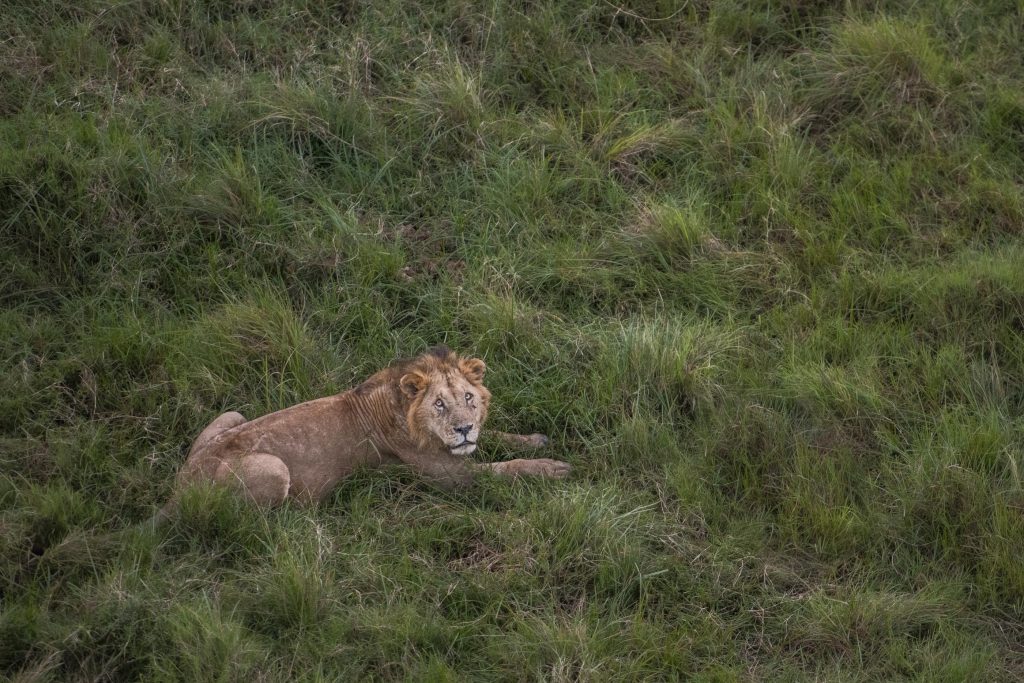
Planning a Kenya trip is rarely a spontaneous decision. For many travellers, especially families and couples seeking something meaningful, Kenya represents a long-imagined journey shaped by timing and thoughtful preparation. If you are considering planning a Kenya trip for February 2027, now is the right time to begin. Not because of urgency or pressure, but because the best Kenya safari experiences are built with care. February is often overlooked, yet it offers one of the most satisfying times to experience Kenya. It is more relaxed and greener, making it ideal for families, slow travellers and those wanting a more authentic safari and beach holiday. Why Planning a Kenya Trip for 2027 Starts Now Kenya is not a destination where availability alone defines the experience. The quality of guides, the suitability of lodges and the flow between regions matter far more. When planning a Kenya trip well in advance, travellers gain access to: Early planning ensures the journey reflects who you are and how you want to travel. Is Kenya a Good Family Destination in February? One of the most common questions we hear is whether February is a good time for a Kenya family safari. In reality, it is one of the most comfortable and rewarding periods for families. February falls outside Kenya’s busiest travel seasons. This creates a calmer atmosphere in safari regions and lodges. Game drives are unhurried, staff have more time to engage and children are welcomed into the experience rather than accommodated as an afterthought. Wildlife viewing remains excellent year-round. In February, resident animals dominate the landscape. Lions, elephants, giraffes, zebras and antelope are seen regularly without the intensity of peak-season crowds. Around Lake Naivasha, families can enjoy boat safaris, walking experiences and prolific birdlife. For families wondering is February a good time to visit Kenya, the answer is yes, particularly if you value connection with a gentler pace. Safari and Beach in One Journey: Kenya’s Natural Advantage Kenya is uniquely positioned for travellers seeking a Kenya safari and beach holiday in one seamless journey. February is an ideal month to combine both without compromise. Safari experiences in places like the Masai Mara and Amboseli National Park remain rich and rewarding. Wildlife is abundant, landscapes are green and the atmosphere is calm. Game drives feel personal rather than competitive. From the savannah, the transition to the Indian Ocean coast is easy. Beaches such as Diani Beach and Watamu offer warm seas, relaxed coastal life and the time and inclination towards relaxation. February brings comfortable temperatures and a quieter rhythm, making it especially appealing for families and couples. This combination creates balance. Adventure followed by rest. Exploration followed by ease. For long-haul travellers, this flow matters. Beyond the Classic Safari: A More Authentic Kenya Experience Many travellers are now looking beyond the classic safari checklist. Kenya is perfectly suited to this shift, especially in February. Conservancy areas and community-run regions offer a more intimate way to experience the country. Walking safaris, conservation projects and cultural encounters create understanding rather than spectacle. These experiences are particularly powerful for families, where learning happens naturally through shared moments. A bespoke Kenya safari itinerary allows travellers to spend longer in fewer places, reducing travel fatigue and increasing connection. February supports this slower style beautifully. Landscapes are fresh, days feel spacious and there is time to engage with both people and places. This is Kenya for travellers who want depth, not volume. Why Booking Early Makes a Real Difference When planning a Kenya safari for families or couples, early booking is not about securing deals. It is about securing the right fit. The most suitable lodges for families, conservation-led properties and experienced guides are limited. Planning early allows: This is where deep local knowledge and logistics expertise matter. Thoughtful planning transforms a good trip into a great one. Planning Kenya With Confidence Planning a Kenya trip for 2027 is an opportunity to design something meaningful and personal. February offers families and thoughtful travellers a quieter, more authentic way to experience the country, combining wildlife, learning, rest and connection. If you are considering planning a Kenya trip for February 2027 and want guidance shaped around your family, interests, and pace, Hassle-free Africa can help create a journey that feels effortless and deeply considered. A well-planned Kenya safari is not rushed. It is remembered. Ready to plan your February 2027 Kenyan Adventure? Get in touch Préparer un voyage au Kenya en 2027 : pourquoi le moment est idéal Préparer un voyage au Kenya est rarement une décision spontanée. Pour de nombreux voyageurs, en particulier les familles et les couples en quête de sens, le Kenya représente un projet longuement imaginé, façonné par le bon timing et une préparation réfléchie. Si vous envisagez de planifier un voyage au Kenya pour février 2027, c’est le moment idéal pour commencer. Non par urgence ou par pression, mais parce que les plus belles expériences de safari au Kenya se construisent avec soin. Le mois de février est souvent négligé, alors qu’il offre l’une des périodes les plus agréables pour découvrir le pays. L’atmosphère est plus détendue et les paysages plus verts, ce qui en fait une option idéale pour les familles, les voyageurs lents et ceux qui recherchent une expérience safari et balnéaire plus authentique. Pourquoi la préparation d’un voyage au Kenya pour 2027 commence dès maintenant Le Kenya n’est pas une destination où la simple disponibilité définit l’expérience. La qualité des guides, l’adéquation des lodges et la fluidité entre les régions comptent bien davantage. Planifier un voyage au Kenya longtemps à l’avance permet aux voyageurs d’accéder à : Une préparation anticipée garantit que le voyage reflète qui vous êtes et la manière dont vous souhaitez voyager. Le Kenya est-il une bonne destination familiale en février ? L’une des questions les plus fréquentes concerne l’intérêt de février pour un safari familial au Kenya. En réalité, c’est l’une des périodes les plus confortables et gratifiantes pour voyager en famille. Février se situe en dehors des saisons touristiques les