Quand les titres voyagent plus vite que les faits
Peu de mots attirent l'attention comme "Ebola".
Quand des nouvelles d'une épidémie d'Ebola apparaissent dans les titres, il est compréhensible que les voyageurs deviennent concernés. Les questions suivent rapidement : Est-ce sûr de voyager en Afrique ? Devrais-je annuler mon voyage ? Une épidémie pourrait-elle affecter mes vacances ?
Le défi est que les titres voyagent souvent plus vite que les faits.
L'Afrique est un continent immense composé de 54 pays, de milliers de cultures et de paysages qui vont des déserts et des forêts tropicales aux côtes et aux montagnes. Pourtant, les reportages peuvent parfois donner l'impression qu'une épidémie dans une région touche tout le continent.
En réalité, les épidémies d'Ebola sont généralement des événements localisés qui se produisent dans des régions précises et qui font l'objet d'interventions rapides en santé publique. Dans de nombreux cas, les destinations touristiques populaires se trouvent à des centaines, voire à des milliers de kilomètres de la région touchée et continuent de fonctionner normalement.
Ça ne veut pas dire qu'Ebola n'est pas grave. Oui. Mais comprendre comment les épidémies d'Ebola se produisent, comment la maladie est transmise et à quelle vitesse les autorités réagissent peut aider les voyageurs à séparer les risques réels des soucis inutiles.
Dans ce guide, nous allons explorer ce qu'est Ebola, comment les épidémies sont gérées, et ce que les voyageurs ont vraiment besoin de savoir sur Ebola et les voyages en Afrique.
Qu'est-ce qu'Ebola?
Ebola est une maladie virale rare mais grave qui a été identifiée pour la première fois en 1976 près du fleuve Ebola dans ce qui est aujourd'hui la République démocratique du Congo.
La maladie appartient à un groupe de maladies connues sous le nom de fièvres hémorragiques virales et peut causer des symptômes tels que fièvre, fatigue, douleurs musculaires, vomissements et, dans les cas graves, saignements internes et externes. Sans soins médicaux rapides, Ebola peut menacer la vie.
Au cours des dernières décennies, des épidémies se sont produites périodiquement dans certaines parties de l'Afrique centrale et orientale, le plus souvent en République démocratique du Congo et en Ouganda. Bien que ces épidémies attirent souvent une attention internationale importante, elles se limitent généralement à des régions spécifiques plutôt qu'à des pays entiers ou au continent.
Fait important pour les voyageurs, Ebola n'est pas une nouvelle maladie. Les autorités sanitaires, les gouvernements et les organisations internationales ont des décennies d'expérience dans la lutte contre les épidémies. Aujourd'hui, les systèmes de surveillance, les équipes d'intervention rapide, les programmes de vaccination et la surveillance transfrontalière jouent un rôle essentiel dans l'identification et la rétention des cas le plus rapidement possible.
Comprendre ce qu'est Ebola, et n'est pas, est la première étape vers la compréhension du niveau réel de risque pour les voyageurs.
Comment Ebola est-il réellement transmis?
L'une des idées les plus fausses à propos d'Ebola est qu'elle se propage facilement d'une personne à l'autre. En réalité, Ebola est beaucoup plus difficile à contracter que de nombreuses personnes ne le pensent.
Ebola est transmis par contact direct avec le sang, les liquides corporels ou les tissus d'une personne infectée et présentant des symptômes. Elle peut aussi être transmise par contact avec des matériaux contaminés tels que la literie, les vêtements ou l'équipement médical qui ont été exposés à des fluides corporels infectés.
Ce qu'Ebola ne fait pas, c'est se propager dans l'air comme un rhume, une grippe ou un COVID-19. Vous ne pouvez pas attraper Ebola simplement en étant dans la même ville, en séjournant dans le même hôtel, assis sur un avion ou en marchant dans un parc national.
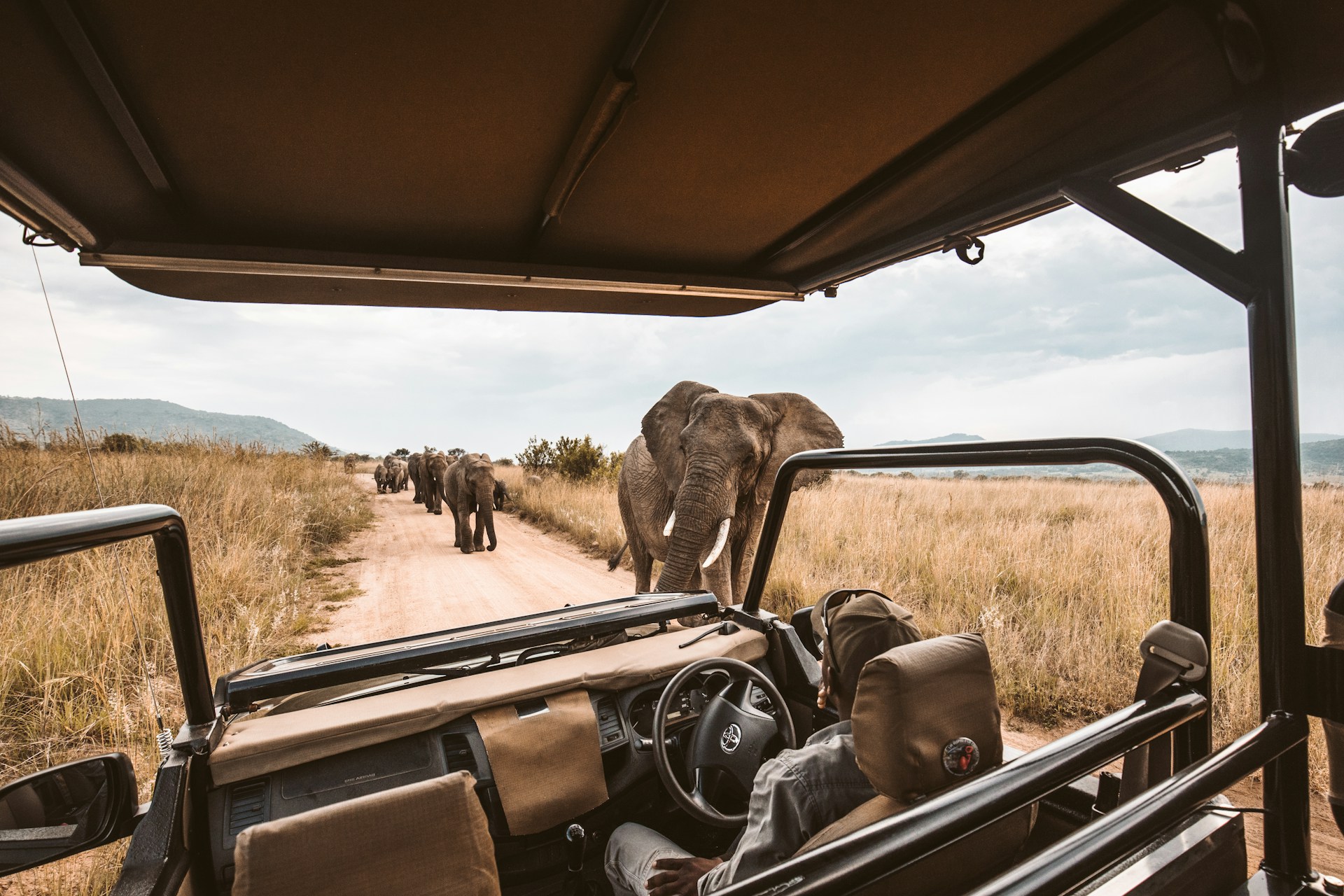
Pour les voyageurs, cette distinction est importante. Le contact occasionnel avec les gens, l'observation de la faune sur les safari, les jeux, les excursions en bateau et d'autres activités touristiques ne créent pas de voie de transmission d'Ebola.
C'est une des raisons pour lesquelles les responsables de la santé publique sont souvent en mesure de contenir les éclosions relativement efficacement. Comme la transmission nécessite des contacts étroits et directs, les autorités sanitaires peuvent se concentrer sur l'identification des cas, la recherche des contacts et l'isolement des personnes à risque, plutôt que d'essayer de gérer la transmission aérienne généralisée.
Comprendre comment la propagation d'Ebola contribue à mettre le risque en perspective. Bien que la maladie soit grave, elle n'est pas très contagieuse comme beaucoup de gens l'imaginent quand ils voient les gros titres.
Quelle est la fréquence des épidémies d'Ebola?
Les épidémies d'Ebola sont relativement rares, mais en raison de la gravité de la maladie, elles reçoivent une attention internationale importante lorsqu'elles surviennent.
Depuis l'identification d'Ebola pour la première fois en 1976, des épidémies ont été signalées périodiquement dans un petit nombre de pays, principalement en Afrique centrale et orientale. La République démocratique du Congo a connu le plus grand nombre d ' épidémies, tandis que l ' Ouganda en a signalé plusieurs au fil des ans. Bien moins fréquemment, des éclosions se sont produites ailleurs dans la région.
Ce qui est souvent négligé, c'est que la plupart des éclosions demeurent géographiquement limitées. Plutôt que de s'étendre à des pays entiers, ils sont généralement concentrés dans des districts, des provinces ou des communautés spécifiques. Dans de nombreux cas, la vie quotidienne et le tourisme se poursuivent normalement dans d'autres parties du même pays, en particulier lorsque des distances importantes séparent les zones d'éclosion des principales destinations touristiques.
Les progrès de la surveillance des maladies ont également amélioré la vitesse à laquelle les éclosions sont identifiées. Les autorités sanitaires sont désormais souvent en mesure de détecter les cas plus tôt que par le passé, ce qui permet de commencer plus tôt les mesures de riposte et de réduire la probabilité d'une propagation plus large.
Pour les voyageurs, cela signifie qu'une épidémie d'Ebola en Afrique ne se traduit pas automatiquement en une préoccupation de voyage à l'échelle du continent. Comprendre où se produit une éclosion—et combien il est loin de votre itinéraire prévu—est souvent beaucoup plus important que le titre lui-même.
Comme pour de nombreux événements liés à la santé, le contexte compte. Une épidémie localisée dans une région d'Afrique peut avoir peu ou pas d'impact sur un safari au Botswana, des vacances sur la plage au Mozambique, un voyage de dégustation de vin en Afrique du Sud, ou une aventure de trekking en Ouganda en dehors de la zone touchée.
Qu'arrive - t - il lorsqu'une éclosion est détectée?
Lorsqu'un cas présumé d'Ebola est identifié, les autorités de santé publique se déplacent rapidement. Au cours des dernières décennies, les gouvernements, les travailleurs de la santé et les organisations internationales ont mis au point des systèmes bien établis pour réagir aux épidémies et prévenir une transmission plus large.
La première priorité est de confirmer le diagnostic et d'identifier toute personne qui a pu entrer en contact étroit avec la personne infectée. Ce processus, connu sous le nom de recherche des contacts, est l'un des outils les plus efficaces pour contenir Ebola. Les équipes de santé s'efforcent d'identifier, de surveiller et de soutenir les personnes qui ont pu être exposées, ce qui aide à briser les chaînes potentielles de transmission avant qu'elles puissent se propager davantage.
Des installations spécialisées de traitement et d'isolement sont également activées si nécessaire. Comme Ebola se propage par contact direct avec les fluides corporels, l'isolement des personnes infectées réduit considérablement le risque de transmission ultérieure.
Ces dernières années, les programmes de vaccination sont devenus une autre partie importante de la réponse. Des stratégies de vaccination ciblées peuvent être déployées autour des cas confirmés et de leurs contacts, aidant à contenir les éclosions plus rapidement que par le passé.
Le soutien international suit souvent rapidement. Des organisations telles que l'Organisation mondiale de la santé travaillent en étroite collaboration avec les gouvernements nationaux, les fournisseurs de soins de santé et les partenaires régionaux pour fournir des compétences, des équipements, des formations et des ressources supplémentaires, au besoin.
L'éducation communautaire joue également un rôle vital. Les équipes sanitaires locales travaillent directement avec les collectivités pour fournir des renseignements exacts sur les symptômes, la prévention et les mesures à prendre si l'on soupçonne une exposition. Cela permet de réduire la peur, de lutter contre la désinformation et d'encourager le signalement précoce des cas potentiels.
Le résultat est un système de réponse beaucoup plus fort et plus expérimenté qu'il y a des décennies. Alors que chaque épidémie présente ses propres défis, les autorités sanitaires disposent désormais d'un cahier de lecture bien testé pour détecter, surveiller et contenir le plus rapidement possible Ebola.
Contrôles aux frontières, contrôle et mesures relatives aux voyages
L'une des raisons pour lesquelles les épidémies d'Ebola sont souvent maîtrisées est la rapidité avec laquelle des mesures de santé liées aux voyages peuvent être introduites au besoin.
Lorsqu'une éclosion est détectée, les gouvernements et les autorités de santé publique évaluent soigneusement la situation et mettent en œuvre des mesures adaptées au niveau de risque. Il peut s'agir d'un contrôle sanitaire amélioré dans les aéroports, d'une surveillance aux postes frontaliers, de campagnes d'information sur les voyageurs et d'une surveillance accrue dans les régions voisines.
Fait important, ces mesures sont généralement très ciblées. Plutôt que de traiter tout un pays – ou continent – comme une seule zone à risque, les autorités sanitaires se concentrent sur les endroits précis où se produit la transmission. Cela permet d'orienter les ressources là où elles sont le plus nécessaires tout en minimisant les perturbations inutiles dans les voyages et le tourisme ailleurs.
La coopération régionale joue également un rôle important. Les pays travaillent souvent ensemble pour échanger des informations, coordonner les procédures de dépistage et surveiller les mouvements transfrontaliers lorsque des épidémies surviennent près des frontières internationales.
Les voyageurs peuvent également signaler des mises à jour des avis de voyage officiels à mesure que la situation évolue. Ces avis sont conçus pour fournir des conseils pratiques fondés sur les renseignements les plus récents et sont régulièrement examinés par les autorités sanitaires et gouvernementales.
Le point clé est que les épidémies d'Ebola ne se produisent pas isolément du système de santé publique en général. Au moment où la plupart des voyageurs entendent parler d'une épidémie, les autorités sanitaires locales et internationales travaillent souvent ensemble pour surveiller la situation, tracer les contacts et mettre en œuvre des mesures de contrôle appropriées.
Pour les voyageurs, cela signifie qu'il y a plusieurs niveaux de surveillance et d'intervention en place bien avant qu'un itinéraire régulier de vacances ou de safari ne soit affecté.
Pourquoi la plupart des Safaris et des Vacances ne sont pas touchés
L'un des plus grands défis pour signaler les épidémies d'Ebola est que la géographie se perd souvent dans les gros titres.
L'Afrique est le deuxième continent mondial, couvrant plus de 30 millions de kilomètres carrés et couvrant 54 pays. Pourtant, les reportages peuvent parfois donner l'impression qu'une épidémie dans une région affecte les voyages sur tout le continent.
En réalité, beaucoup de destinations touristiques les plus populaires d'Afrique sont souvent situées loin des régions où des épidémies se produisent. Une épidémie dans un district de l'Ouganda ou de la République démocratique du Congo, par exemple, peut se produire à des centaines, voire des milliers de kilomètres de destinations telles que le Cap, le delta d'Okavango, les déserts de Namibie, les chutes Victoria, Zanzibar ou les régions safari du Kenya.
Ce n'est pas différent de la façon dont les voyageurs pourraient voir d'autres parties du monde. Un événement sanitaire localisé dans une partie de l'Europe n'affecterait pas nécessairement les voyages sur l'ensemble du continent. Le même principe s'applique en Afrique.
Les opérateurs touristiques, les loges, les compagnies aériennes, les gouvernements et les autorités sanitaires suivent également de près l'évolution de la situation. Si une éclosion a le potentiel d'affecter une région touristique particulière, les voyageurs sont habituellement informés bien à l'avance par des avis officiels et des partenaires de voyage de confiance.
Pour la plupart des voyageurs, une épidémie d'Ebola n'entraîne pas l'annulation de safaris, la fermeture de parcs nationaux ou une perturbation générale des déplacements. Plus souvent, les vacances se poursuivent exactement comme prévu, en particulier lorsque les itinéraires sont situés loin des zones touchées.
C'est pourquoi il est si important de comprendre l'emplacement et l'ampleur d'une éclosion. La question est rarement posée. "Y a-t-il une épidémie d'Ebola en Afrique?" mais plutôt, "Où cela se produit-il et a-t-il un rapport avec mon itinéraire?“
Dans de nombreux cas, la réponse est non.
Que devraient faire les voyageurs?
La meilleure approche à toute préoccupation liée aux voyages liés à la santé est de rester informé par des sources fiables et d'éviter de prendre des décisions basées uniquement sur les titres.
- Si vous prévoyez un voyage en Afrique, consultez les derniers conseils de voyage de votre ministère des Affaires étrangères et faites attention aux mises à jour d'organismes de santé réputés. Ces sources fournissent des informations basées sur les conditions actuelles plutôt que sur la spéculation.
- Voyager avec un voyagiste expérimenté peut aussi faire une différence importante. Des spécialistes réputés des voyages suivent de près l'évolution de la situation, entretiennent des relations avec les partenaires locaux et peuvent fournir des conseils si les circonstances changent.
- Il vaut également la peine de se rappeler que les mêmes précautions raisonnables qui s'appliquent aux voyages n'importe où dans le monde s'appliquent ici aussi: maintenir de bonnes pratiques d'hygiène, suivre les conseils locaux, et s'assurer que vous avez une assurance de voyage appropriée avant le départ.
- Surtout, tenez Ebola en perspective. Bien que les épidémies attirent l'attention, le risque réel pour les touristes reste extrêmement faible, en particulier pour ceux qui voyagent sur des itinéraires organisés qui sont loin des zones touchées.
Les bonnes décisions de voyage sont basées sur de bonnes informations. Comprendre les faits vous permet d'évaluer le risque de manière réaliste et de profiter de votre voyage en toute confiance.
Foire aux questions sur Ebola et les voyages en Afrique
Les touristes peuvent-ils attraper Ebola sur safari?
Le risque est extrêmement faible. Ebola se propage par contact direct avec le sang, les liquides corporels ou les tissus d'une personne infectée qui présente des symptômes. Les activités telles que les jeux, l'observation de la faune, la marche des safaris et le séjour dans des pavillons de safari ne créent pas de voie pour la transmission d'Ebola.
Ebola est-il en suspension ?
C'est pas vrai. Contrairement à des maladies comme la grippe ou la COVID-19, Ebola ne se propage pas dans l'air. Vous ne pouvez pas contracter Ebola simplement en étant près de quelqu'un, en partageant un espace public ou en voyageant sur un avion.
Les vols sont-ils arrêtés pendant les épidémies d'Ebola?
Pas d'habitude. Les autorités sanitaires mettent généralement en œuvre des mesures ciblées en fonction de l'emplacement et de l'ampleur d'une éclosion. Le dépistage, la surveillance et les contrôles de la santé publique sont généralement préférables à l'arrêt généralisé des déplacements.
Dois-je annuler mon voyage en cas d'épidémie d'Ebola en Afrique?
Pas nécessairement. La réponse dépend de l'endroit où l'éclosion se produit et de la façon dont elle se rapporte à votre itinéraire. De nombreuses destinations touristiques sont situées loin des régions touchées et continuent à fonctionner normalement. Il est toujours préférable de demander conseil à des professionnels de voyage de confiance et des sources officielles du gouvernement avant de prendre une décision.
Quels pays ont connu des épidémies d'Ebola?
Historiquement, la plupart des épidémies d'Ebola se sont produites en Afrique centrale et orientale, en particulier en République démocratique du Congo et en Ouganda. Les éclosions ont généralement été localisées et gérées par des interventions coordonnées en matière de santé publique.
L'Afrique est-elle en sécurité lors d'une épidémie d'Ebola?
Dans bien des cas, oui. L'Afrique est un vaste continent, et les épidémies sont souvent limitées à des régions spécifiques. La compréhension de l'emplacement d'une épidémie, plutôt que de se concentrer sur l'ensemble du continent, est essentielle pour évaluer tout impact potentiel sur les plans de voyage.
L'image plus grande
Un voyage responsable commence par de bonnes informations.
Ebola est une maladie grave, et les épidémies méritent d'être prises au sérieux. En même temps, il est important de reconnaître que les titres ne racontent pas toujours toute l'histoire. La plupart des foyers sont localisés, les interventions de santé publique sont mobilisées rapidement, et la grande majorité des destinations touristiques africaines continuent à fonctionner normalement.
La compréhension de la façon dont Ebola est transmis, de la façon dont les éclosions sont gérées et de la façon dont les mesures de voyage sont mises en œuvre permet aux voyageurs d'évaluer le risque de façon réaliste plutôt que émotionnelle. Il contribue également à mettre en perspective l'ampleur et la diversité de l'Afrique – un continent de 54 pays, d'innombrables cultures, et certaines des expériences de voyage les plus extraordinaires du monde.
Chez Hassle-free Africa, nous croyons que les voyageurs informés font confiance aux voyageurs. C'est pourquoi nous suivons de près les développements à travers le continent et travaillons avec des partenaires de confiance sur le terrain pour nous assurer que nos clients reçoivent des conseils précis et à jour.
Que vous rêviez d'un trekking au gorille en Ouganda, d'un safari au Botswana, des plages du Mozambique ou des vignobles d'Afrique du Sud, les meilleures décisions de voyage sont prises avec contexte, perspective et conseils d'experts.
Parce que lorsque les faits mènent la conversation, le voyage devient beaucoup moins intimidant – et beaucoup plus inspirant.
Veuillez noter que les informations contenues dans cet article sont fournies à titre de guide général et ne visent pas à remplacer les conseils médicaux professionnels. Si vous prévoyez un voyage en Afrique, nous vous encourageons à vous entretenir avec votre médecin ou une clinique de voyage locale pour obtenir les conseils de santé les plus à jour, les vaccinations et les recommandations de voyage spécifiques à votre itinéraire.